
Eye health often gets ignored until something goes wrong. Yet, over two million people in the UK are living with sight loss severe enough to affect daily life. Most would think vision problems only strike in old age. Actually, one in five will deal with sight loss at some point. The real surprise is just how much simple daily choices—like wearing UV-protective sunglasses or eating the right foods—can change your eye health for the better.
Table of Contents
Quick Summary
| Takeaway | Explanation |
|---|---|
| Daily Eye Protection is Essential | Incorporate simple daily strategies such as wearing UV protective sunglasses and adhering to the 20-20-20 rule to combat digital eye strain. |
| Nutrition Plays a Key Role | Consume foods rich in omega-3 fatty acids, vitamins A, C, and E, and zinc to support retinal health and prevent age-related decline. |
| Schedule Regular Eye Exams | Attend comprehensive eye examinations annually, or more frequently if at higher risk, to detect potential problems early and maintain overall health. |
| Recognise the Broader Impact of Vision Loss | Over two million people in the UK are affected by significant sight loss, emphasising the necessity of eye care across all demographics and age groups. |
| Proactive Strategies are Universal | Implement proactive measures such as protective eyewear, balanced nutrition, and prompt consultations for vision changes to enhance eye health for everyone. |
Keep Your Eyes Healthy Daily
Protecting your vision requires consistent daily practices that go beyond occasional check-ups. Daily eye health isn’t just about preventing problems—it’s about maintaining optimal visual performance and overall wellbeing.
Simple Daily Vision Protection Strategies
Your eyes interact with numerous environmental factors every day, making proactive care essential. According to the Royal National Institute of Blind People, 250 people in the UK begin losing sight daily—a stark reminder of why consistent eye care matters.
Start with fundamental protective measures. Wear sunglasses with UV protection when outdoors, even on cloudy days. These shield your eyes from harmful ultraviolet rays that can contribute to cataracts and macular degeneration. Indoor strategies are equally crucial—adjust screen brightness, maintain proper lighting, and follow the 20-20-20 rule: every 20 minutes, look 20 feet away for 20 seconds to reduce digital eye strain.
Nutrition and Lifestyle for Eye Health
What you consume directly impacts your eye health. Incorporate foods rich in omega-3 fatty acids, vitamins A, C, and E, and zinc. Think colourful vegetables, fatty fish, nuts, and citrus fruits. These nutrients support retinal health and can help prevent age-related vision decline.

Physical activity also plays a significant role. Regular exercise improves blood circulation, which benefits your eyes by delivering essential nutrients and oxygen. Research from the Royal College of Ophthalmologists predicts increases in conditions like glaucoma and macular degeneration, highlighting the importance of preventative lifestyle choices.
Professional Monitoring and Personal Vigilance
While daily practices are vital, professional eye examinations remain irreplaceable. Schedule comprehensive eye checks annually, or more frequently if you have existing conditions or are over 40. These examinations can detect early signs of potential issues before they become serious problems.
Be attentive to your body’s signals. Persistent eye strain, sudden vision changes, frequent headaches, or difficulty focusing warrant immediate professional consultation. These could indicate underlying conditions that require prompt attention.
Remember, why eye health matters extends far beyond clear vision. It’s about maintaining your quality of life, independence, and ability to engage fully with the world around you. Consistent, mindful daily practices are your strongest defence against potential vision challenges.
Your eyes are remarkable organs that work tirelessly. Treating them with daily respect through protection, nutrition, and professional care ensures they continue serving you effectively throughout your lifetime.
Schedule Regular Eye Exams Now
Regular eye examinations are not merely a recommended healthcare practice—they are a critical preventative measure for maintaining comprehensive visual health and detecting potential issues before they become serious problems.
Understanding Examination Frequency and Importance
Eye health experts recommend different examination schedules based on age, health conditions, and risk factors. According to the College of Optometrists, children under seven years require more frequent assessments, particularly if they have binocular vision anomalies or corrected refractive errors.
For adults, the standard recommendation is a comprehensive eye examination every two years. However, this frequency can change depending on individual health circumstances. People with diabetes, hypertension, or a family history of eye diseases might need more frequent check-ups. These examinations are not just about measuring visual acuity—they’re comprehensive health screenings that can reveal early signs of systemic health conditions.
What to Expect During a Comprehensive Eye Exam
A thorough eye examination goes far beyond simple vision testing. Contact lens specialists emphasise that annual examinations are crucial, even for those with seemingly perfect vision. During these assessments, optometrists typically conduct multiple evaluations:
- Visual Acuity Test: Measures how clearly you see at various distances
- Refraction Assessment: Determines your precise lens prescription
- Ocular Health Screening: Checks for signs of eye diseases like glaucoma, cataracts, and macular degeneration
- Retinal Examination: Uses advanced imaging to assess the back of your eye
These comprehensive screenings can detect early warning signs of not just eye conditions, but also broader health issues like diabetes, high blood pressure, and even certain cancers.
Special Considerations for Different Demographics
Certain groups require more specialised and frequent eye care. Contact lens wearers need annual professional assessments to ensure proper lens fit and eye health. Individuals over 40 should consider more frequent examinations due to increased risk of age-related vision changes.
People with chronic health conditions like diabetes or those with a family history of eye diseases should consult their healthcare provider about a personalised eye examination schedule. These targeted approaches can help prevent vision loss and manage potential health risks more effectively.
Remember, why eye health matters extends beyond simple vision correction. These examinations are your first line of defence in maintaining not just your eyesight, but your overall health and quality of life. Proactive screening can identify potential issues early, allowing for timely intervention and management.
Your eyes are complex, intricate systems that provide your primary interface with the world. Treating them with professional, regular care is an investment in your long-term health and wellbeing.
Eye Health Matters for Everyone
Eye health is a universal concern that transcends age, lifestyle, and background. Understanding the broader implications of vision care is crucial for maintaining overall well-being and quality of life.
The Widespread Impact of Vision Loss
The statistics surrounding eye health are both startling and motivating. According to the Royal National Institute of Blind People, more than two million people in the UK are currently living with sight loss severe enough to significantly impact their daily lives. Even more concerning, this number is projected to double to over four million by 2050.
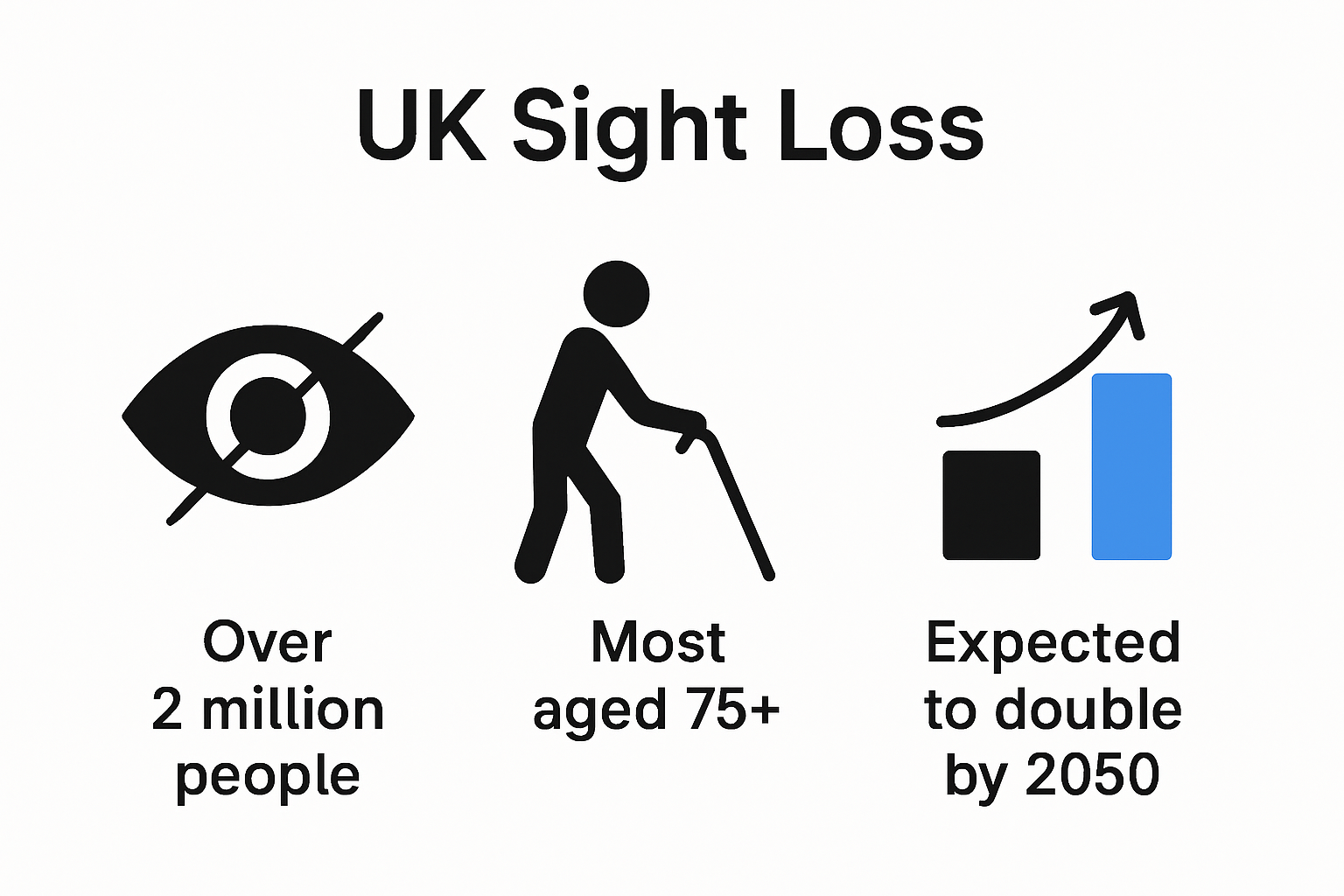
Contrary to common misconception, vision challenges are not exclusively an elderly concern. Research indicates that one in five people will experience sight loss during their lifetime. While approximately 80% of people with sight loss are aged 65 or older, eye health risks exist across all age groups. Young professionals, children, athletes, and seniors all need tailored eye care strategies.
Demographic-Specific Eye Health Considerations
Research from the Royal College of Ophthalmologists reveals alarming trends in eye disease prevalence. The data suggests significant increases in various eye conditions:
- Age-Related Macular Degeneration: Predicted 24.4% increase
- Primary Open-Angle Glaucoma: Expected 15.9% rise
- Vision-Impairing Cataracts: Projected 16.7% growth
These projections underscore why eye health matters for everyone, regardless of current vision status. Each demographic faces unique challenges that require targeted approaches to eye care.
Proactive Approaches to Universal Eye Health
Understanding eye health as a universal need means recognising that prevention and early intervention are key. Different life stages and occupations present varying eye health risks. Digital workers face screen-related strain, children develop vision problems that can impact learning, and athletes require specific protective measures.
Key universal strategies include:
- Regular comprehensive eye examinations
- Protective eyewear in high-risk environments
- Balanced nutrition supporting eye health
- Awareness of family eye health history
- Prompt investigation of vision changes
Why eye health matters extends beyond individual experience. It impacts personal independence, professional performance, mental health, and overall quality of life. Vision is not just about seeing clearly—it’s about experiencing the world fully and maintaining personal autonomy.
Every individual, regardless of age or current vision status, plays a crucial role in maintaining eye health. By understanding risks, taking preventative measures, and seeking professional guidance, we can collectively work towards reducing vision loss and promoting comprehensive eye wellness.
Frequently Asked Questions
What daily habits can improve my eye health?
Incorporate simple habits such as wearing UV-protective sunglasses, adhering to the 20-20-20 rule (look 20 feet away for 20 seconds every 20 minutes of screen time), and maintaining proper lighting when using screens to reduce strain.
How often should I schedule an eye exam?
Adults should have a comprehensive eye examination every two years, but those with health conditions like diabetes or a family history of eye diseases should schedule more frequent checks as advised by their optometrist.
What role does diet play in eye health?
A balanced diet rich in omega-3 fatty acids, vitamins A, C, and E, and zinc is vital for eye health. Consuming colourful vegetables, fatty fish, nuts, and citrus fruits can help support retinal health and prevent age-related decline.
Why is eye health important for everyone, not just the elderly?
Vision loss can affect anyone at any age. Although older individuals are at higher risk, one in five people will experience sight loss in their lifetime, making it essential for all demographics to prioritise eye health.
Prioritise Your Eye Health with Northern Optical Company
Your eye health is not just about seeing clearly; it’s an essential part of your overall wellbeing. With more than two million people in the UK experiencing sight loss, proactive care is a necessity. Simple daily choices—like wearing UV-protective sunglasses and eating nutrient-rich foods—can make a significant difference. But what happens when you need expert advice or specialised services? That’s where we come in.
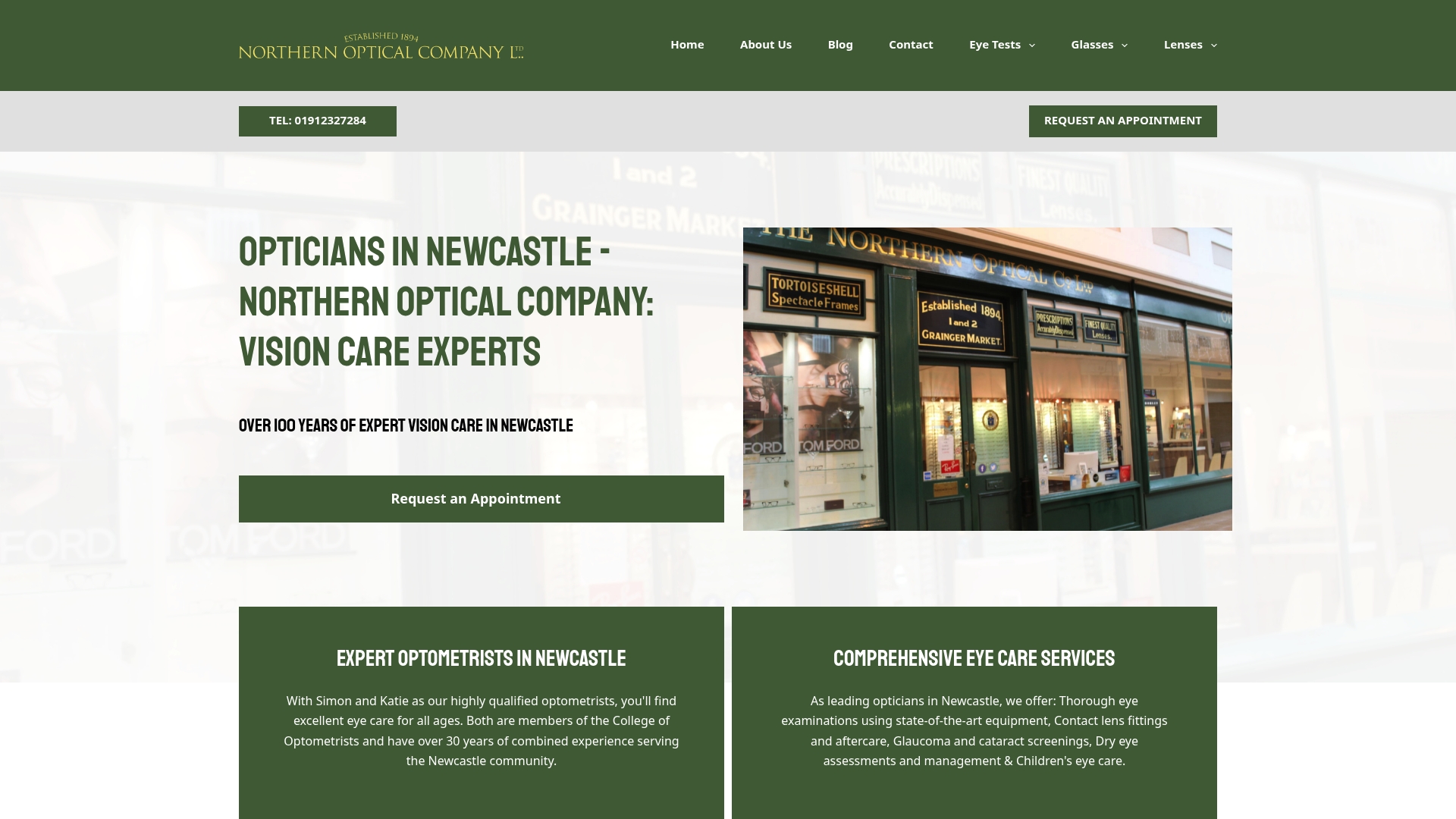
At Northern Optical Company, we are dedicated to safeguarding your vision with comprehensive services tailored to your needs. Whether you require a thorough eye exam, advanced screenings using the latest technology, or home visit tests, our experienced optometrists are here to ensure you maintain optimal eye health. Don’t wait for vision problems to arise—take action now! Schedule your eye examination with us today and experience the personalised, high-quality care that has earned us a trusted place in the Newcastle community. Visit northernopticalcompany.com to book an appointment and take the first step towards protecting your sight!