
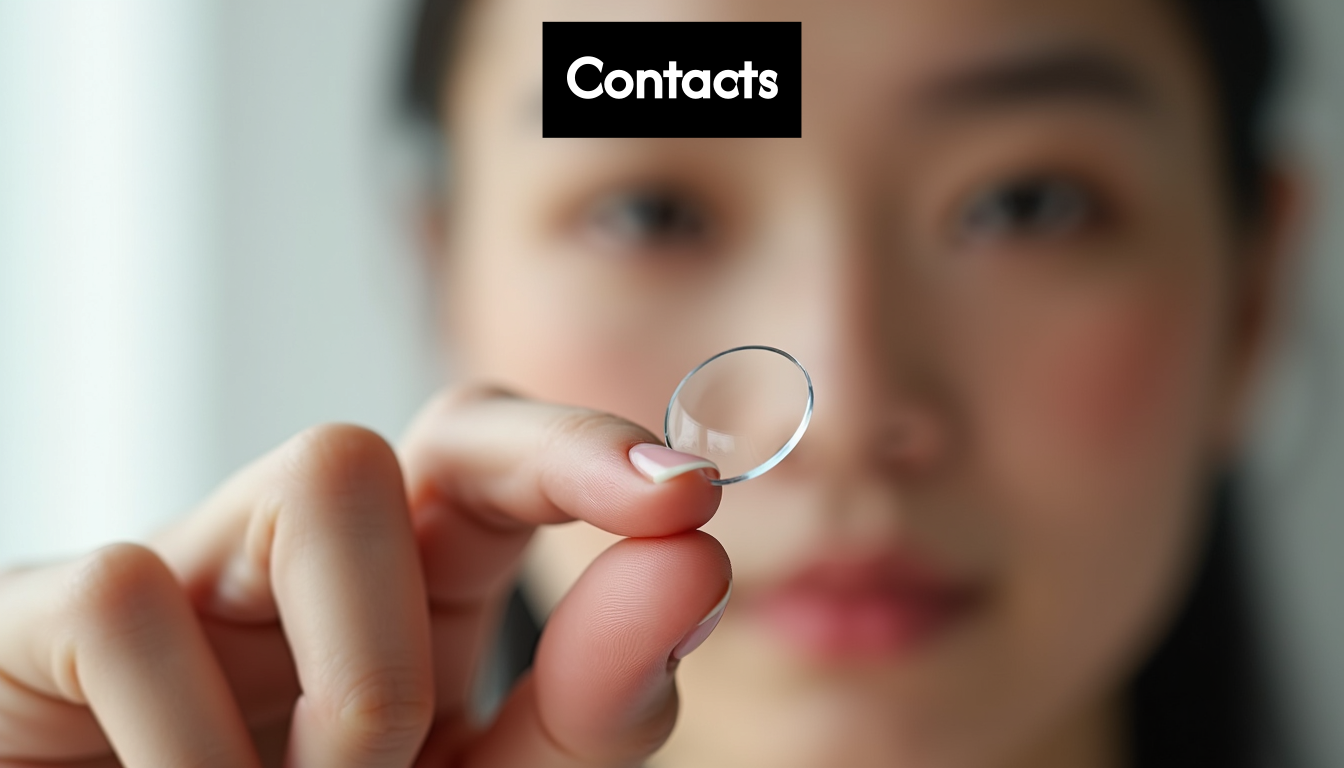
Contact lenses have transformed the way we address vision issues, offering a modern solution that caters to diverse needs. Did you know that the UK contact lens market is projected to reach US$ 766.9 million by 2030, a clear sign of their increasing popularity? But here’s where it gets intriguing: many people still think of them as merely a substitute for glasses. The truth is, contact lenses provide not only impressive visual enhancement but also significant health benefits, shaping a new era of eye care.
Table of Contents
- Understand How Contact Lenses Correct Vision
- Exploring Different Types Of Contact Lenses
- Soft Vs. Rigid Contact Lenses Explained
- Daily And Extended Wear Options
- Benefits Of Using Contact Lenses
Quick Summary
| Takeaway | Explanation |
|---|---|
| Understanding Contact Lenses | Contact lenses are designed to correct vision by directly interacting with the eye’s natural focusing mechanism, offering precise optical correction for conditions like myopia, hyperopia, and astigmatism. |
| Types of Lenses | There are various types of contact lenses including soft lenses, rigid gas permeable (RGP) lenses, and specialized options like multifocal and scleral lenses, catering to diverse vision correction needs and lifestyles.  |
| Daily vs. Extended Wear | Daily disposable lenses provide convenience and hygiene for users, while extended wear options allow for continuous use but require careful monitoring by eye care professionals. |
| Health Benefits | Multifocal contact lenses can slow the progression of myopia, and advancements such as DigitalBoost™ Technology address modern visual stresses, enhancing eye comfort. |
| Aesthetic and Psychological Impact | Contact lenses offer aesthetic advantages, improving self-confidence and allowing for unrestricted facial expressions, making them ideal for active lifestyles and professional environments. |
Understand How Contact Lenses Correct Vision
Contact lenses are sophisticated optical devices designed to provide precise vision correction by working directly with the eye’s natural focusing mechanism. Unlike traditional eyeglasses, these tiny medical devices sit directly on the cornea, offering a more intimate and dynamic approach to addressing visual impairments.
The Optical Principles of Vision Correction
At their core, contact lenses function by redirecting light rays to ensure they converge precisely on the retina, creating a clear and focused image. When an individual experiences refractive errors like myopia (nearsightedness), hyperopia (farsightedness), or astigmatism, the eye struggles to focus light accurately. Research from the British Journal of Ophthalmology confirms that contact lenses correct these vision challenges by providing refractive correction directly at the corneal surface.
The lens material and shape are meticulously engineered to compensate for specific optical irregularities. For individuals with myopia, the contact lens is thinner in the center and thicker at the edges, which helps diverge light rays to achieve proper focus. Conversely, for hyperopia, the lens design is thicker in the center to converge light rays more effectively.
Adaptive Vision Correction Mechanisms
One remarkable feature of contact lenses is their ability to move synchronously with the eye. Unlike spectacles, which remain stationary, contact lenses are in constant motion with each eye movement. This dynamic interaction ensures consistent vision correction across all gaze angles, providing a more natural visual experience.
Multifocal contact lens designs represent an advanced solution for individuals with complex vision needs. These sophisticated lenses can simultaneously focus light for both near and distance vision. Clinical studies indicate that while these lenses offer versatile vision correction, they may produce slight decreases in visual acuity and contrast sensitivity, particularly at oblique viewing angles.
Material and Design Innovations
Modern contact lenses are crafted from advanced materials like silicone hydrogel, which allows significant oxygen transmission to maintain corneal health. The geometric properties of these lenses are precisely tailored to individual optical requirements, ensuring optimal vision correction.
Traditional contact lenses primarily address refractive errors through intelligent design. University College London research highlights how these medical devices alter light convergence using sophisticated material properties, transforming how individuals with vision impairments experience the world around them.
By understanding the intricate mechanisms of how contact lenses work, users can appreciate the remarkable technology that enables clear, comfortable vision correction tailored to their unique optical needs.
Exploring Different Types of Contact Lenses
Contact lenses have evolved significantly, offering diverse solutions for various vision correction needs and lifestyle requirements. Understanding the range of available options helps individuals select the most suitable lens type for their specific optical and personal preferences.
Soft Contact Lens Categories
Soft contact lenses represent the most popular and versatile category in the contemporary eyewear market. These lenses are categorised into several subcategories based on replacement frequency and wearing schedule. Market research from Grand View Research indicates the UK contact lens market is experiencing robust growth, expected to reach US$ 766.9 million by 2030.
Daily disposable lenses offer maximum hygiene and convenience, designed for single-use before being discarded. Weekly and monthly disposable lenses provide a more economical alternative, requiring regular cleaning and storage. Extended-wear soft lenses enable continuous wear, even during sleep, though they demand careful monitoring to prevent potential eye health complications.
Specialized and Advanced Lens Technologies
Beyond traditional soft lenses, several specialized contact lens technologies cater to complex vision correction needs. Rigid gas permeable (RGP) lenses provide exceptional optical clarity and are particularly effective for individuals with astigmatism or irregular corneal surfaces. Scleral lenses, which vault over the entire corneal surface, offer remarkable comfort for patients with severe dry eye syndrome or unique corneal geometries.
Multifocal contact lenses represent an innovative solution for presbyopia, enabling simultaneous near and distance vision correction. These sophisticated lenses incorporate multiple prescription zones within a single lens, allowing seamless visual transitions. Specialist research also highlights emerging smart contact lens technologies targeting medical applications, such as intraocular pressure monitoring for glaucoma management.
Emerging Technological Frontiers
The contact lens landscape continues to evolve with groundbreaking technological innovations. Orthokeratology lenses, worn overnight, temporarily reshape the cornea to provide daytime vision correction without surgical intervention. These specialized lenses are particularly appealing for individuals seeking non-permanent vision modification.
Smart contact lens developments are pushing boundaries beyond traditional vision correction. Researchers are exploring lenses with embedded sensors for health monitoring, potentially revolutionising how we approach ocular and systemic health management. Global health projections suggest that technologies addressing conditions like glaucoma could impact approximately 111 million people worldwide by 2040.
Choosing the right contact lens involves careful consideration of individual vision requirements, lifestyle factors, and personal comfort preferences. Consulting with an eye care professional remains the most effective approach to navigating the complex and exciting world of modern contact lens technologies.
Soft Vs. Rigid Contact Lenses Explained
Contact lens technology offers two primary lens categories: soft and rigid gas permeable (RGP) lenses. Understanding their distinctive characteristics helps individuals make informed decisions about vision correction that best suits their optical needs and lifestyle preferences.
Soft Contact Lens Characteristics
Soft contact lenses dominate the market, accounting for an overwhelming majority of lens prescriptions in the United Kingdom. Recent industry data reveals that soft lenses constitute 98% of new fittings and 92% of refittings, highlighting their widespread popularity and patient preference.
These lenses are crafted from flexible, water-containing materials like silicone hydrogel, which provide exceptional comfort and rapid adaptation. Scientific projections suggest that silicone hydrogel soft lenses will dominate approximately 90% of soft lens prescriptions by 2050, primarily due to their high oxygen transmissibility that virtually eliminates hypoxia-related eye complications.
Rigid Gas Permeable (RGP) Lens Advantages
Rigid gas permeable lenses, while less prevalent, offer unique benefits for specific vision correction scenarios. Clinical research indicates that RGP lenses are particularly effective for patients with corneal irregularities, providing more stable vision correction compared to soft lenses.
Unlike soft lenses, RGP lenses maintain a more consistent shape on the eye, which can result in sharper visual acuity. They are especially beneficial for individuals with astigmatism, keratoconus, or those requiring precise optical correction. Although they require a longer adaptation period, RGP lenses typically offer superior durability and longer-lasting performance.
Comparative Performance And Selection Considerations
Choosing between soft and rigid contact lenses depends on multiple factors including individual eye anatomy, vision correction requirements, lifestyle, and personal comfort preferences. Soft lenses excel in immediate comfort and ease of use, making them ideal for most everyday wearers. RGP lenses, while initially less comfortable, provide exceptional optical clarity for complex vision correction needs.
Factors such as lens material, oxygen permeability, wearing schedule, and potential eye health considerations play crucial roles in determining the most appropriate lens type. Professional eye care consultation remains essential in navigating these complex choices, ensuring optimal vision correction and ocular health.
Modern contact lens technologies continue to evolve, bridging the performance gaps between soft and rigid lens categories. Patients now have more options than ever to achieve comfortable, precise vision correction tailored to their unique optical requirements.
Daily And Extended Wear Options
Contact lens wear options have diversified significantly, offering users unprecedented flexibility in vision correction strategies. Understanding the nuanced differences between daily and extended wear options enables individuals to select the most appropriate lens type for their lifestyle and optical requirements.
Daily Disposable Lens Revolution
Recent research demonstrates a remarkable transformation in contact lens prescribing trends, with daily disposable lens usage growing from 17.1% in 2000 to an impressive 46.7% in 2023. This substantial increase reflects growing awareness of the significant health and convenience benefits associated with single-use lenses.
Daily disposable lenses offer multiple advantages, including minimal lens care maintenance, reduced risk of eye infections, and superior hygiene. By eliminating the need for cleaning and storing lenses, these innovative options dramatically reduce the potential for contamination. Clinical studies confirm that daily disposables lower corneal infiltrative events and other ocular complications compared to traditional reusable soft lenses.
Extended And Continuous Wear Innovations
Extended wear contact lenses represent a revolutionary approach for individuals seeking maximum wearing convenience. Market projections indicate substantial growth in extended and continuous wear lens options between 2025 and 2033, driven by technological advancements and consumer demand for seamless vision correction.
Continuous wear lenses are designed to be worn continuously for extended periods, including overnight, without removal. These specialized lenses are crafted from advanced materials with exceptional oxygen permeability, minimizing the risk of corneal oxygen deprivation. However, they require careful professional monitoring and are not suitable for all users, necessitating thorough consultation with eye care professionals.
Selecting The Optimal Wear Option
Choosing between daily disposable and extended wear options involves carefully considering individual lifestyle, occupation, eye health, and personal comfort preferences. Factors such as work environment, sleep patterns, physical activities, and pre-existing eye conditions play crucial roles in determining the most appropriate lens wear strategy.
Daily disposable lenses are particularly recommended for individuals with:
- Occasional or part-time contact lens wear
- Active lifestyles
- Sensitivity to lens care solutions
- Higher risk of eye infections
Extended wear lenses might suit individuals who:
- Require consistent, uninterrupted vision correction
- Have demanding schedules preventing frequent lens removal
- Demonstrate stable eye health
- Receive regular professional eye examinations
Ultimately, consultation with an eye care professional remains paramount in navigating these complex choices. Professional guidance ensures not just optimal vision correction, but also long-term ocular health and comfort.
Benefits Of Using Contact Lenses
Contact lenses represent more than just a vision correction tool; they offer a transformative approach to personal visual experience, combining sophisticated technology with lifestyle enhancement. Understanding the comprehensive benefits of contact lenses reveals why millions of individuals worldwide choose this innovative optical solution.
Visual Performance And Lifestyle Advantages
Market research from Grand View Research indicates the UK contact lens market is experiencing substantial growth, projected to expand at a 7.4% compound annual rate through 2030. This surge reflects the significant lifestyle benefits contact lenses provide beyond traditional spectacle wear.
Contact lenses offer unparalleled visual freedom, providing a wider, more natural field of vision compared to eyeglasses. They move synchronously with eye movements, eliminating peripheral distortions and offering superior visual clarity during dynamic activities like sports, driving, and outdoor pursuits. For individuals engaged in active lifestyles or professional environments requiring precise visual perception, contact lenses deliver an uncompromised visual experience.
Health And Technological Innovation
Scientific studies reveal groundbreaking health benefits, particularly in children’s vision management. Multifocal contact lenses have demonstrated remarkable capabilities in not just correcting myopic vision but also significantly slowing myopia progression. These findings suggest contact lenses can play a proactive role in long-term eye health management.
Advanced contact lens technologies now address contemporary visual challenges. Recent research highlights innovations like DigitalBoost™ Technology, specifically designed to alleviate eye strain for digital device users. These specialized lenses provide measurable improvements in visual comfort for individuals spending extended periods on screens, representing a targeted solution to modern visual stress.
Aesthetic And Psychological Benefits
Beyond functional advantages, contact lenses offer significant aesthetic and psychological benefits. They provide users with enhanced self-confidence by eliminating the physical constraints of eyeglasses. For individuals conscious about their appearance or those participating in activities where glasses might be impractical, contact lenses offer a seamless, invisible vision correction method.
The emotional impact of contact lenses extends beyond cosmetic considerations. They enable unrestricted facial expressions, eliminate fog-related vision issues, and allow for more natural interactions in social and professional settings. Athletes, performers, and individuals in visually demanding professions particularly appreciate the unobtrusive nature of contact lens correction.
While contact lenses offer numerous advantages, individual suitability varies. Professional consultation remains crucial in determining the most appropriate vision correction strategy. By understanding the comprehensive benefits and consulting eye care professionals, individuals can make informed decisions about integrating contact lenses into their vision management approach.
Frequently Asked Questions
What are the main types of contact lenses?
Contact lenses mainly fall into two categories: soft lenses and rigid gas permeable (RGP) lenses. Soft lenses are popular for their comfort and ease of use, while RGP lenses provide sharper vision and are often used for more complex vision correction needs.
How do contact lenses correct vision?
Contact lenses correct vision by directly interacting with the eye’s natural focusing mechanism. They redirect light rays so that they converge correctly on the retina, addressing refractive errors such as myopia, hyperopia, and astigmatism.
What are the benefits of using contact lenses?
Contact lenses provide numerous benefits, including enhanced visual performance, improved comfort during physical activities, aesthetic advantages, and specific health benefits like slowing the progression of myopia in children.
How often should I replace my contact lenses?
The replacement frequency for contact lenses depends on the type you are using. Daily disposable lenses are designed for single use, while weekly and monthly lenses require regular cleaning and should be replaced according to the prescribed schedule for optimal eye health.
Discover Your Perfect Vision Solution with Northern Optical Company
As you explore the fascinating world of contact lenses and their incredible benefits, it’s essential to remember that not all lenses are created equal. From enhancing visual clarity to improving comfort during daily activities, choosing the right contact lens is a crucial step in ensuring eye health and overall satisfaction. Here’s where we come in!
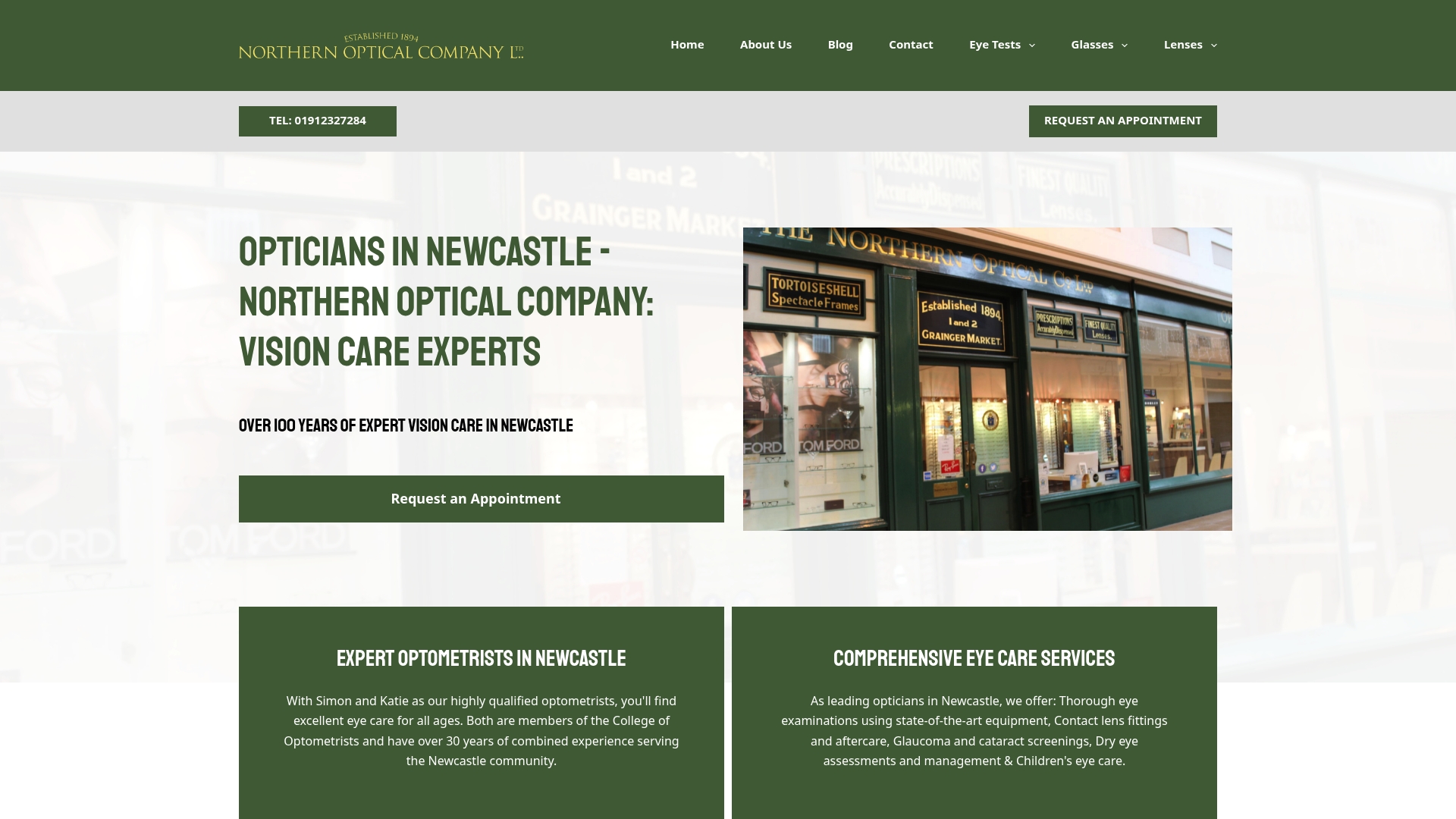
At Northern Optical Company, we understand the nuances outlined in the article, such as the importance of selecting the perfect lens type—whether it be daily disposables for convenience or advanced multifocal options for dynamic vision needs. Our team of experienced optometrists is here to guide you through every decision, ensuring your specific lifestyle, eye health, and stylish preferences are met.
Don’t wait! Visit us today to book your comprehensive eye examination or consultation, and experience the difference that personal, community-driven care can make. Get started on your journey to clearer vision by visiting https://northernopticalcompany.com now, and see the world with fresh eyes!