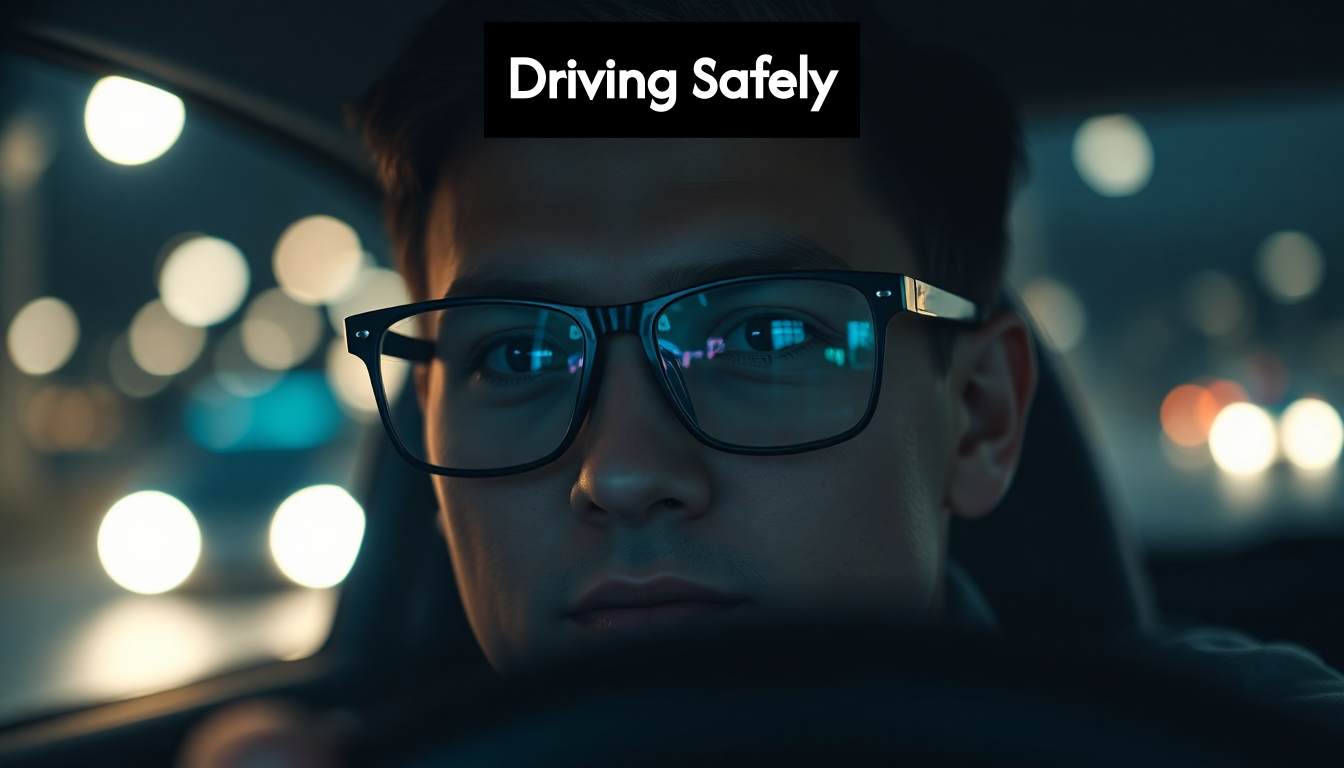
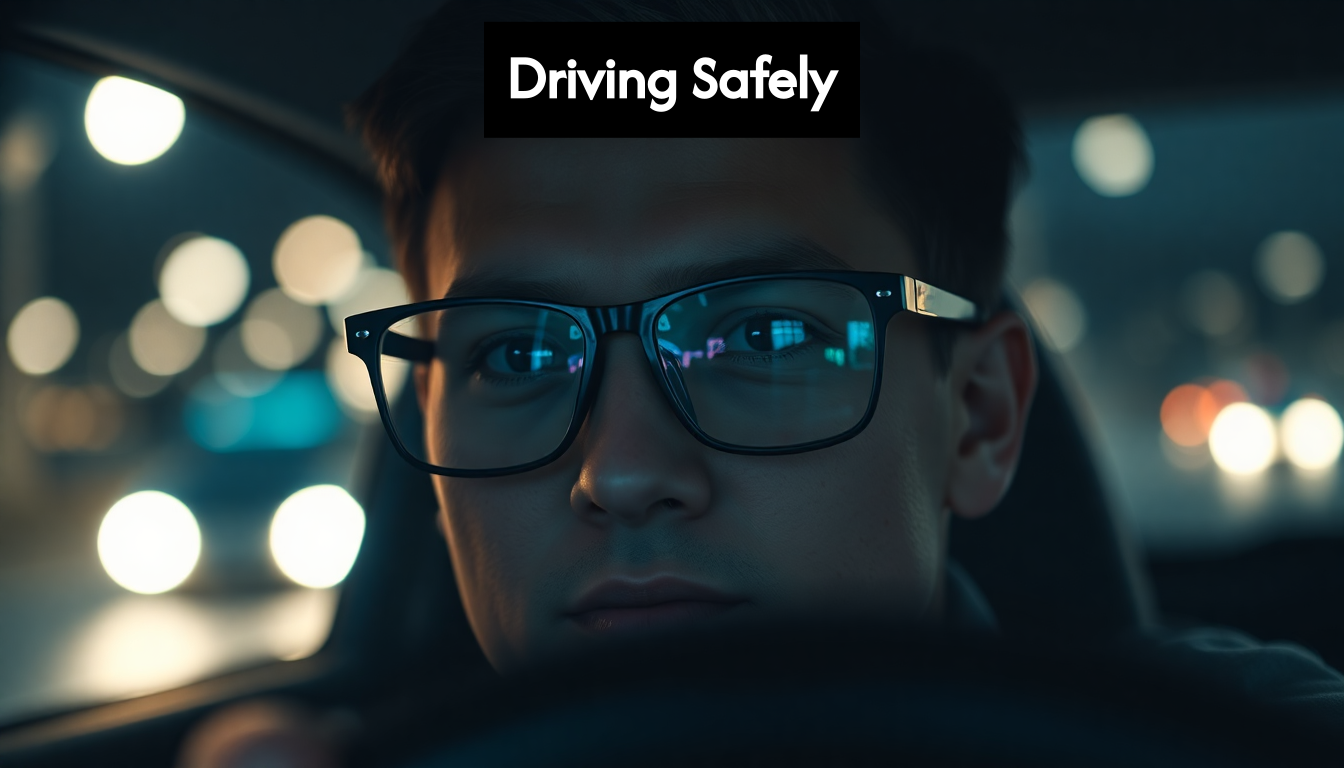
Choosing the right lenses for driving can drastically enhance your safety on the road. Studies show that around 61.5% of drivers who wear glasses opt for progressive lenses, yet nearly 39.4% still struggle with visual challenges while driving. But here’s the catch: many drivers underestimate the importance of lens colour and coating. The truth is, not all lenses equip you for optimal visibility behind the wheel. With innovations like anti-reflective coatings and polarised options, you can ensure your vision is crystal clear, making every journey safer and more enjoyable.
Table of Contents
- Best Colours For Driving Lenses
- Polarised Vs Non-Polarised Lenses
- Progressive Lenses For Driving Explained
- Anti-Reflective Coating Benefits
Quick Summary
| Takeaway | Explanation |
|---|---|
| Neutral Tints are Best for Driving | Grey and brown lens tints are recommended for driving as they provide balanced colour perception and improve contrast, enhancing safety on the road. |
| Avoid Blue and Dark Tints | Blue-tinted lenses can impair recognition of traffic lights, while dark lenses can significantly reduce visibility, especially in low-light conditions, making them unsuitable for driving. |
| Consider Polarised Lenses for Glare Reduction | Polarised lenses can enhance visual comfort and clarity by reducing glare from reflective surfaces, but should not be used for night driving due to limited light transmission. |
| Select Progressive Lenses Designed for Driving | Progressive lenses tailored for driving can improve focus transitions between different distances, thus enhancing safety by minimising the need for head movement to see clearly. |
| Invest in Anti-Reflective Coatings | Anti-reflective coatings improve visual clarity by reducing distracting reflections and enhancing performance during night driving, thus supporting better focus and reaction times. |
Best Colours for Driving Lenses
Choosing the right lens colour is crucial for safe and comfortable driving. The colour of your driving lenses can significantly impact visual clarity, contrast, and overall driving performance. Understanding the nuanced benefits of different lens tints can help drivers make informed decisions about their eyewear.
Neutral Tints: The Optimal Driving Choice
Grey and brown lens tints emerge as the top recommendations for driving lenses. According to the College of Optometrists, these colours provide the most balanced and neutral colour perception critical for road safety. Grey lenses offer a particularly exceptional option, maintaining true colour representation while reducing overall brightness and glare.
Brown lenses provide an additional advantage by enhancing contrast, especially in varying light conditions. They help drivers distinguish road details more effectively, making them particularly useful during dawn, dusk, and overcast weather. The subtle depth provided by brown tints can improve depth perception and visual sharpness.
Avoiding Problematic Lens Colours
Not all lens colours are suitable for driving. Zeiss Vision Care specifically warns against blue-tinted lenses, which can dangerously impair traffic light recognition. Blue filters can distort colour signals, potentially creating dangerous situations where traffic light colours become difficult to distinguish quickly.
Additionally, extremely dark lenses pose significant risks. The College of Optometrists recommends that sunglass filters with a luminous transmittance below 75% should never be used for driving, especially during low-light conditions like twilight or night. These darker tints reduce critical visual information needed for safe navigation.
Advanced Lens Considerations for Drivers
Beyond basic colour selection, modern driving lenses offer advanced features. Polarised lenses with neutral tints can dramatically reduce glare from wet roads, windscreens, and other reflective surfaces. Photochromic lenses that automatically adjust to light conditions provide another innovative solution for drivers who encounter changing light environments.
Drivers with specific visual needs should consult optometry professionals to select lenses tailored to their individual requirements. Factors like age, existing vision conditions, and typical driving environments can influence the most appropriate lens colour and technology. A personalised approach ensures maximum visual comfort and safety on the road.
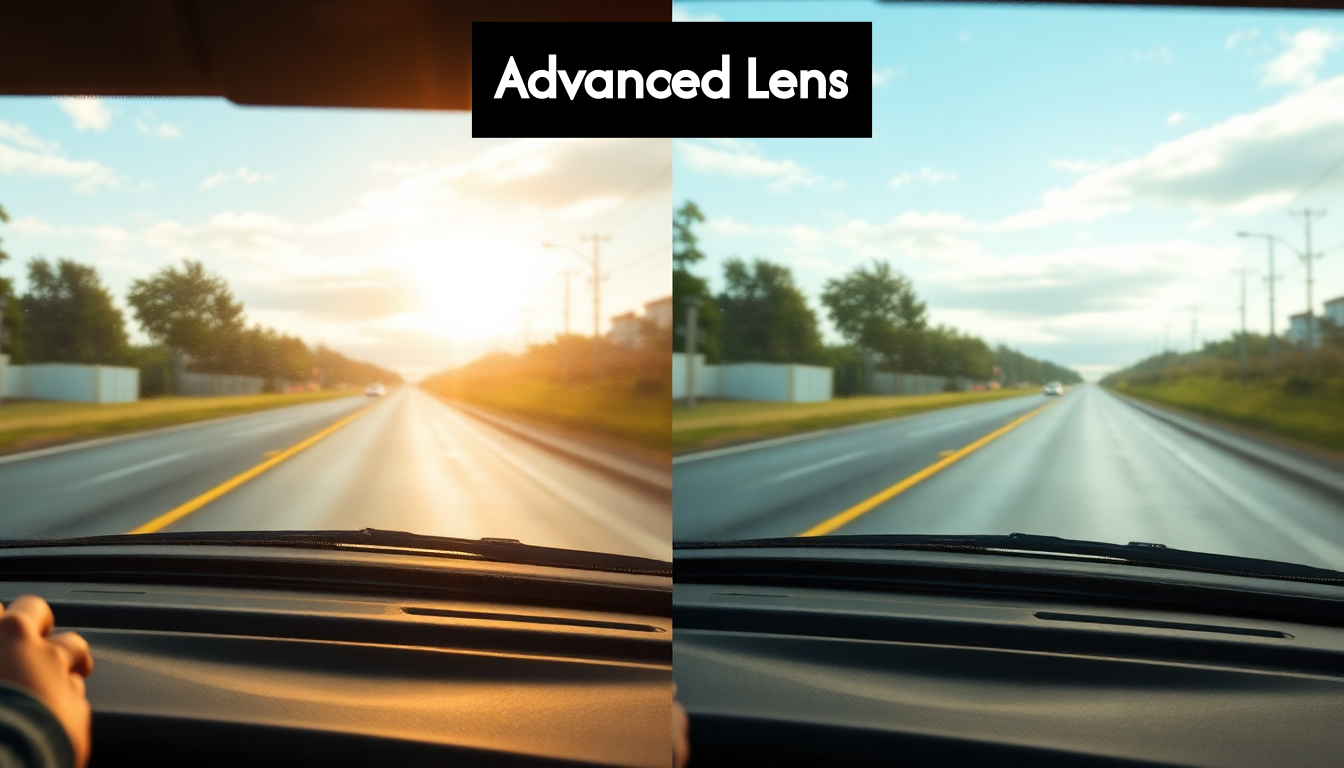
The right lens colour is more than an aesthetic choice – it’s a critical safety feature that can significantly impact driving performance and personal security.
Polarised vs Non-Polarised Lenses
Understanding the differences between polarised and non-polarised lenses is essential for drivers seeking optimal visual performance and comfort. These lens technologies offer distinct advantages and limitations that can significantly impact driving experience and safety.
How Polarised Lenses Work
Polarised lenses represent an advanced optical technology designed to combat glare and improve visual clarity. Peer-reviewed research demonstrates that these specialized lenses dramatically reduce reflected light from horizontal surfaces like roads, windscreens, and water. The unique molecular alignment in polarised lenses filters out horizontal light waves, effectively minimizing uncomfortable and potentially dangerous glare.
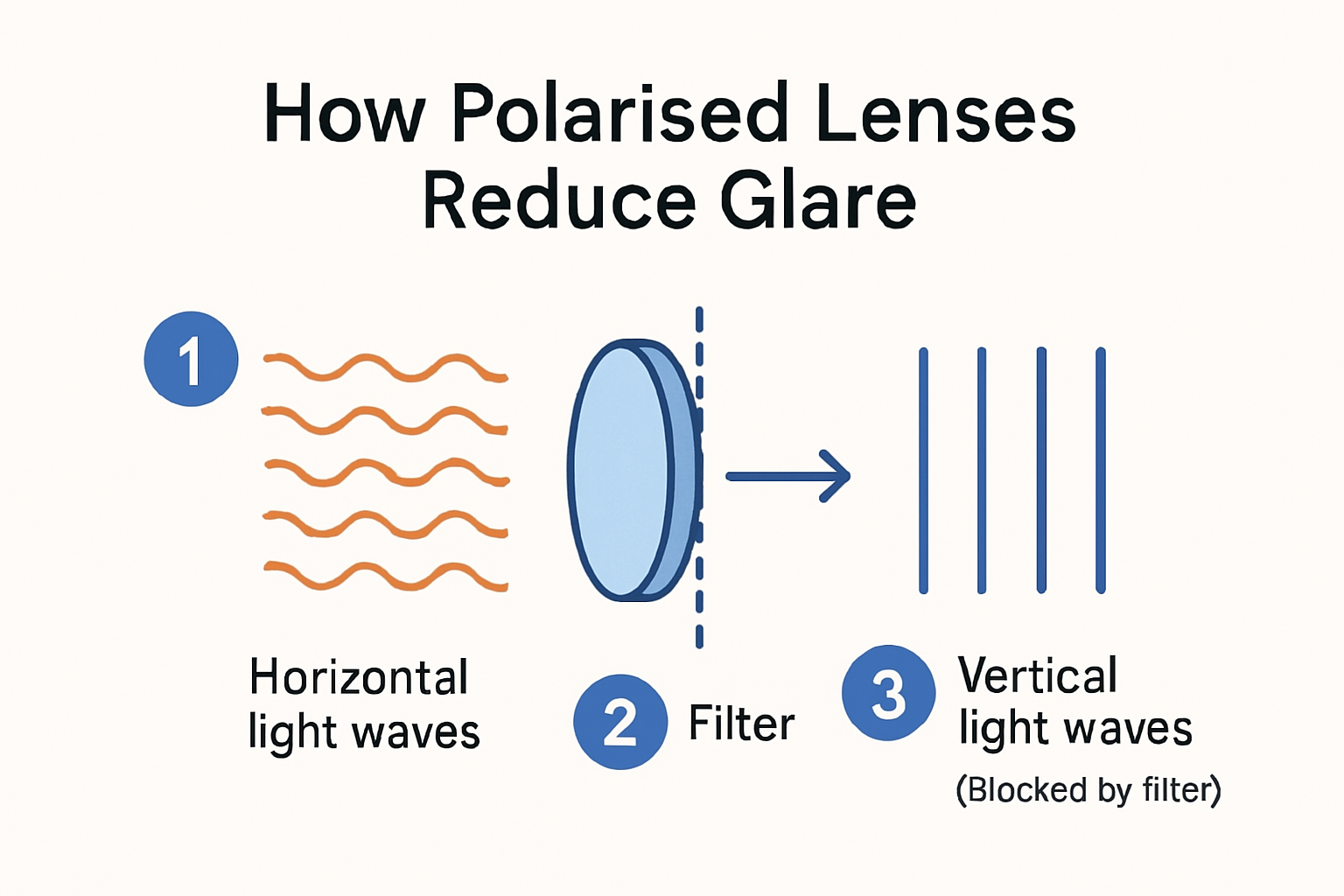
For drivers, this means substantially improved visual comfort during daytime driving. Polarised lenses can cut through reflections from wet roads, metal surfaces, and other vehicles, providing a clearer, more detailed view of the driving environment. This enhanced visual acuity can be particularly beneficial in bright sunlight or challenging reflective conditions.
Performance Limitations and Considerations
While polarised lenses offer remarkable benefits, they are not without limitations. Visio-Net cautions that polarised lenses are not recommended for night driving. The same glare-reduction mechanism that enhances daytime visibility can actually diminish light transmission during low-light conditions, potentially compromising driving safety.
Drivers should also understand that polarisation does not automatically equate to UV protection. Scientific research emphasizes that while polarised lenses are excellent at reducing glare, they must still be paired with proper UV-blocking technology to provide comprehensive eye protection. When selecting driving lenses, it’s crucial to confirm both polarisation and full-spectrum UV protection.
Choosing Between Polarised And Non-Polarised Options
The decision between polarised and non-polarised lenses depends on individual driving conditions and personal needs. Non-polarised lenses might be preferable for drivers who frequently use digital displays, operate certain machinery, or drive at night. These standard tinted lenses still offer basic sun protection and can be more versatile across different environments.
Drivers with specific visual challenges – such as those with light sensitivity, frequent long-distance travel, or regular driving in bright, reflective environments – will likely benefit most from polarised lenses. The enhanced visual clarity and reduced eye strain can make a substantial difference in driving comfort and potentially safety.
Ultimately, the best lens choice is a personal decision that should consider individual driving patterns, typical light conditions, and specific visual needs. Consulting with an eye care professional can provide tailored advice for selecting the most appropriate lens technology for your unique circumstances.
Progressive Lenses for Driving Explained
Progressive lenses represent a sophisticated solution for drivers requiring vision correction across multiple distances. Unlike traditional bifocals or single-vision lenses, progressive lenses offer a seamless transition between near, intermediate, and distance vision, making them particularly valuable for complex driving environments.
The Driving Vision Challenge
A pilot study revealed that while 61.5% of drivers who wear glasses use progressive lenses, a significant 39.4% experience visual difficulties while driving. This statistic underscores the critical importance of selecting progressive lenses specifically designed for driving demands.
Drivers typically shift visual focus rapidly between dashboard instruments, side mirrors, and distant road conditions. Traditional progressive lenses often require uncomfortable head movements to find clear vision zones, which can compromise driving safety. Specialized driving progressive lenses address these challenges by providing wider, more adaptable visual corridors.
Innovative Lens Design For Drivers
Research from Zeiss highlights that drivers spend approximately 97% of their time focusing on distant objects and only 2% on dashboard information. Driving-specific progressive lenses are engineered to optimize this visual dynamic, featuring an expanded distance zone and widened intermediate area.
These specialized lenses reduce the need for constant head repositioning, a significant safety advantage. By creating larger, more accessible clear vision areas, drivers can maintain better peripheral awareness and quicker visual response times. The strategic lens design minimizes visual adaptation time, allowing drivers to switch focus more naturally between road, mirrors, and instrumentation.
Selecting The Right Progressive Driving Lenses
When choosing progressive lenses for driving, multiple factors demand consideration. Expert recommendations suggest prioritizing lenses with advanced optical technologies that minimize peripheral distortions and provide smooth visual transitions.
Drivers should consult optometry professionals to assess individual vision requirements. Factors like age, existing vision conditions, typical driving environments, and personal comfort significantly influence lens selection. Some drivers might benefit from additional coatings that reduce glare or enhance contrast, further improving driving visual performance.
Beyond technical specifications, the right progressive driving lens should feel comfortable and intuitive. A personalized approach, combining professional assessment with individual preference, ensures optimal visual support during driving. The goal is not just correction, but creating a seamless, safe visual experience that enhances driving confidence and reduces visual fatigue.
Anti-Reflective Coating Benefits
Anti-reflective (AR) coatings represent a transformative technology in lens design, offering drivers enhanced visual clarity and safety. These specialized coatings address critical vision challenges that can compromise driving performance, particularly during challenging light conditions.
Eliminating Distracting Light Reflections
Zeiss Vision Care explains that anti-reflective coatings significantly reduce distracting reflections on lens surfaces. For drivers, this means dramatically improved visual comfort and safety, especially during night driving or in environments with complex lighting conditions like rainy evenings or urban settings with multiple light sources.
Traditional uncoated lenses can create multiple internal reflections that scatter light and reduce visual clarity. AR coatings minimize these reflections, allowing nearly 100% of visible light to pass through the lens. This enhanced light transmission means drivers experience crisper, more precise vision with reduced eye strain and improved contrast.
Night Driving Performance
The College of Optometrists highlights the critical role of anti-reflective coatings in night driving safety. By reducing glare from oncoming headlights, streetlamps, and other reflective surfaces, these coatings help drivers maintain better visual focus and reaction times during low-light conditions.
All About Vision notes that AR-coated lenses enable eyes to focus more effectively on the road, mitigating the visual challenges presented by complex nighttime driving environments. The coating effectively minimizes internal lens reflections that can create distracting light artifacts and reduce overall visual clarity.
Comprehensive Visual Protection
Beyond glare reduction, modern anti-reflective coatings offer additional benefits. Many contemporary AR coatings include hydrophobic and oleophobic properties, which repel water, dust, and oil. This means lenses remain cleaner for longer, maintaining optimal visual performance and reducing the need for frequent cleaning during driving.
Drivers with prescription lenses should consider AR coating not just as an optional extra, but as an essential safety feature. The technology provides a multi-layered approach to visual enhancement, addressing reflections, improving light transmission, and protecting lens surfaces from environmental contaminants.
While AR coatings represent an additional investment in eyewear, they deliver substantial returns in driving comfort, safety, and visual performance. Consulting with an eye care professional can help drivers select the most appropriate AR coating for their specific driving needs and environmental conditions.
Frequently Asked Questions
What are the best lens colours for driving?
Neutral tints, particularly grey and brown, are the best choices for driving lenses. They provide balanced colour perception and enhance contrast, improving safety on the road.
Are polarised lenses suitable for night driving?
No, polarised lenses are not recommended for night driving as they reduce light transmission, potentially compromising your vision in low-light conditions.
How do progressive lenses work for driving?
Progressive lenses offer a seamless transition between near, intermediate, and distance vision, reducing the need for head movement and improving focus on the road and dashboard instruments.
What are the benefits of anti-reflective coatings on driving lenses?
Anti-reflective coatings improve visual clarity by reducing distracting light reflections, particularly during night driving, which enhances focus, reaction times, and overall driving safety.
Elevate Your Driving Experience with Northern Optical Company
Ensuring optimal vision while driving is imperative for safety, but many drivers face challenges such as visual discomfort and impaired recognition of crucial road signs. After learning about the importance of selecting the right lenses—whether it’s neutral tints for clarity or progressive lenses for smooth transitions—are you equipped with the right eyewear to combat these issues?
At Northern Optical Company, we specialise in providing tailored optical solutions that address your specific driving needs. Our Driving Lenses and expert advice are designed to help you:
- Meet DVLA vision standards effortlessly
- Overcome glare with polarised options
- Enjoy seamless vision transitions with custom progressive lenses
Don’t compromise on your driving safety—visit us or check out our offerings at Northern Optical Company to discover how we can enhance your visual experience on the road today! Your journey deserves to be clear and safe. Act now and explore our exclusive lens collections crafted for driving enthusiasts like you!