
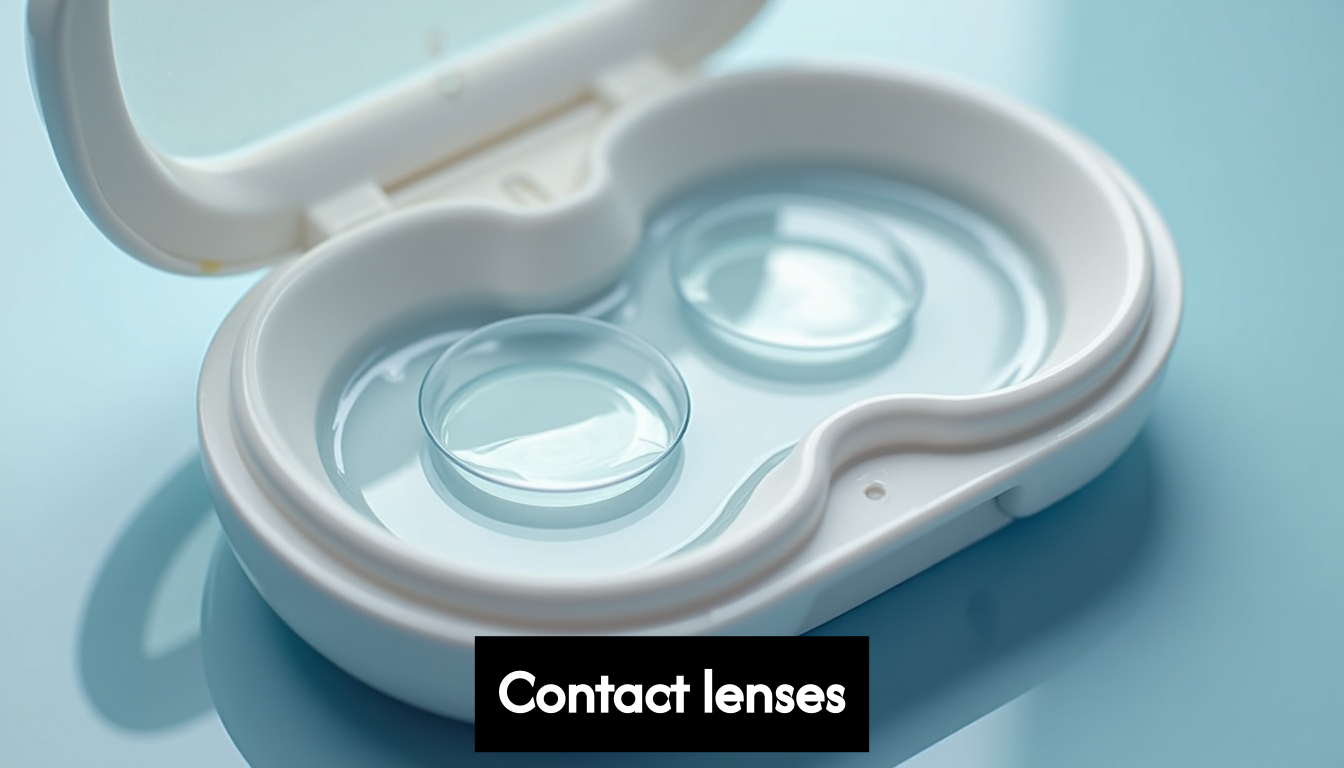
Contact lenses have transformed how we see the world. They offer a convenient alternative to glasses yet come with hidden perils for our eye health. A recent study reveals that people using reusable lenses are nearly four times more likely to develop a serious eye infection. Many assume that simply wearing them is enough for clear vision, but the reality is far more complex. With proper care and understanding, wearers can enjoy optimal vision while significantly reducing the risk of complications.
Table of Contents
- Can Wearing Contact Lenses Harm Vision
- Common Eye Problems Linked To Contacts
- Tips For Healthy Contact Lens Wear
- Types Of Contact Lenses Explained
- Soft Contact Lenses Comfort And Versatility
- [Rigid Gas Permeable And Specialized Lenses](#rigid-gas-permeable And-specialized-lenses)
- Advanced Lens Materials And Future Innovations
- When To See An Eye Specialist
Quick Summary
| Takeaway | Explanation |
|---|---|
| Proper hygiene is crucial for contact lens wearers | Poor hygiene practices, such as not washing hands or using contaminated solutions, can lead to serious infections and vision loss. Regularly replacing lens cases and using fresh solutions are essential. |
| Regular professional eye examinations are essential | Contact lens wearers should schedule eye exams at least annually to monitor eye health and prevent complications like corneal damage and infections. |
| Choose daily disposable lenses when possible | Daily disposable lenses are linked to a lower risk of infections and complications, making a safer option for many wearers. |
| Be aware of common warning signs for eye health issues | Symptoms like persistent eye pain, sudden vision changes, and unusual discharge should prompt immediate consultation with an eye specialist to avoid serious complications. |
Can wearing contact lenses harm vision?
Contact lenses are a popular vision correction method, but many wearers have legitimate concerns about potential risks to their eye health. Understanding the potential impacts and taking proper precautions can help mitigate most vision-related risks associated with contact lens use.
Potential Short-Term and Long-Term Vision Risks
Wearing contact lenses improperly can lead to several vision-related complications. Corneal damage is one of the most significant risks for contact lens wearers. When lenses are not cleaned properly, worn beyond recommended usage, or fitted incorrectly, they can cause microscopic abrasions and oxygen deprivation to the cornea.
Research from University College London reveals a startling statistic: people using reusable contact lenses are nearly four times more likely to develop Acanthamoeba keratitis (AK), a rare but serious eye infection that can threaten vision. Remarkably, researchers estimate that 30-62% of AK cases in the UK could be prevented by switching to daily disposable lenses.
Infection and Hygiene Risks
Microbial infections represent another critical concern for contact lens wearers. Poor hygiene practices can introduce harmful bacteria, fungi, and parasites directly onto the eye surface. Common mistakes include:
- Sleeping with contact lenses
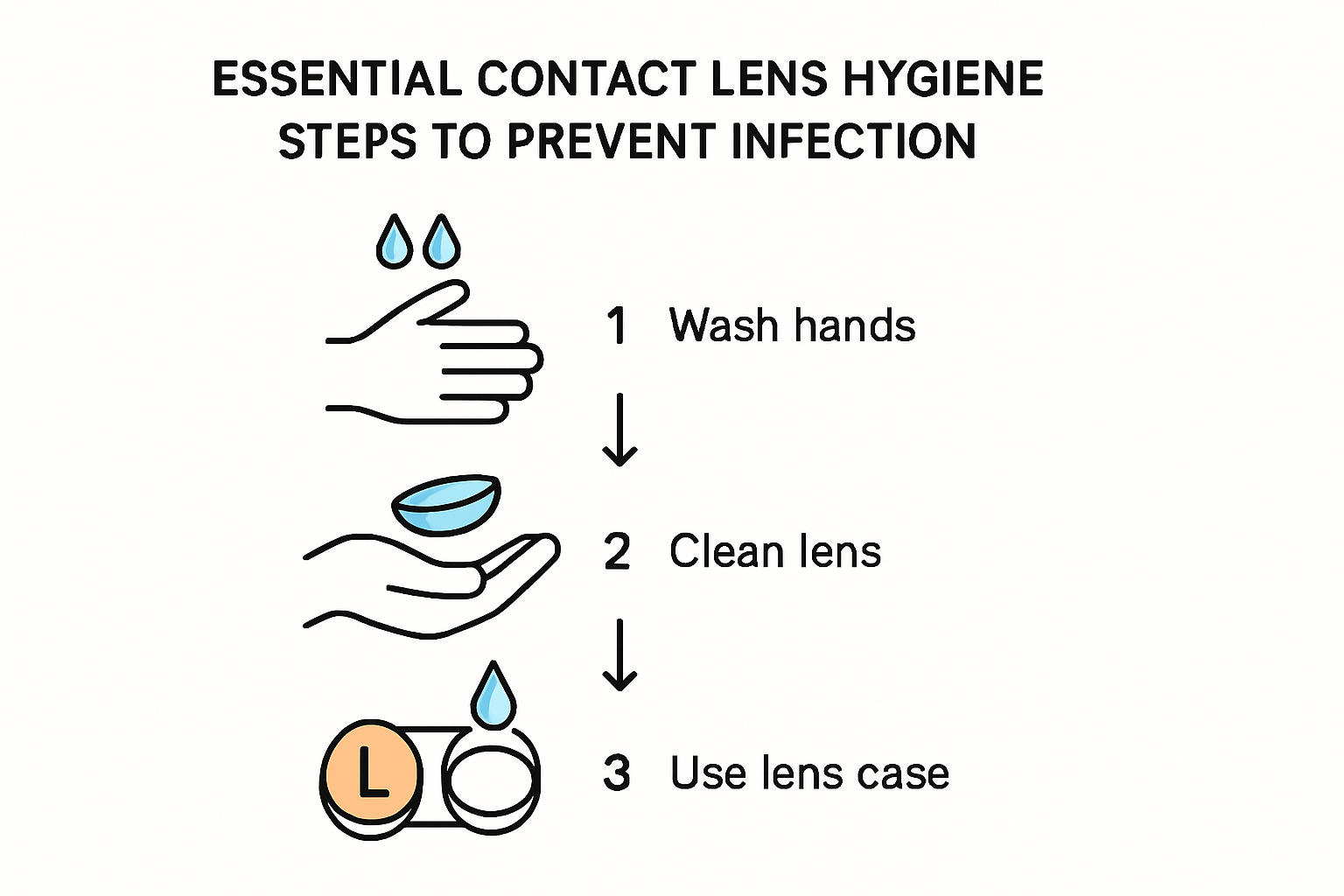
- Not washing hands before lens insertion
- Using tap water to clean lenses
- Storing lenses in old or contaminated solution
These practices dramatically increase the risk of developing serious eye infections that could potentially harm vision. Ophthalmologists consistently recommend strict hygiene protocols to minimise these risks.
Preventative Measures and Professional Guidance
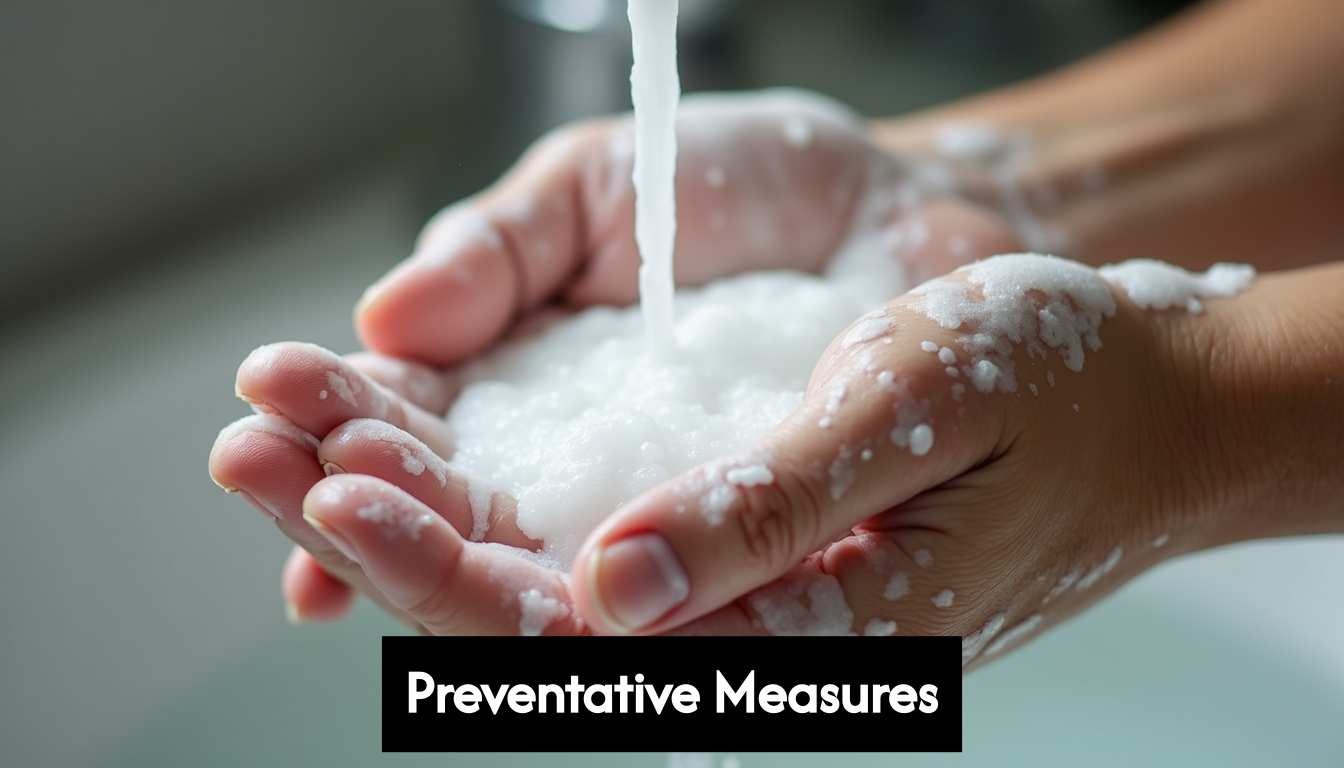
Minimising vision-related risks requires a proactive approach. Regular eye examinations are crucial for contact lens wearers. An optometrist can detect early signs of potential damage and provide personalised advice tailored to individual eye health.
The University of Liverpool is even conducting research to develop innovative contact lenses that could help repair eye damage, demonstrating the ongoing commitment to improving eye health technologies.
Key recommendations for safe contact lens use include:
- Choose daily disposable lenses when possible
- Follow manufacturer’s wearing and replacement instructions
- Practice impeccable hand hygiene
- Remove lenses before sleeping
- Never use expired lens solutions
- Replace lens cases every three months
While contact lenses can provide excellent vision correction, they are not without potential risks. By understanding these risks and implementing proper care strategies, most wearers can enjoy clear vision without compromising their eye health. Always consult with an eye care professional for personalised advice specific to your vision needs and overall eye health.
Common eye problems linked to contacts
Contact lenses offer convenient vision correction, but they can also introduce various eye health challenges. Understanding these potential complications helps wearers make informed decisions and maintain optimal eye health.
Microbial Keratitis: A Serious Infection Risk
Microbial keratitis represents one of the most significant risks for contact lens wearers. According to Patient Information Resources, this severe eye infection occurs with an incidence of 2-4 per 10,000 wearers per year during daily wear, dramatically increasing to 20 per 10,000 per year for extended wear soft lens users.
The infection can develop rapidly, causing painful corneal ulceration and potentially permanent scarring. UK Healthcare experts highlight that activities like showering or swimming while wearing contact lenses significantly elevate infection risks.
Chronic Dry Eye and Comfort Issues
Prolonged contact lens wear can disrupt the eye’s natural moisture balance, leading to chronic dry eye syndrome. This condition occurs when contact lenses interfere with tear production and distribution, causing discomfort, irritation, and potential long-term eye surface damage.
Symptoms of contact lens-related dry eye include:
- Persistent eye discomfort
- Burning or stinging sensations
- Reduced lens wearing tolerance
- Blurred vision
- Increased sensitivity to light
Optometrists recommend regular breaks, using lubricating eye drops specifically designed for contact lens wearers, and considering lens materials that promote better oxygen transmission.
Corneal Complications and Oxygen Deprivation
Contact lenses can create significant challenges for corneal health by limiting oxygen reaching the eye surface. Prolonged oxygen restriction can lead to corneal neovascularisation, a condition where new blood vessels grow into the cornea to compensate for reduced oxygen supply.
This condition can cause:
- Permanent changes to corneal structure
- Reduced vision clarity
- Increased susceptibility to infections
- Potential long-term vision complications
Choosing high-oxygen-permeable lens materials and following recommended wearing schedules can mitigate these risks. Modern silicone hydrogel lenses, for instance, allow significantly more oxygen transmission compared to traditional lens materials.
While contact lenses provide excellent vision correction, they require careful management and professional monitoring. Annual comprehensive eye examinations, strict hygiene practices, and adherence to professional guidance are crucial for preventing these potential complications. Always consult an eye care professional for personalised advice tailored to your specific vision needs and eye health conditions.
Tips for healthy contact lens wear
Maintaining healthy contact lens wear requires more than simply inserting and removing lenses. Proper care, hygiene, and informed practices are essential for protecting your eye health and ensuring comfortable, safe vision correction.
Daily Care And Hygiene Practices
The foundation of healthy contact lens wear begins with meticulous hygiene. Hand washing is critically important before handling lenses. Use mild, fragrance-free soap and thoroughly dry hands with a lint-free towel to prevent introducing bacteria or debris to your lenses.
Daily disposable contact lenses offer significant advantages, including minimal maintenance requirements and reduced infection risks. These lenses provide superior hygiene by eliminating the need for prolonged lens storage and complex cleaning routines.
Key daily care recommendations include:
- Wash and dry hands completely before lens handling
- Never use tap water to rinse lenses
- Replace lens cases every three months
- Use fresh solution each time you store lenses
- Avoid wearing lenses while sleeping
Professional Monitoring And Advanced Lens Technologies
Regular eye examinations are crucial for maintaining optimal eye health. An optometrist can assess lens fit, monitor potential complications, and recommend appropriate lens technologies. Emerging research in orthokeratology contact lenses suggests potential benefits in managing eye growth, particularly for younger wearers.
Lens technology continues to evolve, offering improved oxygen transmission and comfort. Modern silicone hydrogel lenses, for instance, provide better breathability compared to traditional materials, reducing the risk of corneal oxygen deprivation.
Lifestyle And Environmental Considerations
Contact lens wear requires adapting to various environmental and lifestyle factors. Avoid wearing lenses in high-risk situations such as:
- Swimming
- Showering
- Dusty or smoky environments
- Situations with excessive eye strain
Protect your eyes by:
- Using lubricating eye drops designed for contact lens wearers
- Taking regular breaks from lens wear
- Wearing sunglasses to protect against UV radiation
- Maintaining a balanced diet rich in eye-supporting nutrients
The UK contact lens market is projected to reach US$ 766.9 million by 2030, reflecting increasing awareness and technological advancements in vision correction.
Ultimately, healthy contact lens wear is a combination of proper technique, professional guidance, and personal responsibility. By following these guidelines and remaining attentive to your eye health, you can enjoy the convenience of contact lenses while minimising potential risks. Always consult with an eye care professional for personalised advice tailored to your specific vision needs and lifestyle.
Types Of Contact Lenses Explained
Contact lenses have evolved significantly, offering diverse options to address various vision correction needs and eye health requirements. Understanding the different types of contact lenses helps individuals make informed choices about their vision correction strategy.
Soft Contact Lenses Comfort And Versatility
Soft contact lenses represent the most popular lens type, providing exceptional comfort and adaptability. According to Northern Optical Company, these lenses come in multiple variations designed for different wearing patterns and vision correction needs.
Key soft lens categories include:
- Daily disposable lenses (single-use)
- Extended wear lenses
- Toric lenses for astigmatism
- Multifocal lenses for presbyopia
Research trends indicate significant increases in silicone hydrogel soft lens prescriptions, driven by improved oxygen transmission and enhanced comfort.
Rigid Gas Permeable And Specialized Lenses
Rigid gas permeable (RGP) lenses offer distinct advantages for specific vision correction needs. These lenses provide sharper vision and superior durability compared to soft lenses, making them ideal for complex vision correction scenarios.
Specialized lens technologies now include innovative options such as:
- Orthokeratology lenses for temporary vision correction
- Scleral lenses for irregular cornea conditions
- Smart contact lenses with integrated health monitoring sensors
Business Research reports highlight emerging smart contact lens technologies capable of real-time health diagnostics, including intraocular pressure and glucose monitoring.
Advanced Lens Materials And Future Innovations
Modern contact lens development focuses on advanced materials and technological integration. Silicone hydrogel materials have revolutionized lens design, offering unprecedented oxygen permeability and wearing comfort.
Cutting-edge lens technologies are exploring:
- Biocompatible materials
- Embedded digital health monitoring capabilities
- Enhanced UV protection
- Customized vision correction solutions
The future of contact lenses extends beyond simple vision correction, potentially becoming sophisticated health monitoring devices. Ongoing research continues to push boundaries, developing lenses that not only improve vision but also provide valuable health insights.
Choosing the right contact lens requires careful consideration of individual vision needs, lifestyle factors, and professional recommendations. Consulting an eye care professional remains the most reliable method for selecting appropriate contact lenses tailored to specific requirements.
When To See An Eye Specialist
Maintaining optimal eye health requires proactive monitoring and timely professional intervention. Understanding when to seek expert advice can prevent potential vision complications and ensure long-term eye wellness.
Routine Eye Health Screenings
Regular eye examinations are fundamental to preventative eye care. Look After Your Eyes emphasises that comprehensive eye check-ups are crucial for detecting early signs of serious health conditions like glaucoma, diabetes, and high blood pressure.
Recommended screening frequencies vary by age and individual health factors:
- Children: First examination between 6-12 months
- Preschool children: At least once before starting school
- School-age children: Every 1-2 years
- Adults aged 20-39: Every 2-4 years
- Adults aged 40-64: Every 2-3 years
- Adults 65 and older: Annually
Contact lens wearers should schedule more frequent check-ups, typically every 12 months or as recommended by their eye care professional.
Contact Lens-Related Warning Signs
Certain symptoms indicate an immediate need for professional eye care. Guided Dogs UK advises against wearing contact lenses during eye infections or when experiencing specific eye irritations.
Urgent signs requiring specialist consultation include:
- Persistent eye pain
- Sudden vision changes
- Increased light sensitivity
- Unusual discharge or redness
- Swelling around the eyes
- Significant discomfort while wearing contacts
- Blurred or distorted vision
Professional Guidance For Contact Lens Wearers
Contact lens practitioners provide specialised guidance for maintaining eye health. Civil Aviation Authority guidelines recommend regular professional consultations to assess lens fit, eye health, and potential complications.
Key reasons to consult an eye specialist include:
- Annual comprehensive eye examinations
- Changes in vision prescription
- Experiencing persistent eye discomfort
- Transitioning between different contact lens types
- Managing underlying health conditions affecting eye health
Professional eye care extends beyond vision correction. These specialists can detect early signs of systemic health issues, provide personalised advice, and recommend appropriate interventions.
Remember, your eyes are complex and delicate organs. Proactive monitoring, timely professional consultations, and adherence to recommended care practices are essential for maintaining optimal vision and overall eye health. When in doubt, always consult a qualified eye care professional for personalised guidance.
Frequently Asked Questions
Can wearing contact lenses harm my vision?
Wearing contact lenses improperly can lead to complications such as corneal damage and infections. It’s crucial to follow proper hygiene practices and regularly consult with an eye care professional to minimise these risks.
What are the common eye problems associated with contact lenses?
Common issues linked to contact lens use include microbial keratitis, chronic dry eye, and corneal complications due to oxygen deprivation. Proper lens care and regular eye check-ups can help prevent these problems.
How can I maintain healthy contact lens wear?
To ensure healthy contact lens wear, practice strict hygiene by washing hands before handling lenses, using fresh solutions, and following the manufacturer’s instructions. Consider using daily disposable lenses to reduce the risk of infection.
When should I see an eye specialist if I wear contact lenses?
You should see an eye specialist for regular eye examinations, typically every 12 months, or immediately if you experience persistent eye pain, sudden vision changes, or any symptoms that cause concern, such as unusual discharges or redness.
Prioritise Your Eye Health Today!
The recent insights on contact lenses reveal some serious risks, including infections and corneal complications, often stemming from poor hygiene or improper usage. At Northern Optical Company, we understand that the convenience of contact lenses can come with challenges. Our dedicated team is here to ensure you navigate these complexities safely, providing tailored advice and solutions for your unique vision needs.
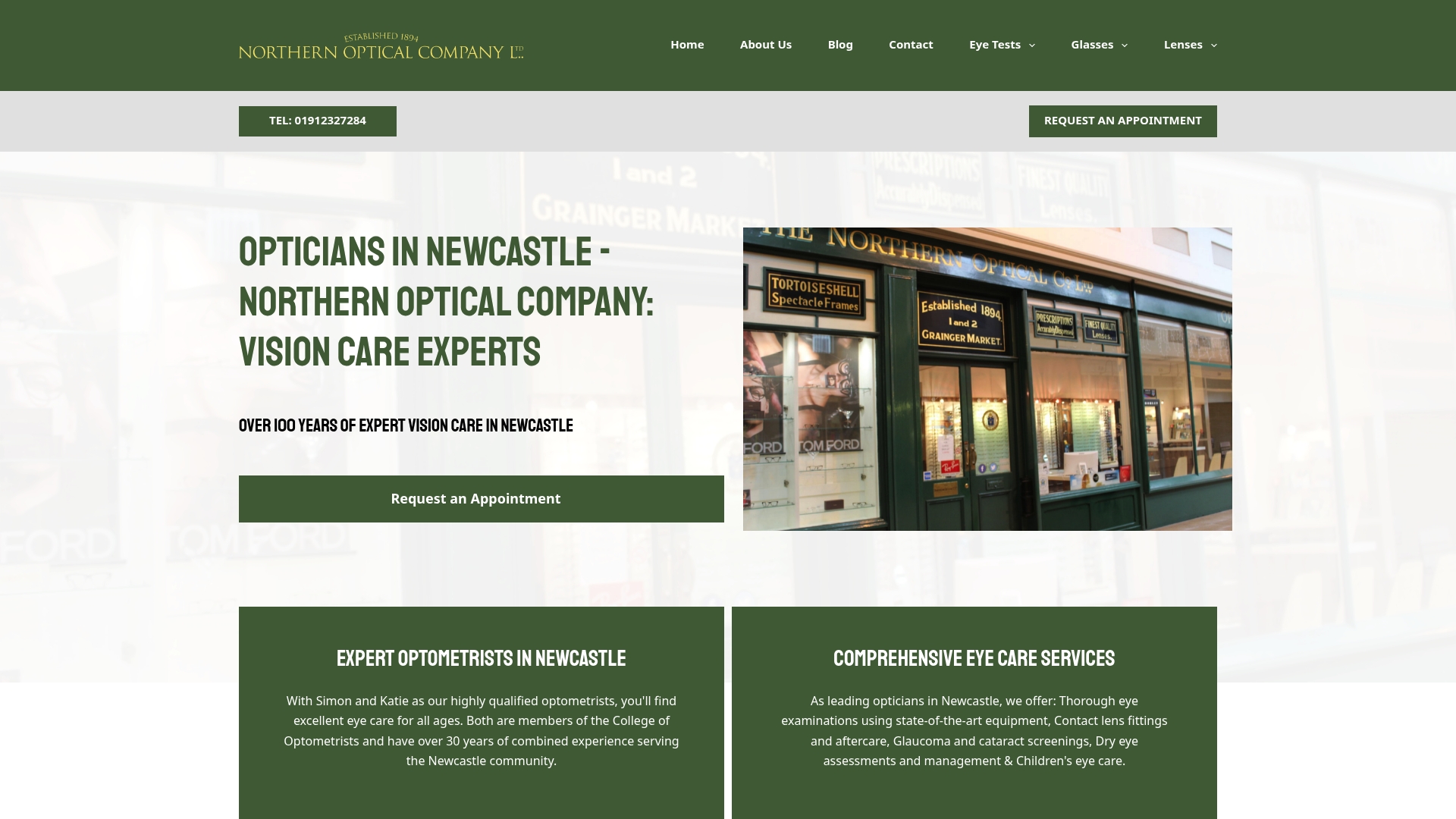
Don’t compromise on your eye health! Experience our comprehensive eye care services:
- Thorough Eye Exams to monitor your eye health
- Enhanced Examinations with cutting-edge technology
- Tailored Advice for contact lens wearers, ensuring you maintain optimal comfort and safety.
Whether you’re looking to switch to daily disposable lenses or need personalised guidance, our experienced optometrists are ready to help. Visit us today at https://northernopticalcompany.com and safeguard your vision! Your eyes deserve the best care – act now!