
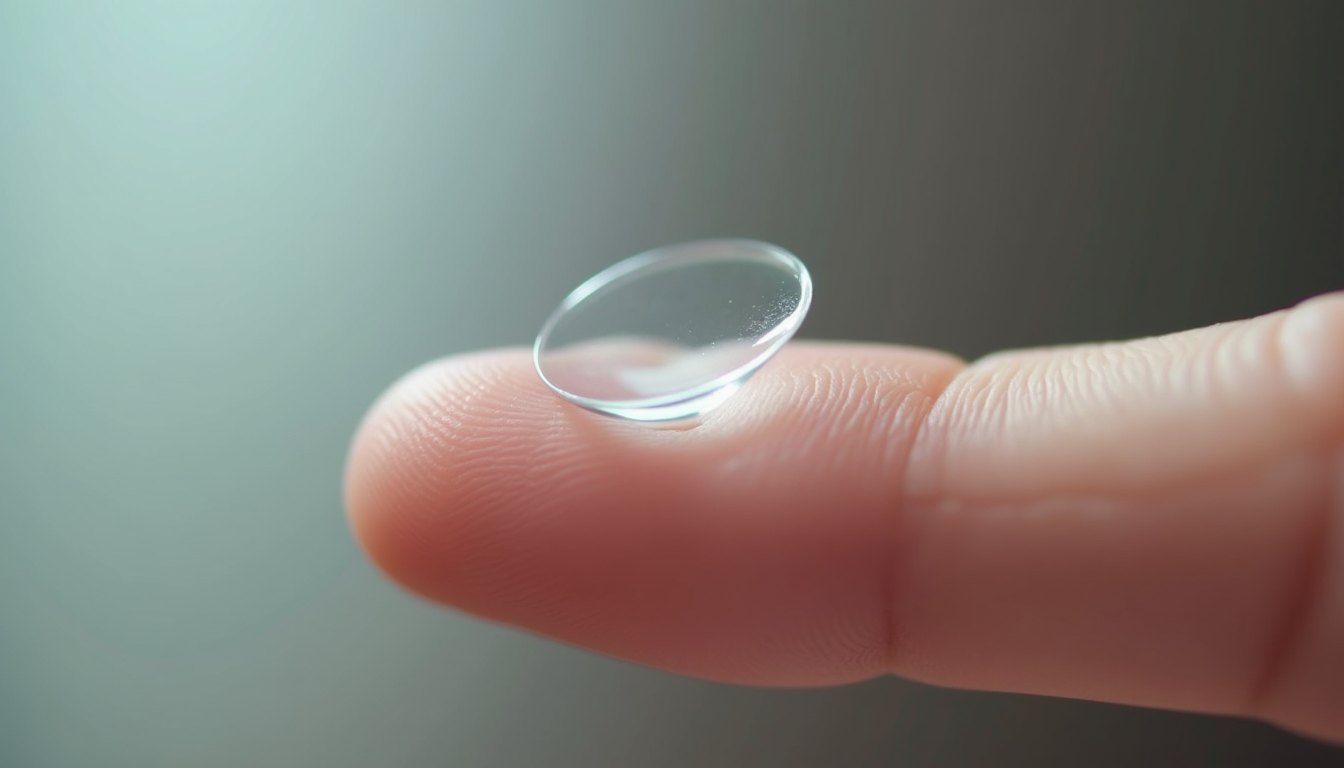
Contact lenses are a game changer for millions seeking clearer vision. With 98% of new lens fits in the UK being soft contact lenses, they have become the preferred choice for comfort and convenience. But here’s the twist: many people underestimate the importance of proper lens care. Neglecting hygiene can lead to serious eye infections. This guide will enlighten you on how to choose the right lenses and maintain long-term eye health, ensuring your vision stays sharp and your eyes remain safe.
Table of Contents
- Understanding How Contact Lenses Work
- Decoding Different Types Of Contact Lenses
- Essential Tips For New Contact Wearers
- Considering Contact Lenses For Your Eyes
Quick Summary
| Takeaway | Explanation |
|---|---|
| Understanding Contact Lenses | Contact lenses function by refracting light onto the retina and are engineered to maintain eye health through advanced materials like silicone hydrogels for oxygen transmission. |
| Choosing the Right Lens Type | There are various contact lens options such as soft lenses, RGP lenses, and specialised categories like toric or multifocal lenses, each tailored to different vision needs. |
| Importance of Proper Hygiene | Maintaining strict hygiene when handling contact lenses is crucial to prevent eye infections; this includes washing hands and using the correct cleaning solutions. |
| Regular Eye Examinations Are Essential | Regular assessments by an optometrist ensure proper lens fit and prescription, check for potential eye health issues, and provide customised care advice. |
| Evaluate Personal Suitability | Consider lifestyle factors, preferences, and daily activities when choosing contact lenses, ensuring that they align with your personal and medical needs. |
Understanding How Contact Lenses Work
Contact lenses represent a sophisticated vision correction technology that sits directly on the surface of the eye, transforming how individuals with refractive errors experience visual clarity. Unlike traditional eyeglasses, these precise optical devices work intimately with the eye’s natural structure to provide seamless vision correction.
The Optical Mechanics of Contact Lenses
At their core, contact lenses function by refracting light precisely onto the retina, compensating for specific vision challenges like myopia, hyperopia, and astigmatism. The lens acts as a miniature, personalised optical system that sits directly on the tear film covering the cornea. Modern contact lenses are engineered with advanced materials like silicone hydrogels, which allow unprecedented oxygen transmission to maintain eye health.
According to research published in the Journal of Optometry, the material composition is critical. Hydrogel materials containing elements like N-vinyl pyrrolidone enable remarkable oxygen permeability, ensuring the cornea remains healthy and comfortable throughout lens wear. This scientific approach means contact lenses are not just vision correction tools, but sophisticated biomedical devices designed with intricate understanding of human physiology.
Types of Contact Lens Functionality
V
Different contact lens types serve varied vision correction needs. Soft contact lenses, the most popular variant, adapt seamlessly to the eye’s curvature and provide immediate comfort. Rigid gas-permeable lenses offer sharper vision for individuals with more complex eye geometries, particularly those with astigmatism or requiring precise corneal mapping.
Interestingly, modern technological innovations are expanding contact lens capabilities beyond traditional vision correction. Research from University College London highlights emerging “smart” contact lens technologies that can incorporate sensors for monitoring physiological markers like intraocular pressure, potentially revolutionising healthcare monitoring.
Interaction with Human Eye Physiology

The lens’s ability to move slightly with each blink ensures continuous tear film renewal, preventing dry eye complications and maintaining lens clarity. This intricate dance between lens and eye demonstrates the remarkable engineering behind what seems like a simple vision correction tool.
Understanding contact lenses goes far beyond seeing them as mere optical devices. They represent a sophisticated intersection of medical science, optical engineering, and human biology – continuously evolving to provide increasingly personalised, comfortable, and technologically advanced vision solutions.
Decoding Different Types of Contact Lenses
Contact lenses have evolved far beyond a one-size-fits-all solution, offering a diverse range of options tailored to individual vision needs, lifestyle preferences, and eye health considerations. Understanding the nuanced landscape of contact lens types empowers individuals to make informed choices about their vision correction.
Soft Contact Lenses: The Contemporary Standard
Soft contact lenses represent the most prevalent vision correction technology in the United Kingdom, accounting for an impressive 98% of new lens fits. These lenses are crafted from flexible, water-containing materials like silicone hydrogel, which provide exceptional comfort and oxygen permeability.
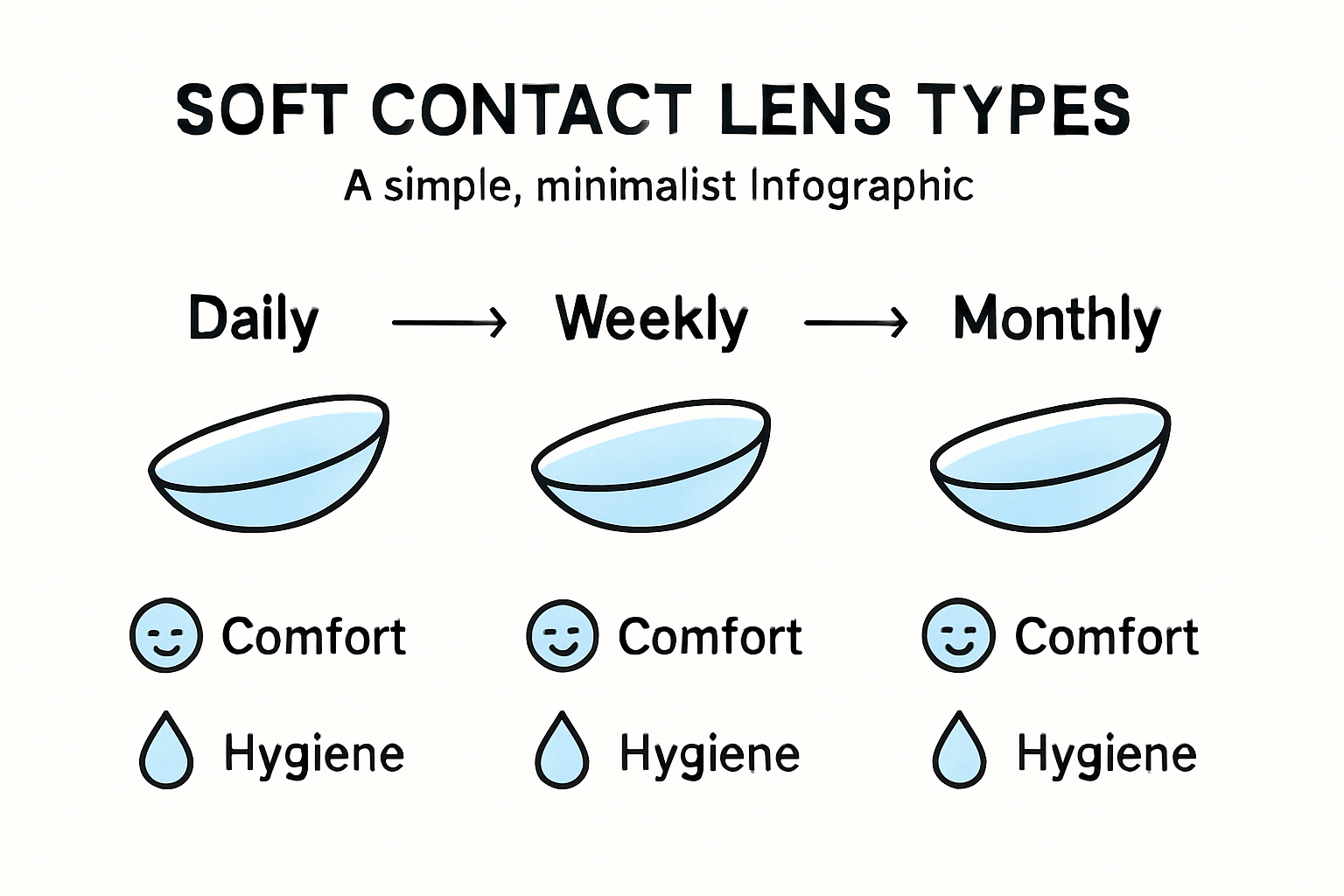
Typically available in three primary wear schedules, soft contact lenses offer remarkable versatility:
- Daily Disposables: Single-use lenses discarded after each wear, offering maximum hygiene and convenience
- Weekly Disposables: Replaced every week, providing a balance between cost-effectiveness and fresh lens experience
- Monthly Disposables: Worn for an entire month before replacement, suitable for consistent wearers
Research from Contact Lens Spectrum indicates that silicone hydrogel materials now comprise 74% of soft lens prescriptions, highlighting their technological superiority in oxygen transmission and wearer comfort.
Rigid Gas-Permeable (RGP) Lenses: Precision Vision Correction
Rigid gas-permable lenses, often called hard contact lenses, represent a more specialised vision correction option. Unlike soft lenses, these provide sharper visual acuity and are particularly beneficial for individuals with complex corneal conditions like astigmatism or irregular eye shapes.
Key characteristics of RGP lenses include:
- Extremely durable construction
- Superior optical clarity
- Ability to correct more complex vision prescriptions
- Longer lifespan compared to soft lenses
- Maintenance of their shape on the eye, providing consistent vision correction
These lenses require a more extended adaptation period but offer unparalleled precision for those with specific vision challenges.
Specialised Contact Lens Categories
Beyond traditional soft and rigid lenses, emerging contact lens technologies cater to increasingly specific needs. Comprehensive research published in medical journals highlights several innovative categories:
- Toric Lenses: Designed specifically for astigmatism, these lenses have different curvatures to correct irregular corneal shapes
- Multifocal Lenses: Providing simultaneous near and distance vision correction, ideal for individuals experiencing age-related presbyopia
- Hybrid Lenses: Combining rigid central zones with soft peripheral materials, offering optimal comfort and visual precision
The contact lens landscape continues to evolve, with technological advancements promising increasingly personalised vision solutions. From daily disposables to sophisticated hybrid designs, modern contact lenses represent a remarkable intersection of medical engineering and individual visual needs.
Choosing the right contact lens is a nuanced decision that requires professional guidance, individual eye characteristics, lifestyle considerations, and personal comfort preferences. Consulting with an experienced optometrist remains the most reliable approach to identifying your ideal vision correction solution.
Essential Tips for New Contact Wearers
Transitioning to contact lenses requires more than simply placing them on your eyes. Proper technique, hygiene, and understanding are crucial for maintaining eye health and ensuring a comfortable wearing experience. New contact lens wearers must approach this journey with care, patience, and informed practices.
Mastering Lens Handling And Hygiene
Perfect lens handling begins with meticulous hand hygiene. Moorfields Eye Hospital emphasises the critical importance of thoroughly washing and drying hands before touching contact lenses. This simple step dramatically reduces the risk of introducing harmful bacteria to your eyes.
Key hygiene practices include:
- Washing hands with soap and water for at least 20 seconds
- Drying hands with a lint-free towel
- Using only dedicated contact lens solution for cleaning and storing lenses
- Never using tap water to rinse or store contact lenses
The use of appropriate contact lens solution is paramount. According to Manchester Foundation Trust, tap water contains microorganisms that can cause serious eye infections. Always use sterile, manufacturer-recommended solutions specifically designed for contact lens care.
Daily Wear Protocols And Safety Measures
Establishing a consistent routine is essential for new contact lens wearers. Norfolk and Norwich University Hospitals NHS Trust recommends several critical safety protocols:
- Never Sleep in Contact Lenses: Overnight lens wear significantly increases infection risks
- Replace Lenses as Recommended: Follow the prescribed replacement schedule precisely
- Remove Lenses Immediately if Experiencing Discomfort: Any soreness, redness, or vision changes warrant immediate lens removal and professional consultation
Time management is crucial. New wearers should gradually increase lens-wearing duration, starting with a few hours and progressively extending wear time as comfort and skill improve.
Maintaining Long-Term Eye Health
Beyond daily practices, long-term eye health requires proactive management. Regular eye examinations are crucial for contact lens wearers. These check-ups allow optometrists to:
- Assess lens fit and prescription accuracy
- Check for potential eye health issues
- Provide personalised advice on lens care and wearing techniques
- Monitor potential complications early
Additional protective strategies include:
- Carrying a spare pair of glasses
- Having backup lens supplies
- Understanding your specific lens type’s unique care requirements
- Using lubricating eye drops designed for contact lens wearers if experiencing dryness
Contact lens wear is a responsibility as much as it is a convenience. By following professional guidance, maintaining strict hygiene, and remaining attentive to your eye’s responses, you can enjoy the freedom and clarity that contact lenses provide. Remember, your optometrist remains your most valuable resource in navigating this journey successfully.
Ultimately, successful contact lens wear combines technical knowledge, personal discipline, and a commitment to eye health. Approach your new vision correction method with patience, care, and informed practices.
Considering Contact Lenses for Your Eyes
Choosing contact lenses is a significant decision that extends beyond simple vision correction. It involves carefully evaluating personal lifestyle, eye health, financial considerations, and individual vision requirements. Understanding the comprehensive landscape of contact lens adoption ensures individuals make informed, personalised choices.
Medical Eligibility and Professional Assessment
Before embarking on contact lens wear, a comprehensive eye examination is paramount. Professional optometrists conduct detailed assessments to determine an individual’s suitability for contact lenses. These examinations evaluate several critical factors:
- Corneal health and shape
- Tear film quality
- Existing vision prescription
- Potential underlying eye conditions
- Overall eye physiology
NHS guidelines emphasise that not every individual is immediately suitable for contact lens wear. Some conditions like severe dry eye syndrome, certain corneal irregularities, or specific autoimmune disorders might require alternative vision correction strategies.
An optometrist will perform specialised tests including:
- Corneal topography
- Tear film break-up time measurement
- Comprehensive refractive error assessment
- Detailed eye surface examination
Financial Considerations and NHS Support
Contact lens expenses can be significant, but multiple support mechanisms exist. From April 2025, NHS hospital eye services have established maximum charges:
- Single vision lenses: Maximum charge of £75.85
- Specialized lenses: Maximum charge of £123.34
Important financial support options include:
- Free eye tests for individuals under 16
- Subsidies for those aged 16-19 in full-time education
- Potential assistance for patients requiring lenses as medical ‘bandages’ or ‘prostheses’
Patients without eligible benefits can apply to the NHS Business Services Authority using an HC1 form to help manage contact lens costs. Calling 0300 3301 343 can provide additional guidance on financial support.
Lifestyle and Personal Suitability
Contact lens suitability extends beyond medical eligibility, encompassing lifestyle and personal preferences. Individuals should consider:
- Occupation and daily activities
- Sports and physical engagement levels
- Personal comfort with lens insertion and maintenance
- Time available for lens care routines
- Environmental factors like workplace dust or air conditioning
Some professions and activities are particularly conducive to contact lens wear:
- Athletes requiring unrestricted peripheral vision
- Performers and actors
- Professionals working in dynamic environments
- Individuals seeking aesthetic alternatives to traditional glasses
Additionally, certain medical conditions like diabetes or autoimmune disorders might influence contact lens suitability. Consulting healthcare professionals provides nuanced insights tailored to individual circumstances.
Ultimately, contact lens selection is a personalised journey. By combining professional medical assessment, understanding financial support mechanisms, and evaluating personal lifestyle factors, individuals can make empowered decisions about their vision correction strategy. Professional guidance remains the cornerstone of successful contact lens adoption.
Frequently Asked Questions
What are contact lenses and how do they work?
Contact lenses are optical devices that sit directly on the eye’s surface, refracting light to provide vision correction for refractive errors such as myopia, hyperopia, and astigmatism. They are made from advanced materials that allow oxygen to reach the cornea, ensuring comfort and eye health.
What are the different types of contact lenses available?
There are several types of contact lenses, including soft lenses, rigid gas-permeable lenses, toric lenses for astigmatism, multifocal lenses for presbyopia, and hybrid lenses that combine features from both soft and rigid lenses. Each type is designed to meet specific vision needs.
How can I ensure proper hygiene when wearing contact lenses?
To maintain proper hygiene, always wash your hands thoroughly with soap and water before handling contact lenses. Use only the recommended contact lens solution for cleaning and storage, and never use tap water. Follow your optometrist’s advice on the care and replacement schedule for your lenses.
What should I consider before switching to contact lenses?
Consider factors such as your overall eye health, lifestyle, and personal comfort with lens insertion and maintenance. It’s essential to have a professional eye examination to determine your suitability for contact lenses and discuss potential support mechanisms, like NHS assistance for costs.
Ensure Your Eye Health with Expert Care
Your journey to clear vision should never be compromised by inadequate lens care or poor optical choices. With the insights from our Contact Lenses Basics Guide 2025, we understand the critical importance of maintaining proper hygiene and selecting the right type of lenses for your unique needs. Offering 98% of new fits in the UK as soft lenses is a testament to their comfort; however, it’s essential for wearers to grasp the nuances of lens hygiene to avoid potential complications like eye infections.
At Northern Optical Company, our family-run practice is dedicated to guiding you through every step of your lens-wearing journey. With personalised eye exams, enhanced technology, and community-based care, our experienced team stands ready to support you in choosing the right contact lenses and ensuring long-term eye health. Don’t leave your vision to chance – discover tailored solutions today at northernopticalcompany.com. Book your appointment now and take the first step towards clear, healthy vision!