

Contact lenses can be a game changer for vision correction. They offer convenience and freedom from glasses, but their upkeep is crucial. Did you know that over 70% of contact lens wearers fall victim to harmful cleaning mistakes? It’s startling to think that such a large number of people jeopardise their eye health. The truth is, most infections caused by contact lenses could have been easily prevented with proper care. By mastering the art of lens cleaning and maintenance, you not only protect your vision but significantly enhance your overall eye health.
Table of Contents
- Why Cleaning Contacts Is Important
- Steps For Cleaning Soft Lenses
- How To Store Your Contact Lenses
- Mistakes To Avoid When Cleaning
Quick Summary
| Takeaway | Explanation |
|---|---|
| Prevent microbial infections | Rigorous cleaning standards are crucial to prevent harmful bacterial and fungal infections that can lead to severe eye health issues. |
| Follow proper cleaning techniques | Always wash hands thoroughly, use recommended cleaning solutions, and never use tap water when handling lenses to maintain lens hygiene. |
| Implement correct storage practices | Store contact lenses in a clean, dry environment, away from moisture and heat, and never reuse or top up old solution to minimise contamination risks. |
| Avoid common mistakes | Important errors to avoid include neglecting lens case replacement, wearing lenses beyond their recommended lifespan, and failing to follow optometrist guidelines. |
Why cleaning contacts is important
Contact lenses sit directly on your eyes, creating an environment where harmful microorganisms can thrive if proper cleaning is neglected. Understanding the critical importance of maintaining excellent contact lens hygiene can prevent serious eye health complications and ensure comfortable, safe vision.
Preventing Dangerous Eye Infections
Microbial infections represent the most significant risk for contact lens wearers who do not maintain rigorous cleaning standards. Research from the University of Liverpool revealed that resistant bacterial strains can survive for several hours in standard cleaning solutions, highlighting the potential dangers of improper lens care. Bacterial and fungal infections can lead to serious conditions like microbial keratitis, which may cause permanent vision damage if left untreated.
Contaminated contact lenses can introduce harmful pathogens directly onto the eye’s surface, bypassing natural protective mechanisms. These microorganisms can cause inflammation, corneal ulcers, and in severe cases, vision-threatening infections that might require intensive medical intervention.
Maintaining Long-Term Eye Health
Consistent and thorough cleaning of contact lenses is not just about immediate comfort but also about preserving long-term eye health. The General Optical Council (GOC) study found that a significant percentage of contact lens wearers were not receiving proper guidance on lens and case maintenance. This lack of education increases the risk of developing chronic eye problems.
Regular cleaning helps prevent:
- Protein and lipid buildup on lens surfaces
- Reduced oxygen transmission to the cornea
- Potential allergic reactions
- Decreased lens comfort and visual clarity
Critical Compliance with Hygiene Protocols
Contact lens compliance research demonstrates that non-adherence to recommended cleaning and replacement routines significantly increases the likelihood of adverse eye health events. This means that simply owning contact lenses is not enough – you must commit to a disciplined cleaning regimen.
Key cleaning practices include:
- Washing hands thoroughly before handling lenses
- Using recommended multipurpose solutions
- Replacing lens cases monthly
- Avoiding water contact with lenses
- Following manufacturer and optometrist guidelines
By understanding and implementing proper cleaning techniques, contact lens wearers can protect their vision, maintain eye health, and enjoy the convenience of corrective eyewear without unnecessary risks. Your commitment to meticulous lens hygiene is the first line of defence against potential eye health complications.
Steps for cleaning soft lenses
Cleaning soft contact lenses requires precision, care, and a systematic approach to ensure optimal eye health and lens performance. Following the correct cleaning procedure can significantly reduce the risk of eye infections and extend the life of your contact lenses.
Preparing for Lens Cleaning
Before beginning the cleaning process, create a hygienic environment that minimises potential contamination. NHS Gloucestershire Hospitals guidance emphasises the importance of washing hands thoroughly with soap and water, then drying them with a lint-free towel. This initial step prevents transferring bacteria or debris from your hands to the delicate lens surface.
Ensure you have the following supplies ready:
- Clean contact lens case
- Recommended multipurpose solution
- Fresh, clean towel
- Sterile saline solution
Detailed Cleaning Technique
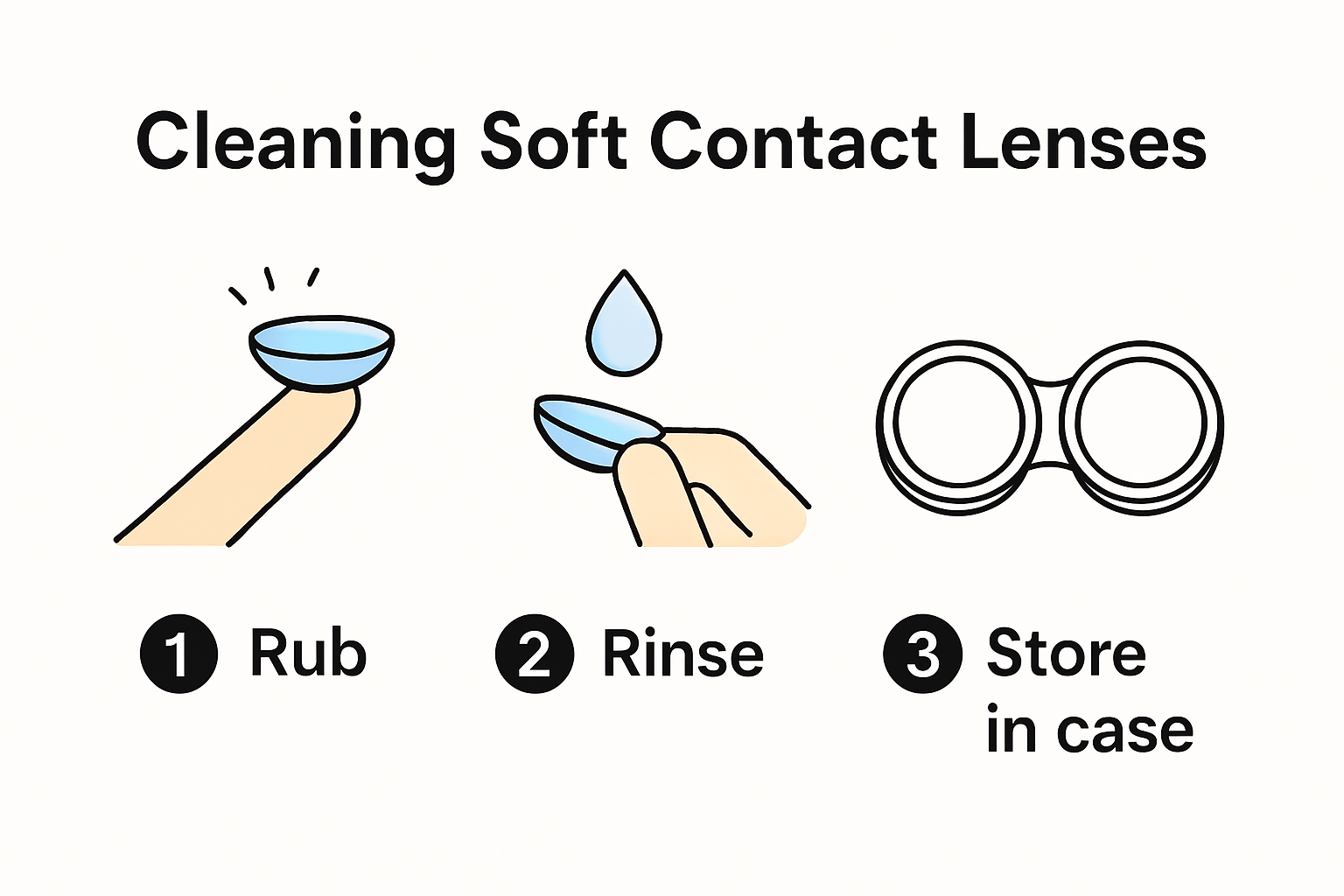
University Hospitals Coventry and Warwickshire recommends a precise cleaning method to effectively remove protein deposits and potential contaminants:
- Place the lens in the palm of your hand
- Apply 2-3 drops of recommended cleaning solution
- Gently rub the lens with your finger for at least 30 seconds
- Rinse thoroughly with sterile solution
- Store in a clean case filled with fresh solution
Important caution: Never use tap water to rinse or store your lenses. Moorfields Eye Hospital warns that tap water contains microorganisms that can cause serious eye infections.
Lens Case Management
Your contact lens case is a critical component of maintaining lens hygiene. After each use:
- Empty the old solution completely
- Rinse the case with fresh multipurpose solution (not water)
- Allow the case to air dry between uses
- Replace your lens case every three months
Specialists recommend storing lenses in fresh solution for at least 6 hours or overnight to ensure complete disinfection. This process helps eliminate potential bacterial growth and ensures your lenses are clean and safe for next use.
By following these meticulous cleaning steps, you protect your eyes from potential infections and maintain the quality and comfort of your soft contact lenses. Remember, consistent and careful cleaning is your primary defence against eye health complications.
How to store your contact lenses
Proper contact lens storage is crucial for maintaining eye health and preserving the integrity of your lenses. Incorrect storage can lead to bacterial contamination, potential eye infections, and reduced lens performance.
Selecting the Right Storage Environment
Moorfields Eye Hospital recommends rigorous storage protocols to minimise infection risks. Always store your contact lenses in a clean, dry area away from direct sunlight and extreme temperatures. Avoid bathroom environments where humidity and bacterial exposure are high.
Key storage considerations include:
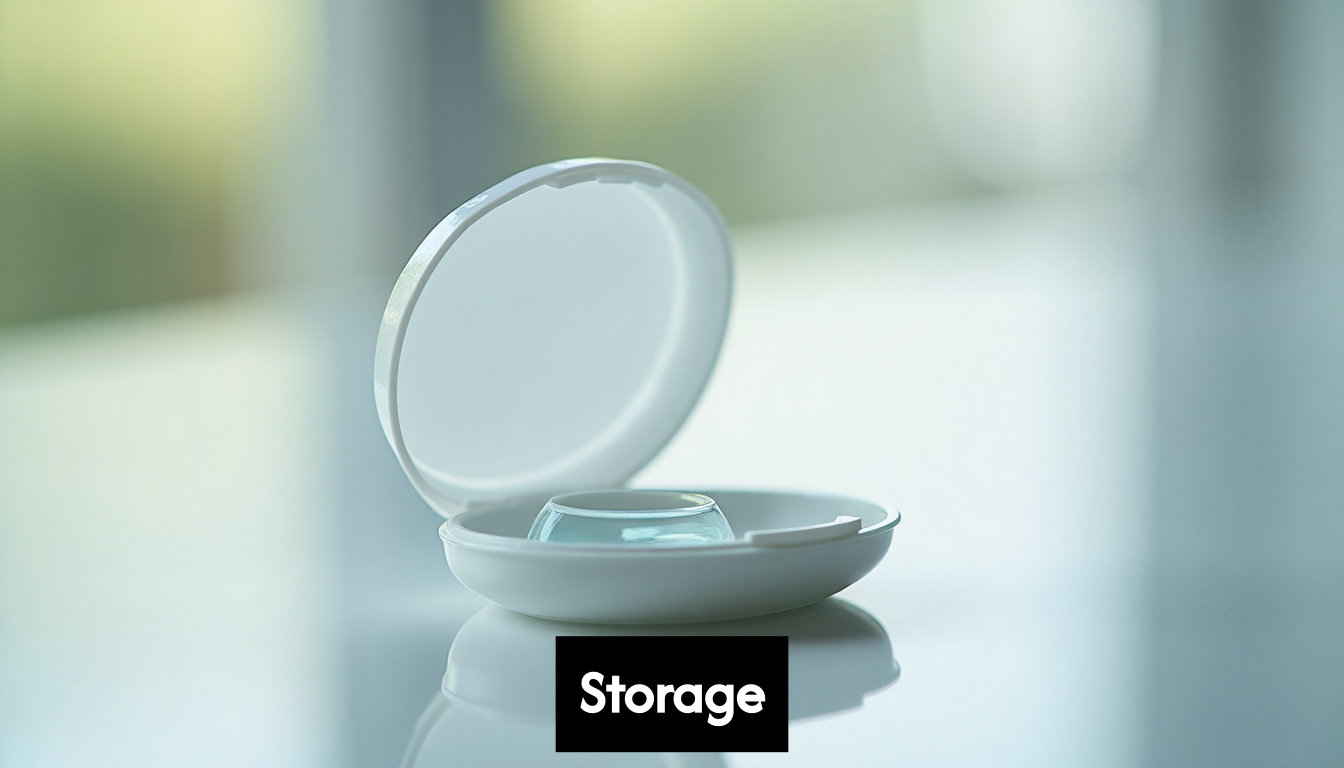
- Use a dedicated contact lens case
- Keep the case away from moisture and heat
- Store at room temperature
- Replace your lens case monthly
Proper Solution and Case Management
Royal Devon and Exeter NHS Foundation Trust emphasises critical guidelines for solution and case maintenance:
- Never reuse or top up old solution
- Discard used solution after each storage
- Rinse the case with fresh saline solution
- Allow the case to air dry completely between uses
- Do not store lenses for more than seven days without cleaning
Important caution: Reusing or adding new solution to existing liquid creates an ideal breeding ground for harmful microorganisms.
Long-Term Storage Strategies
For contact lens wearers who might need extended storage, follow these professional recommendations:
- If not wearing lenses for extended periods, store in fresh, sealed solution
- Check lens solution expiration dates regularly
- Inspect lenses for damage before and after storage
- Consider using fresh solution even for short storage periods
By implementing these meticulous storage techniques, you protect your contact lenses from contamination and ensure they remain safe and comfortable for your eyes. Consistent, careful storage is as important as the cleaning process itself in maintaining optimal eye health.
Mistakes to avoid when cleaning
Contact lens cleaning requires precision and attention to detail. Even minor errors can lead to serious eye health complications, making it crucial to understand and avoid common mistakes that compromise lens hygiene and eye safety.
Improper Cleaning Techniques
Contact Lens Update research revealed that a significant percentage of contact lens wearers make critical errors in their cleaning routine. One of the most dangerous mistakes is inadequate hand washing before lens handling.
Common cleaning errors include:
- Rushing through the cleaning process
- Using tap water to rinse lenses
- Failing to rub lenses thoroughly during cleaning
- Using expired cleaning solutions
- Neglecting to replace lens cases regularly
The U.S. Centers for Disease Control and Prevention (CDC) strongly warns against using water or saliva for cleaning, as these can introduce harmful microorganisms that cause serious eye infections.
Dangerous Storage and Handling Practices
Mishandling contact lenses extends beyond cleaning techniques. Research indicates that over 70% of contact lens wearers make critical errors in lens storage and wear.
Most hazardous practices include:
- Sleeping with contact lenses
- Topping up old cleaning solution
- Storing lenses in unsealed or dirty cases
- Wearing lenses beyond recommended replacement schedules
- Ignoring signs of lens damage or discomfort
Overlooking Critical Maintenance
Contact lens maintenance involves more than just daily cleaning. Neglecting long-term care can lead to cumulative damage and increased infection risks.
Key maintenance mistakes to avoid:
- Not replacing lens cases monthly
- Using the same lens case for extended periods
- Failing to follow manufacturer’s specific cleaning instructions
- Ignoring professional advice from optometrists
- Continuing to wear lenses despite eye irritation
By understanding and avoiding these common mistakes, you protect your eyes from potential infections and ensure the longevity and comfort of your contact lenses. Remember, meticulous care is your primary defence against eye health complications. Always consult your eye care professional if you have any doubts about your lens cleaning routine.
Frequently Asked Questions
How often should I clean my contact lenses?
Cleaning your contact lenses should be done daily, preferably every time you remove them. This practice prevents the buildup of proteins and bacteria, ensuring better eye health.
Can I use tap water to rinse my contact lenses?
No, you should never use tap water to rinse your contact lenses. Tap water can contain harmful microorganisms that may lead to serious eye infections. Always use a recommended cleaning solution instead.
What should I do if my contact lenses cause irritation?
If your contact lenses cause irritation, remove them immediately and consult your eye care professional. Do not continue to wear lenses that cause discomfort, as this can lead to more severe complications.
How often should I replace my contact lens case?
You should replace your contact lens case every three months to minimise the risk of contamination and infections. Regularly cleaning and air-drying the case is also essential for optimal hygiene.
Keep Your Vision Clear and Safe with Northern Optical!
Don’t let improper cleaning techniques put your eye health at risk! With over 70% of lens wearers making common mistakes, ensuring your contact lenses are cleaned and stored correctly is crucial to prevent infections and maintain long-term eye health. At Northern Optical Company, we understand the importance of rigorous lens hygiene and are here to support you with top-quality products and expert guidance.
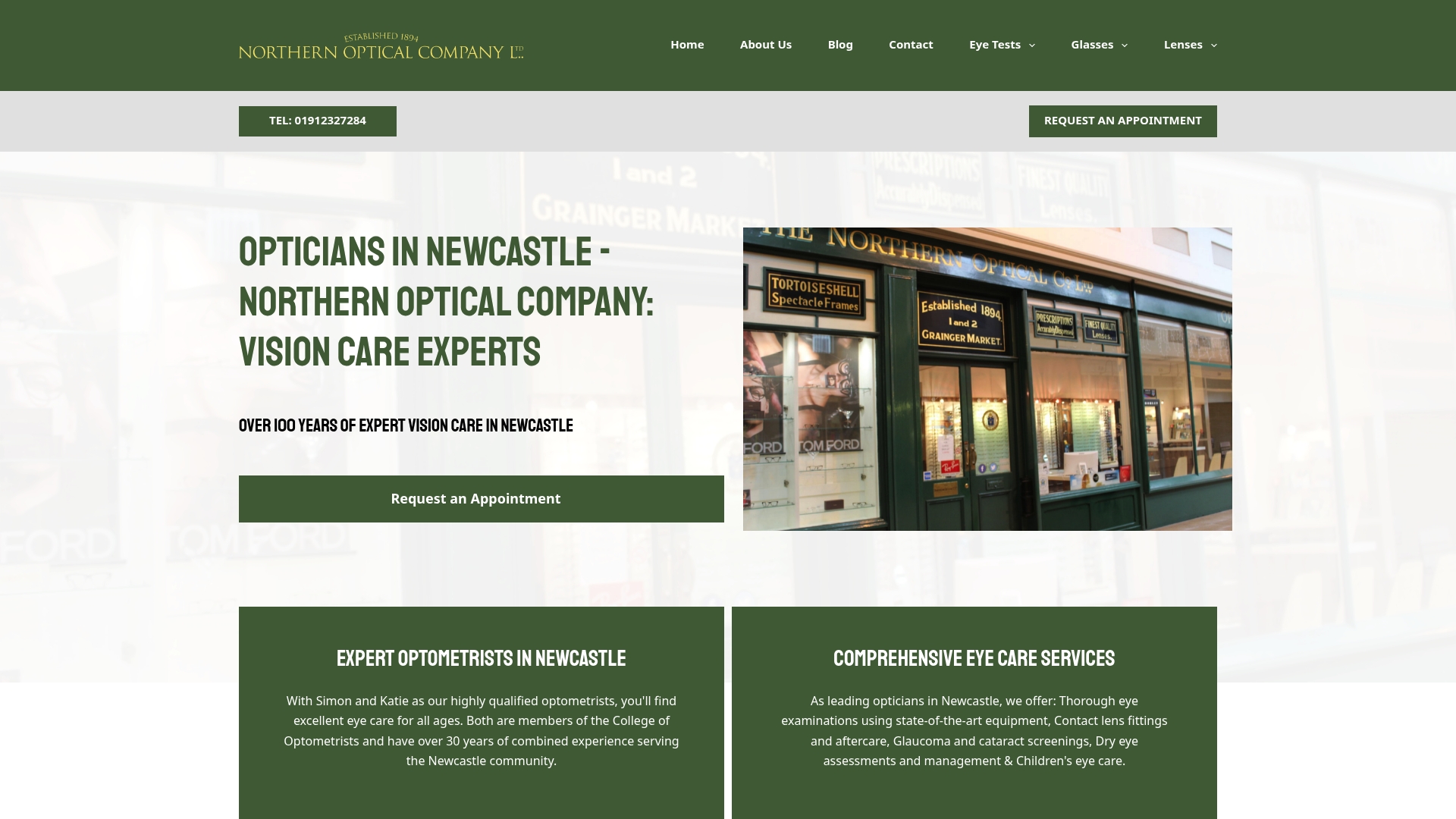
Imagine this: you follow all the cleaning steps outlined in our latest guide, but without the right products and advice, you may still compromise your eye care. That’s where we come in! With our range of high-quality contact lenses and professional eye care services, you can rest assured that your vision is in great hands. Book a comprehensive eye exam with our friendly team today, and let us help you avoid those dangerous cleaning pitfalls! Visit us at Northern Optical to schedule your appointment and keep your eyes sparkling and safe!