

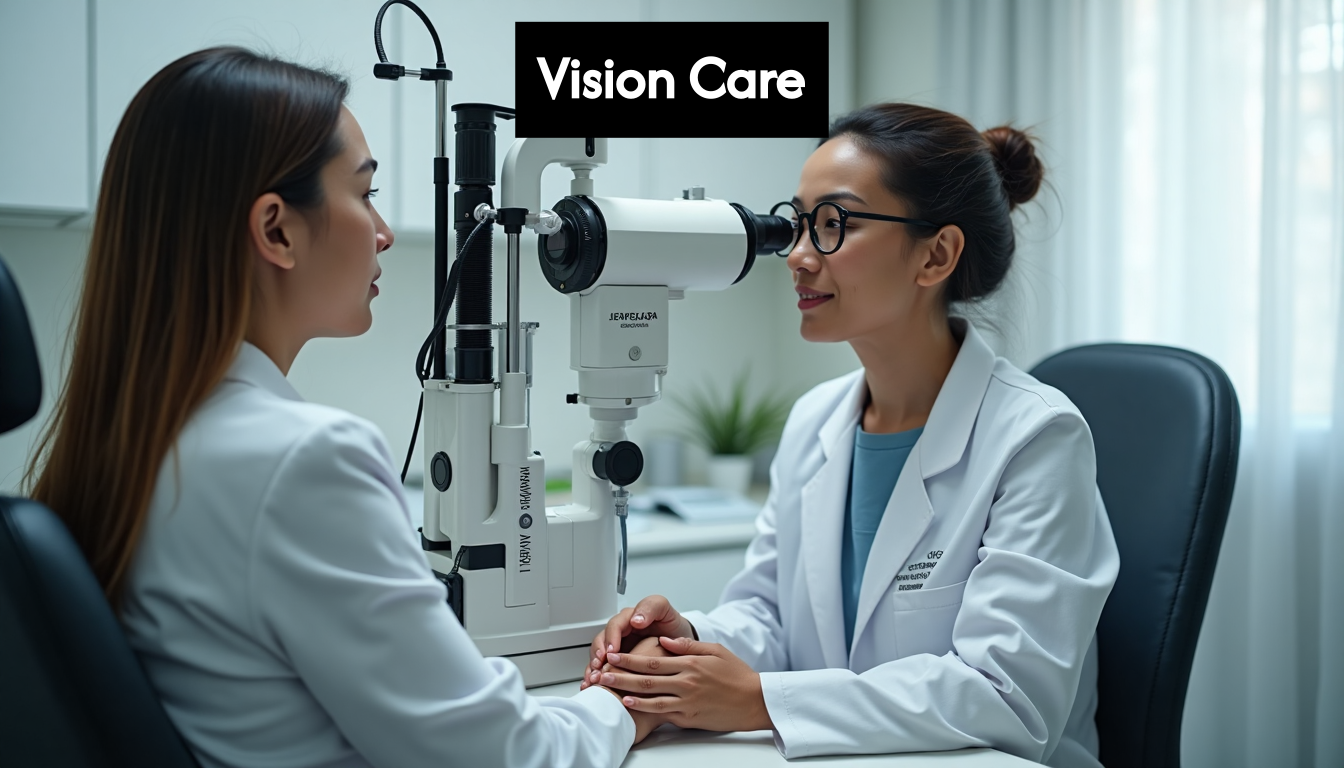
Opticians are often thought of as the people who sort your glasses or contact lenses, but their true impact stretches much further. Here is something you might not expect. Over 28.5 million eye care appointments take place each year in the UK, yet many people have no idea that these visits can help uncover conditions like diabetes or high blood pressure before any symptoms appear. An optician is more than just a specialist in lenses and frames—they are a key player in your overall health, quietly watching for signs that could make all the difference to your wellbeing.
Table of Contents
- How Opticians Help You See Clearly
- Choosing And Fitting Your Eyewear
- Knowing When To See Your Optician
- Opticians And Your Overall Eye Health
Quick Summary
| Takeaway | Explanation |
|---|---|
| Opticians are vital for vision care | They conduct comprehensive eye examinations to assess eye health and provide precise vision correction tailored to individual needs. |
| Personalised eyewear is crucial | Opticians guide patients in selecting eyewear that not only corrects vision but also complements personal style and daily activities, considering unique lifestyle needs. |
| Regular check-ups prevent long-term issues | Ongoing visits to your optician can help track vision changes and detect early signs of eye conditions, ensuring proactive management of eye health. |
| Opticians provide broader health insights | Eye examinations can reveal signs of systemic health issues like diabetes or hypertension, making opticians essential in holistic health monitoring. |
| Adapt to lifestyle changes | Understanding the impact of age and lifestyle on vision is vital, and opticians offer tailored solutions to address changing vision needs throughout life. |
How Opticians Help You See Clearly
Opticians play a crucial role in maintaining and improving your vision, serving as essential healthcare professionals who ensure you see the world clearly and comfortably. With the UK’s eye care sector providing over 28.5 million appointments annually, these specialists are more important than ever in helping individuals maintain optimal eye health.
Precision Vision Assessment and Correction
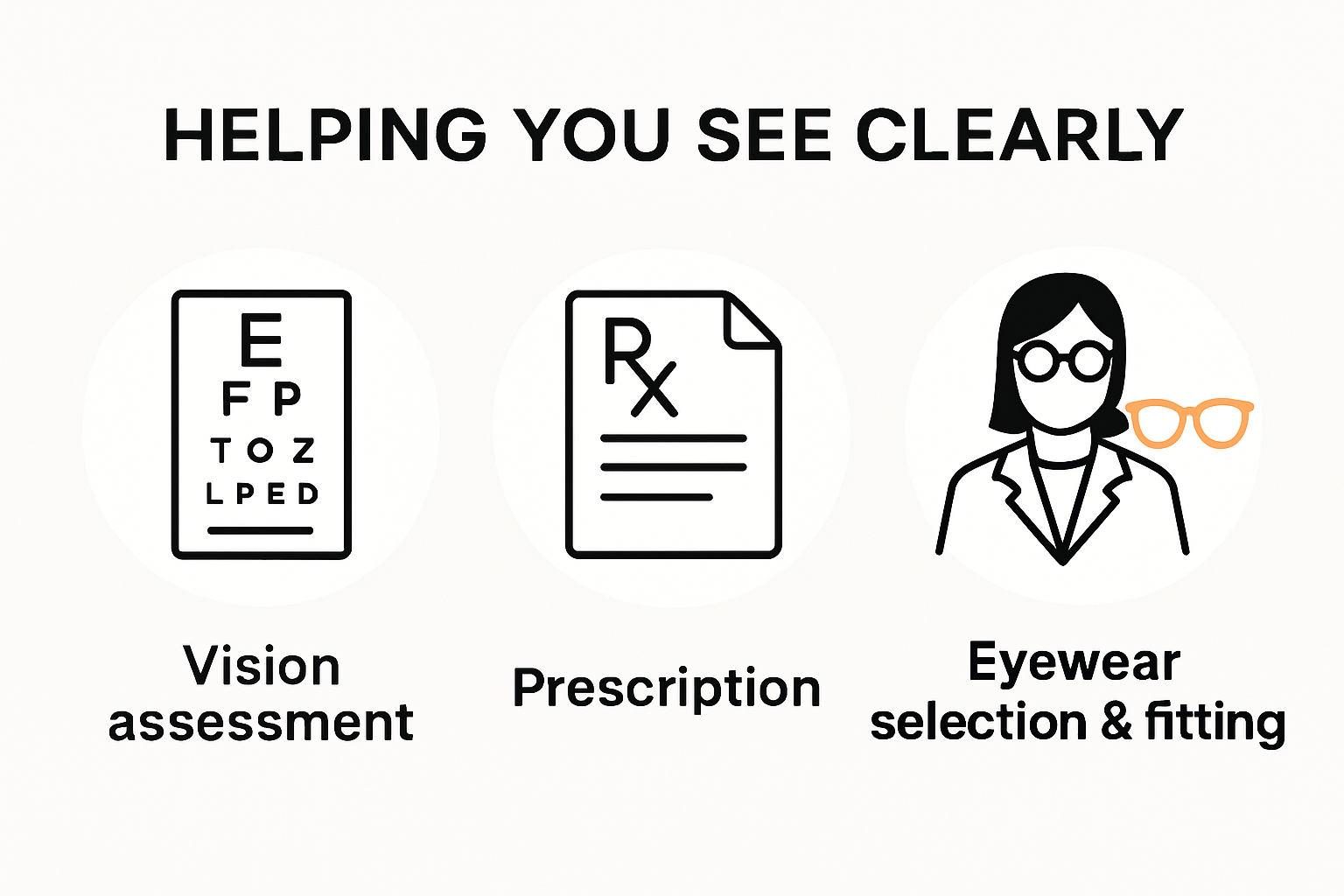
The primary role of an optician is to transform your visual experience through expert assessment and precise correction. They conduct comprehensive eye examinations that go far beyond simple vision testing. Your optician carefully evaluates your eye health, measuring visual acuity, checking for potential eye conditions, and determining the exact prescription needed for glasses or contact lenses.
These professionals use advanced diagnostic equipment to capture detailed images of your eyes, identifying subtle changes that might indicate emerging vision problems. Whether you’re struggling with reading small text, experiencing eye strain from digital screens, or noticing changes in your vision, an optician provides targeted solutions tailored to your specific needs.
Personalised Eyewear Selection and Fitting
Beyond prescription assessment, opticians are expert guides in selecting the perfect eyewear. They understand that glasses are more than just vision correction tools – they’re personal accessories that reflect your style and lifestyle. With the UK boasting over 7,000 dispensing opticians, you have access to professionals who can match your visual requirements with frames that complement your face shape, personal style, and daily activities.
Opticians consider multiple factors when recommending eyewear, including lens coatings, frame materials, and specific design features. For individuals with active lifestyles, they might suggest impact-resistant lenses. For those working extensively with digital devices, they could recommend blue light filtering technology. Each recommendation is a carefully crafted solution designed to enhance both your vision and comfort.
Ongoing Eye Health Management
The role of an optician extends far beyond a single appointment. They serve as continuous partners in your eye health journey, tracking changes in your vision over time and providing proactive recommendations. Regular check-ups allow them to monitor potential age-related vision changes, detect early signs of eye conditions, and adjust your vision correction strategy accordingly.
With projections indicating significant growth in eye care professionals – including a potential 38.2% increase in optometrists and 71.2% in consultant ophthalmologists over the next decade – the future of personalised eye care looks promising. This growth reflects an increasing commitment to comprehensive, patient-centered vision care.
Whether you’re experiencing your first vision changes or managing long-term eye health, opticians are your dedicated allies. They combine technical expertise, advanced diagnostic tools, and a deep understanding of individual vision needs to help you see the world with clarity, comfort, and confidence.
Choosing and Fitting Your Eyewear
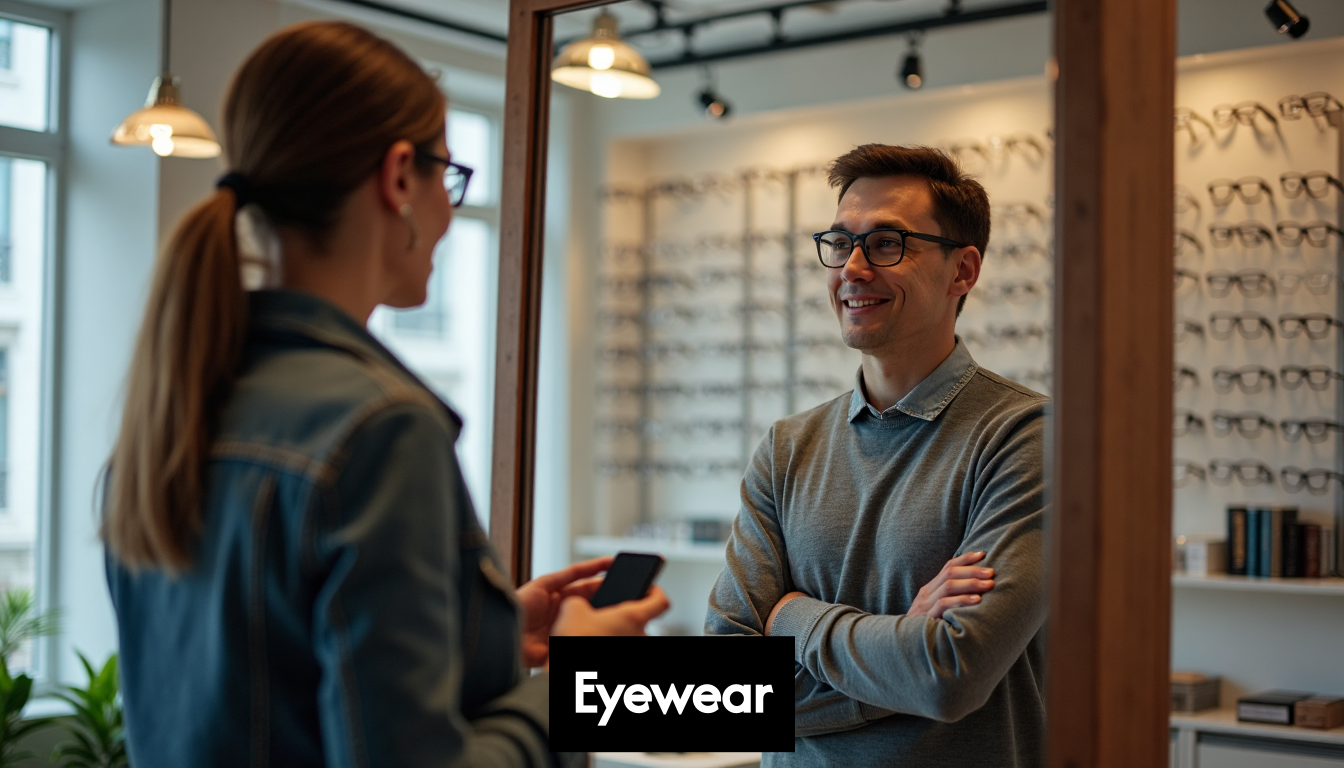
Selecting the right eyewear is a nuanced process that goes far beyond simply picking a frame that looks good. With over 11,500 dispensing opticians dedicated to helping patients find the perfect visual solution, the process of choosing and fitting eyewear has become a sophisticated blend of personal style, medical precision, and individual lifestyle needs.
Understanding Your Unique Vision Requirements
Every pair of eyes tells a unique story, and your eyewear should reflect that individuality. Dispensing opticians conduct a comprehensive assessment that considers multiple factors beyond your basic prescription. They examine how you use your eyes daily – whether you spend hours in front of digital screens, work in specific environments, or engage in particular sports or activities.
This personalised approach means your eyewear isn’t just a medical device, but a tailored solution. For instance, someone working in construction might need impact-resistant lenses, while a graphic designer might require specialized colour-corrective lenses. Opticians analyse your specific visual demands to recommend frames and lens technologies that provide optimal performance and protection.
Frame Selection: More Than Just Aesthetics
Choosing frames is an art form that balances personal style with functional requirements. Despite the UK having just over one optician per 10,000 people, these professionals are experts at matching frames to facial structures, personal styles, and practical needs.
The selection process involves careful consideration of face shape, skin tone, lifestyle, and professional requirements. An optician will help you select frames that not only complement your features but also provide comfort and durability. They consider factors like frame weight, material flexibility, nose pad design, and temple arm length to ensure a perfect fit. Modern eyewear technology offers materials ranging from lightweight titanium to flexible memory metals that adapt to your face shape.
Precision Fitting and Ongoing Adjustments
The final stage of eyewear selection is arguably the most critical – precise fitting. A poorly fitted pair of glasses can cause discomfort, headaches, and even exacerbate vision problems. Registered dispensing opticians use specialized tools and techniques to ensure your glasses sit perfectly on your face.
This involves meticulous adjustments to frame angles, checking the optical centre of the lens aligns perfectly with your pupil, and ensuring even weight distribution. They’ll also provide guidance on proper maintenance, cleaning techniques, and when to return for readjustments. Some opticians offer follow-up appointments to ensure your new eyewear continues to meet your evolving vision needs.
Choosing and fitting eyewear is a personalised journey that combines medical expertise, technical precision, and individual style. Your optician is not just a retailer but a vision health partner committed to helping you see the world with clarity, comfort, and confidence.
Knowing When to See Your Optician
Understanding when to seek professional eye care is crucial for maintaining optimal vision and overall eye health. With 28.5 million eye care appointments annually in the UK, there are clear indicators that suggest it is time to consult your optician beyond routine check-ups.
Recognising Vision Changes and Warning Signs
Vision changes can be subtle yet significant. Symptoms that warrant an immediate optician visit include persistent eye strain, frequent headaches, difficulty reading or focusing, sudden blurriness, or experiencing unusual visual disturbances. These could indicate underlying conditions ranging from simple prescription changes to more serious eye health issues.
People experiencing digital eye strain from prolonged screen time should pay special attention. Symptoms like dry eyes, eye fatigue, temporary blurred vision, and difficulty focusing between near and far distances are red flags. Your optician can recommend specialised lens coatings, blue light filtering technologies, or provide strategies to reduce eye strain.
Age-Related and Lifestyle Vision Considerations
Different life stages and lifestyle factors significantly impact eye health. With the UK’s optometrist workforce expected to grow by 38.2%, healthcare professionals are increasingly prepared to address diverse vision needs.
Children should have their first comprehensive eye examination around age three to four, with subsequent check-ups every one to two years. Adults aged 40-64 might experience presbyopia, requiring reading glasses or bifocals. Individuals over 65 should have annual eye exams to monitor age-related conditions like glaucoma, cataracts, and macular degeneration.
Proactive Health Screening and Early Detection
Opticians play a critical role in detecting early signs of systemic health conditions. Many serious health issues first manifest through eye examinations, including diabetes, hypertension, and autoimmune disorders. Regular eye check-ups are not just about vision correction but comprehensive health monitoring.
People with a family history of eye diseases, those managing chronic health conditions, or individuals with occupations requiring intense visual focus should schedule more frequent eye examinations. Smokers, individuals with high blood pressure, and those with a sedentary lifestyle are also at higher risk of developing eye-related health complications.
Remember, your eyes are complex and delicate organs that require professional care. Proactively scheduling regular check-ups and being attentive to changes in your vision can prevent potential long-term eye health issues. An optician is your partner in maintaining clear, comfortable vision throughout your life.
Opticians And Your Overall Eye Health
Opticians are far more than vision correction specialists; they are comprehensive guardians of your eye health, serving as critical frontline professionals in detecting, preventing, and managing various eye conditions. Community optometrists in the UK use hospital-grade equipment to play a pivotal role in preventing sight loss, transforming eye care from reactive treatment to proactive health management.
Comprehensive Health Screening Beyond Vision
Your eye examination is a sophisticated health assessment that extends well beyond checking your prescription. Opticians can detect early signs of systemic health conditions that may first manifest through changes in your eyes. Conditions like diabetes, hypertension, autoimmune disorders, and even certain cancers can leave subtle indicators during a comprehensive eye examination.
For instance, changes in retinal blood vessels can indicate early-stage diabetes, while inflammation patterns might suggest underlying autoimmune conditions. These insights allow for early intervention, potentially preventing more serious health complications. By using advanced diagnostic technologies, opticians transform a routine eye check into a holistic health screening opportunity.
Advanced Disease Detection and Management
Community optometrists have referred almost 100,000 people for glaucoma-related pathology and assessed over 800,000 people who are close relatives of someone with glaucoma in a single year. This statistic underscores their critical role in early disease detection and management.
Modern opticians are equipped with cutting-edge diagnostic tools like optical coherence tomography (OCT), which provides detailed 3D images of eye structures. These technologies enable them to detect subtle changes in eye health years before symptoms become apparent. For conditions like glaucoma, macular degeneration, and diabetic retinopathy, early detection can significantly improve treatment outcomes and potentially preserve vision.
Preventative Care and Personalised Health Strategies
With more than 28.5 million eye care appointments annually, UK opticians are developing increasingly sophisticated approaches to preventative eye care. They don’t just treat existing conditions but develop personalised strategies to maintain long-term eye health.
This approach involves comprehensive risk assessments considering factors like family history, lifestyle, occupation, and overall health. For individuals with higher risks of eye diseases, opticians can recommend specific protective measures, lifestyle modifications, and more frequent monitoring. They provide tailored advice on nutrition, screen time management, protective eyewear, and other factors that contribute to maintaining optimal eye health.
Your optician is more than a vision correction professional – they are a critical healthcare partner dedicated to preserving your eye health. By combining advanced diagnostic technologies, comprehensive health screening, and personalised preventative strategies, they play an essential role in maintaining your overall well-being. Regular eye examinations are not just about seeing clearly, but about ensuring your eyes remain healthy throughout your lifetime.
Frequently Asked Questions
What does an optician do during an eye examination?
An optician conducts comprehensive eye examinations, assessing visual acuity and overall eye health, and determining the exact prescription needed for glasses or contact lenses. They also look for signs of underlying health conditions.
How often should I see my optician for check-ups?
It is recommended to have an eye examination at least every two years. However, individuals over 65 or those with existing eye conditions should have annual check-ups to monitor their eye health more closely.
What should I consider when choosing eyewear?
When choosing eyewear, consider factors such as your visual demands, the shape of your face, your personal style, and specific needs like blue light blocking for extensive screen use. Your optician can provide tailored advice based on these factors.
Can an optician detect health issues beyond vision problems?
Yes, opticians can detect early signs of systemic health conditions like diabetes, hypertension, and autoimmune disorders during routine eye examinations, making them vital for your overall health management.
See Clearly, Live Fully – Experience Exceptional Eye Care at Northern Optical Company!
Understanding the important role your optician plays in your vision care is just the beginning. Did you know that regular check-ups can uncover early signs of systemic health issues? At Northern Optical Company, we prioritise not just your vision, but your overall health! Our dedicated team offers comprehensive eye exams, enhanced examinations with state-of-the-art technology, and even home visit eye tests to ensure that everyone can access the care they need.
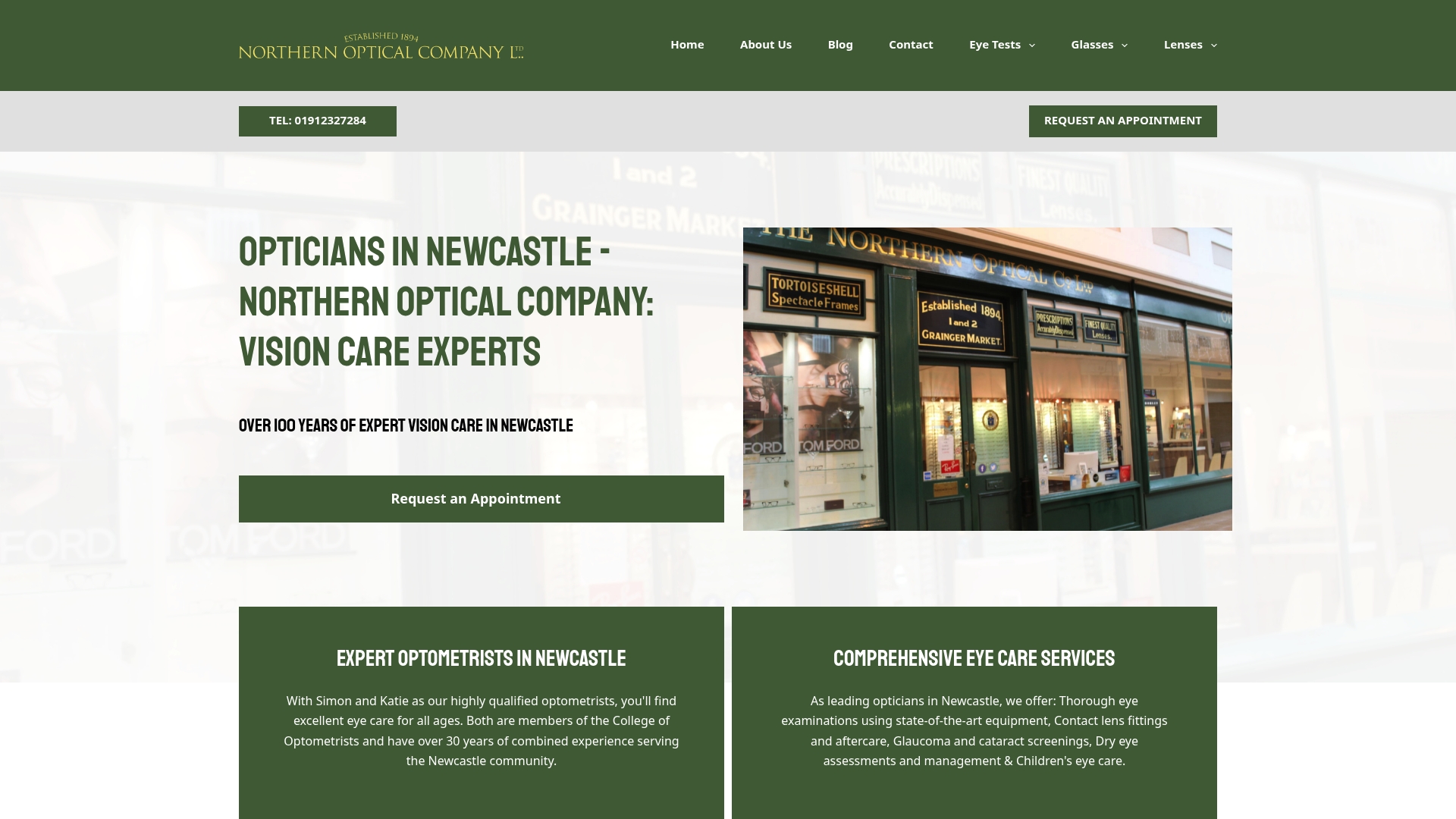
Don’t wait for symptoms to arise! Experience the peace of mind that comes from proactive eye health management. Book your appointment today and let our family-run optician practice guide you towards clearer vision and a brighter future. 👉 Visit us now at https://northernopticalcompany.com!