
Contact lenses promise crisp, convenient vision for over four million people in the UK. Here’s the catch. Reusable contact lens users face nearly four times the risk of serious eye infections compared to daily disposables. Most would blame poor lens quality or bad luck. The real problem begins with the tiny hygiene habits most people ignore.
Table of Contents
- Everyday Hygiene Tips For Contact Lens Users
- Customised Advice For Different Lifestyles And Ages
- How To Spot And Prevent Contact Lens Complications
- Contact Lens Tips For Those With Special Eye Needs
Quick Summary
| Takeaway | Explanation |
|---|---|
| Proper Hand Hygiene is Essential | Always wash hands with soap and water for at least 20 seconds before handling contact lenses to reduce infection risk. |
| Follow Lens Care Protocols | Use recommended cleaning solutions and store lenses properly; replace lens cases every three months to maintain hygiene. |
| Regular Eye Check-Ups are Crucial | Schedule frequent professional assessments to ensure lens fit and eye health, and to catch any early signs of complications. |
| Adapt Lenses to Your Lifestyle | Choose contact lenses that fit your specific professional and personal needs, like blue light filtering for office workers or UV protection for outdoor activities. |
| Be Vigilant for Complications | Recognise early warning signs of complications, such as persistent eye pain or unusual redness, and seek immediate professional advice if these occur. |
Everyday Hygiene Tips for Contact Lens Users
Contact lens hygiene represents a critical foundation for maintaining healthy eyes and preventing potential infections. Every contact lens wearer must understand that proper daily care goes far beyond simply inserting and removing lenses—it requires a meticulous approach to cleanliness and personal eye health.
Hand Hygiene: Your First Line of Defence
Before touching contact lenses, washing your hands becomes a non-negotiable step. According to the British Contact Lens Association, thoroughly cleaning hands with soap and water eliminates harmful bacteria that could potentially transfer to your eyes. This simple action significantly reduces the risk of eye infections.
When washing hands, follow these precise steps:
- Use liquid soap rather than bar soap
- Wash for at least 20 seconds
- Dry hands completely with a lint-free towel
- Avoid touching lens surfaces with dirty fingers
Lens Cleaning and Storage Protocols
Proper lens maintenance extends far beyond daily cleaning. Research from Leightons Opticians emphasises that using only recommended contact lens solutions is crucial. Never substitute solutions with water, saliva, or other liquids, as these can introduce dangerous microorganisms.
Critical lens care practices include:
- Cleaning lenses daily with fresh solution
- Rubbing and rinsing lenses before storing
- Replacing your lens case every three months
- Keeping storage cases clean and dry between uses
Regular Replacement and Professional Check-ups
Contact lenses are not eternal accessories. They require consistent monitoring and timely replacement. Most manufacturers recommend changing lenses according to their specific schedule—whether daily, fortnightly, or monthly. Wearing lenses beyond their recommended usage increases infection risks and potential eye complications.
Schedule regular eye examinations with your optometrist to ensure your contact lenses continue fitting correctly and your eye health remains optimal. These professional assessments can detect early signs of potential issues before they become serious problems.
Remember: Your eyes are delicate organs. Treating contact lens hygiene as a priority isn’t just about maintaining clear vision—it’s about protecting your long-term eye health. A few minutes of careful attention each day can prevent weeks of potential discomfort and medical interventions.
Customised Advice for Different Lifestyles and Ages
Contact lens technology has evolved dramatically, offering personalised solutions for diverse lifestyles and age groups. Understanding these nuanced requirements ensures optimal eye health and visual performance across different life stages and professional contexts.
Professional Performance Requirements
Different professional environments demand specific contact lens considerations. For drivers, contact lenses play a crucial role in visual safety. Research indicates approximately 720,000 motorists on Britain’s roads currently manage vision challenges, making appropriate lens selection critical.
Specialised professions have unique lens requirements. Pilots and air traffic controllers, for instance, must adhere to strict visual standards. The Civil Aviation Authority specifies that contact lenses must be mono-focal, non-tinted, and preferably silicon hydrogel to ensure optimal oxygen transmission and visual clarity.
Athletes and active professionals benefit from sports-specific contact lens designs that provide enhanced stability during movement, reduced glare, and improved peripheral vision. These specialised lenses help maintain visual performance under demanding physical conditions.
Age-Specific Lens Adaptation
Contact lens needs vary significantly across age groups. Children and teenagers require different considerations compared to adult and senior lens wearers. Younger wearers often need more flexible, impact-resistant lens materials, while older individuals might require lenses that address age-related vision changes like presbyopia.
For seniors, multifocal contact lenses offer an excellent solution. These innovative designs provide clear vision at multiple distances, accommodating natural age-related vision transitions. Optometrists recommend gradual adaptation, starting with shorter wearing periods and progressively increasing lens wearing time.

Younger contact lens wearers should focus on developing consistent hygiene habits. Leightons Opticians recommends a minimum wearing time of 8 hours a day, 5 days a week, for at least one month to achieve comfortable adaptation and establish proper lens care routines.
Lifestyle-Specific Lens Selection
Urban professionals, frequent travellers, and individuals with dynamic work environments require contact lenses that accommodate varied lighting conditions and extended screen time. Lenses with blue light filtering capabilities and high moisture retention become increasingly important for maintaining eye comfort during long working hours.
For individuals with active outdoor lifestyles, UV-protective contact lenses offer an additional layer of eye protection. These specialised lenses help shield eyes from harmful solar radiation while providing clear, comfortable vision during sports, hiking, or daily outdoor activities.
Individuals with specific medical conditions like dry eye syndrome or allergies should consult their optometrist for tailored lens recommendations. Silicone hydrogel materials and daily disposable lenses often provide the most comfortable and hygienic options for these wearers.
Remember: Contact lens selection is not one-size-fits-all. Your unique lifestyle, professional requirements, and age-specific vision needs should guide your lens choice. Regular consultations with eye care professionals ensure you receive personalised recommendations that enhance both visual performance and overall eye health.
How to Spot and Prevent Contact Lens Complications
Contact lens complications can emerge unexpectedly, transforming a routine vision correction method into a potential health risk. Understanding the early warning signs and preventative strategies becomes crucial for maintaining optimal eye health and preventing serious infections.
Understanding Infection Risks
Research from University College London reveals that reusable contact lens wearers are nearly four times more likely to develop serious eye infections compared to daily disposable lens users. The primary culprit behind these complications is often inappropriate lens care and exposure to water.
Critical risk factors include:
- Wearing lenses while swimming
- Showering with lenses
- Using tap water to clean lenses
- Sleeping with contact lenses
- Extended wear beyond recommended duration
Recognising Early Warning Signs
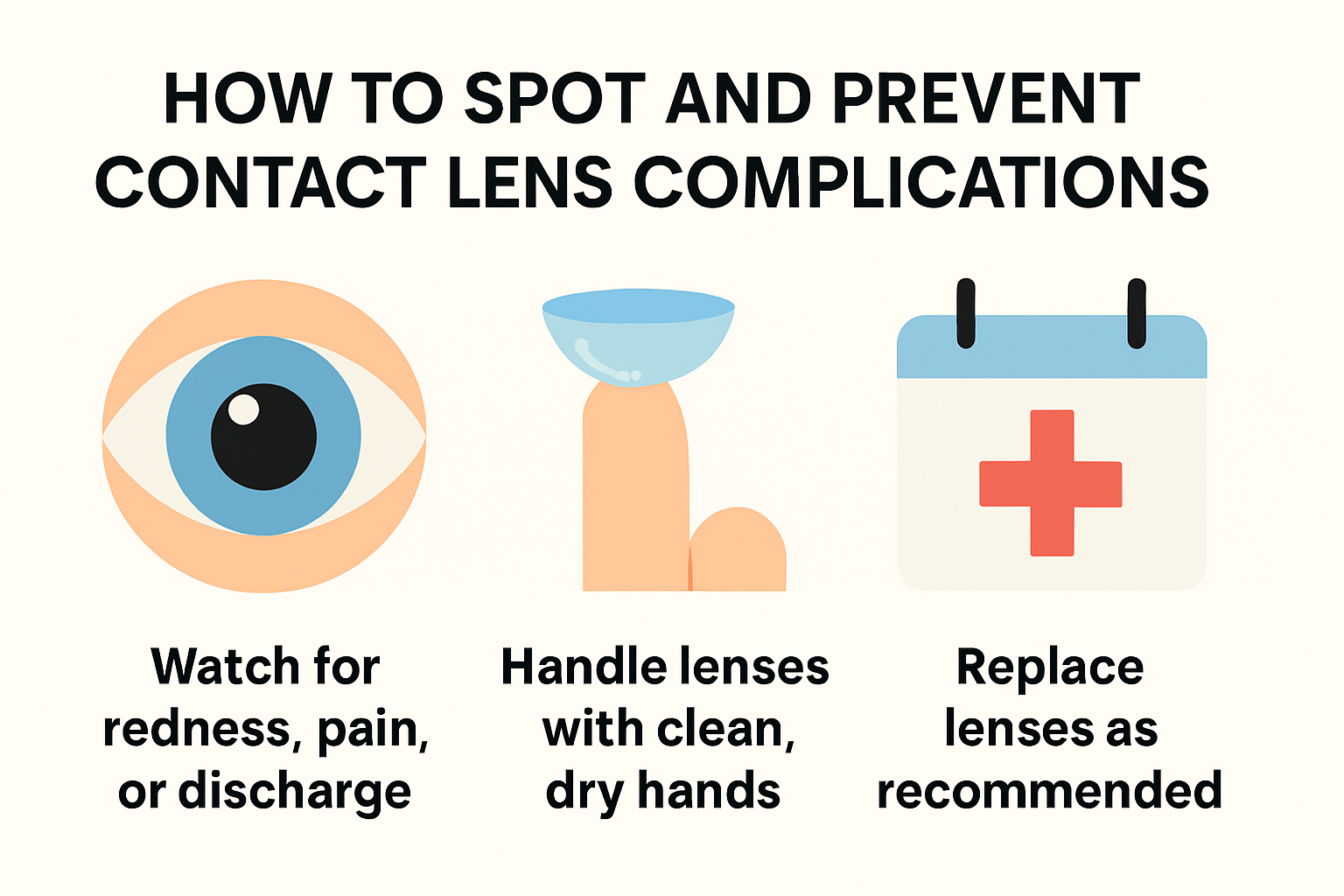
According to Patient.info medical resources, approximately 6% of contact lens wearers experience complications annually. Recognising early symptoms can prevent progression to serious conditions. Watch for these warning signs:
- Persistent eye pain
- Unusual redness
- Excessive tearing
- Sensitivity to light
- Sudden vision changes
- Burning or stinging sensations
- Unusual discharge
Any combination of these symptoms requires immediate professional medical assessment. Do not continue wearing contact lenses if these signs appear.
Prevention and Professional Management
Preventing contact lens complications requires a disciplined approach. Medical experts recommend specific strategies to minimise infection risks:
- Always wash hands thoroughly before lens handling
- Replace lens cases every three months
- Use recommended disinfecting solutions
- Follow manufacturer’s wearing schedule
- Remove lenses before swimming or showering
- Schedule regular eye examinations
Microbial keratitis represents the most serious potential complication. Bacteria like Pseudomonas and Klebsiella can cause significant eye damage, potentially requiring intensive antibiotic treatment or even hospital admission in severe cases.
Daily disposable lenses offer the lowest infection risk, as they are discarded after each use, eliminating potential contamination from improper cleaning. For individuals with sensitive eyes or prone to infections, these lenses provide an additional layer of protection.
Remember: Your eyes are delicate. Proper contact lens care is not optional—it’s a critical health practice. When in doubt, consult your optometrist. Regular professional check-ups can detect potential issues before they become serious health concerns.
Contact Lens Tips for Those With Special Eye Needs
Individuals with unique eye conditions require specialised approaches to contact lens wear. Understanding the nuanced challenges and tailored solutions becomes crucial for maintaining optimal eye health and visual comfort.
Managing Complex Vision Conditions
Research indicates that 98% of new lens fits in the UK are soft contact lenses, offering remarkable versatility for diverse vision needs. For individuals with conditions like astigmatism, keratoconus, or presbyopia, modern contact lens technologies provide targeted solutions.
Specialised lens types address specific vision challenges:
- Toric lenses for astigmatism correction
- Multifocal lenses for age-related vision changes
- Rigid gas permeable lenses for irregular corneal shapes
- Scleral lenses for extreme corneal irregularities
Medical Conditions and Lens Considerations
Moorfields Eye Hospital emphasises that over four million UK residents wear contact lenses, but individual medical conditions significantly impact lens suitability. Certain health circumstances require careful consultation and specialised approaches.
Key medical considerations include:
- Diabetes and potential corneal sensitivity
- Autoimmune disorders affecting eye moisture
- Allergic conditions
- Chronic dry eye syndrome
- Ongoing eye infections
Special Circumstances and Safety Guidelines
Guide Dogs UK provides critical guidance for lens wear during medical challenges. Importantly, contact lenses must not be worn during active eye infections or when experiencing systemic illnesses that might compromise eye health.
Additional safety recommendations for special needs wearers:
- Schedule more frequent optometrist consultations
- Use preservative-free solutions
- Consider daily disposable lenses
- Monitor lens comfort meticulously
- Maintain strict hygiene protocols
For individuals with sensitive eyes or complex medical histories, consultation with an eye care professional becomes paramount. They can provide personalised recommendations addressing individual physiological requirements and potential limitations.
People with autoimmune conditions like rheumatoid arthritis or lupus might experience reduced tear production, necessitating special moisture-retaining lenses. Similarly, those undergoing hormonal treatments might need more frequent lens adjustments due to potential eye surface changes.
Remember: Contact lenses are not a universal solution. Your unique eye health, medical background, and specific vision needs determine the most appropriate lens strategy. Professional guidance ensures safe, comfortable vision correction tailored precisely to your individual requirements.
Frequently Asked Questions
What are the best hygiene practices for contact lens wearers?
Proper hygiene includes washing your hands thoroughly with soap and water before handling contact lenses, using recommended cleaning solutions, and regularly replacing your lens case every three months to minimize infection risk.
How often should I replace my contact lenses?
You should replace your contact lenses according to the manufacturer’s recommendations, which typically ranges from daily to monthly, depending on the type of lens you use. Wearing them beyond the recommended period increases the risk of eye infections.
How can I tell if my contact lenses are causing problems?
Watch for symptoms such as persistent eye pain, unusual redness, excessive tearing, sensitivity to light, or sudden vision changes. If you experience any of these, remove your lenses and seek immediate professional advice.
Are daily disposable lenses safer than reusable lenses?
Yes, daily disposable lenses are generally considered safer as they are discarded after each use, reducing the risk of contamination and serious eye infections compared to reusable lenses that require proper cleaning and maintenance.
Keep Your Eyes Safe and Stylish with Northern Optical Company!
When it comes to contact lens hygiene, maintaining healthy eyes is crucial. As highlighted in the article, improper handling and care can lead to serious infections. That’s why we’re here to empower you with personalised eye care solutions tailored to your unique lifestyle and needs.
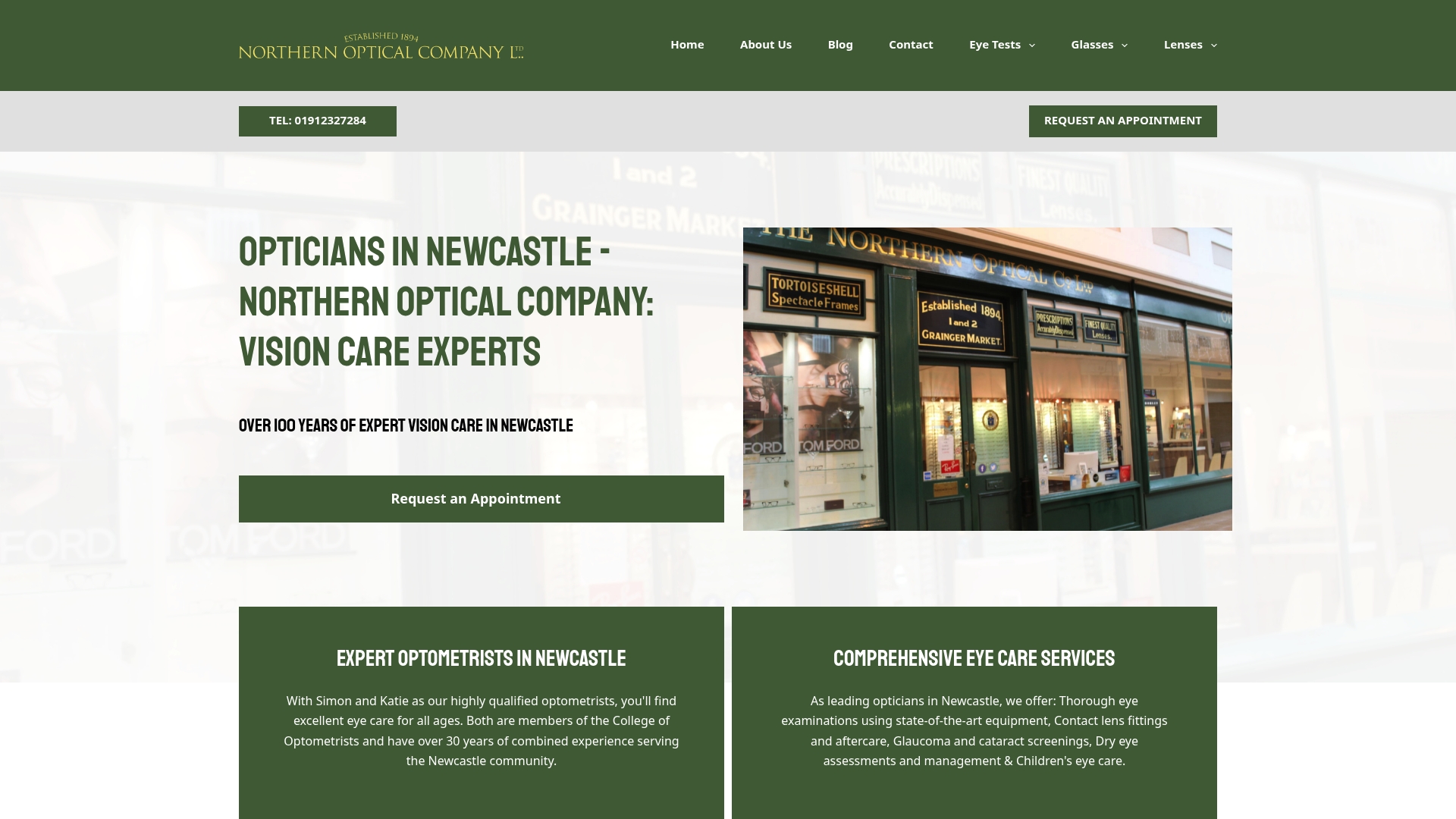
At Northern Optical Company, our experienced team offers:
- Comprehensive eye tests, including enhanced examinations with the latest technology.
- Expert advice on customised lens care and safety protocols.
- A wide range of stylish and comfortable daily contact lenses.
Don’t compromise on your eye health or style. Visit us today for a consultation and discover how we can keep your vision clear and your eyes happy! Your long-term eye health starts at Northern Optical Company. Act now, and let’s make sure your contact lens experience is not just safe but also stylish!