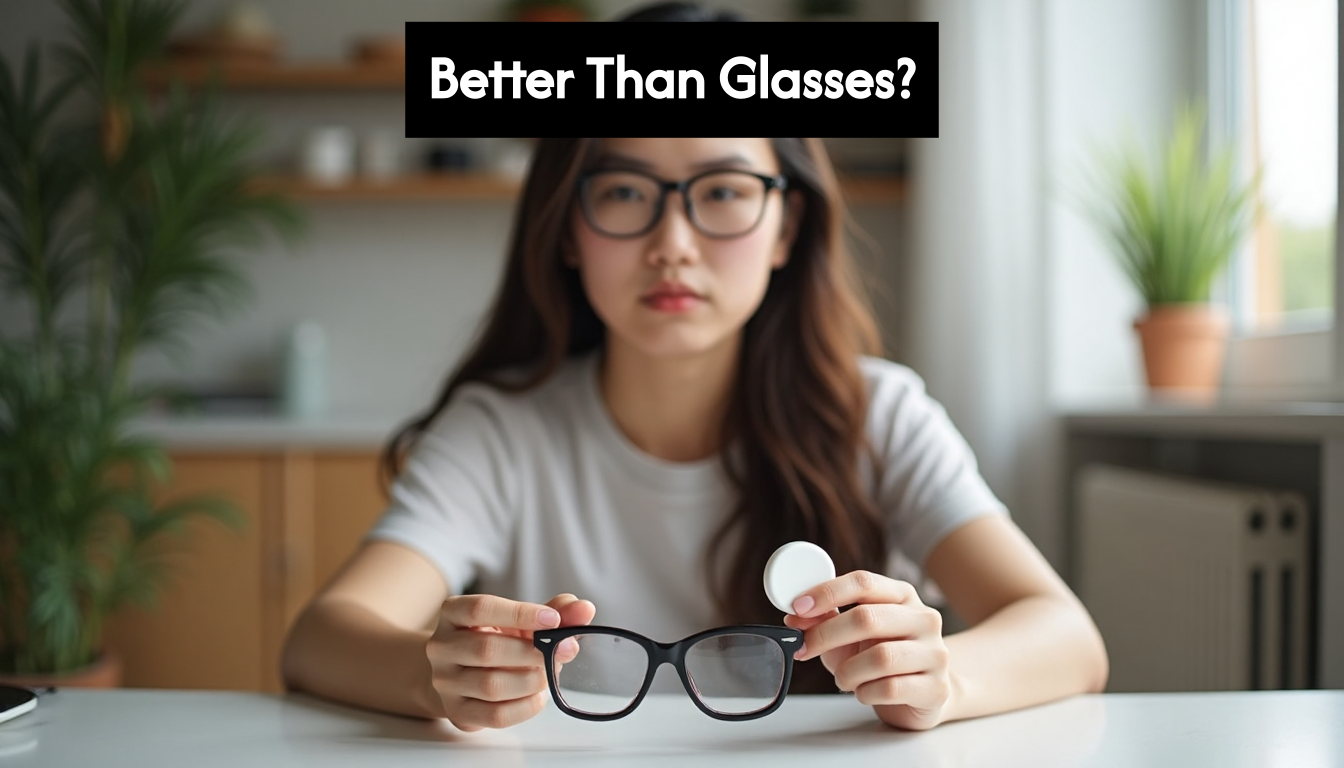
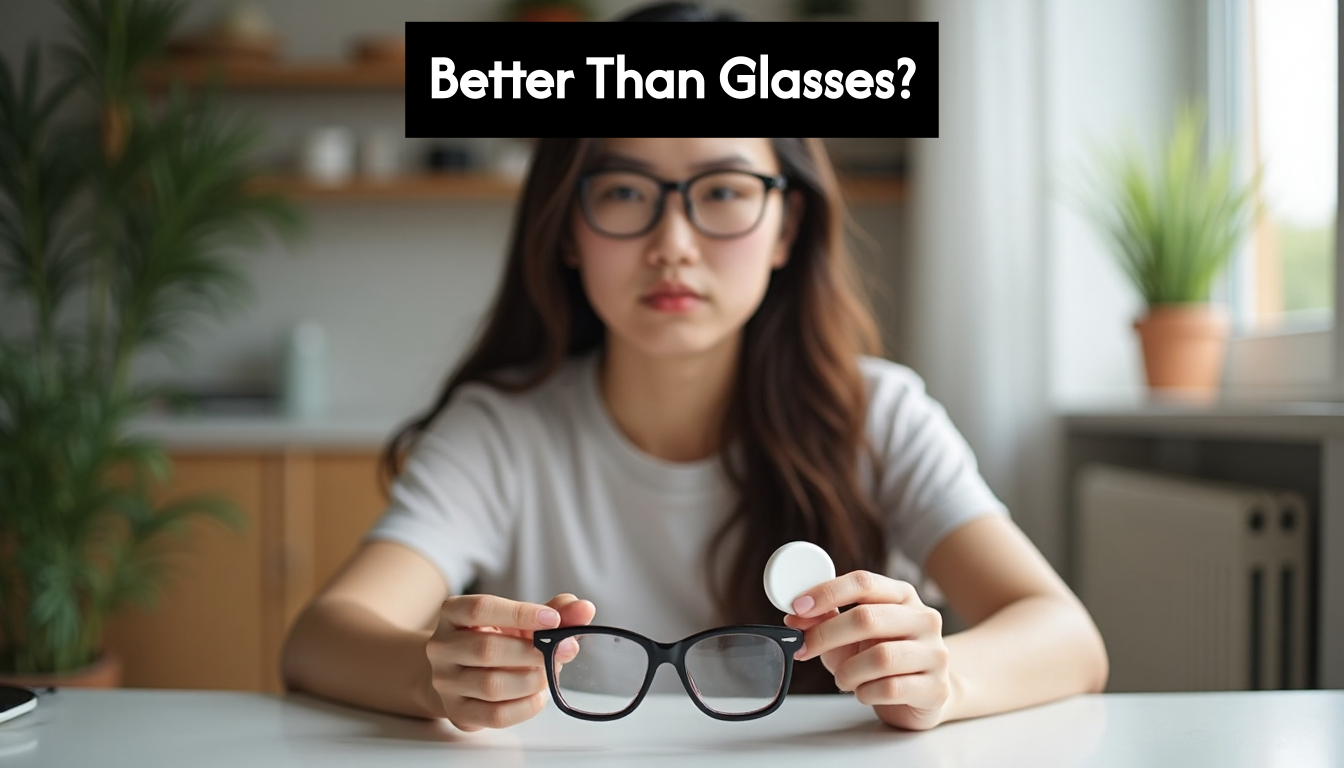
Deciding between contact lenses and glasses can shape every part of your daily routine, from how you exercise to what you spend each year on vision care. Most assume contact lenses are the modern, obvious pick for active lifestyles. Yet, over 60 percent of UK adults still prefer glasses over contacts, according to recent research. That figure may leave you wondering what makes glasses such a compelling choice in a world obsessed with innovation. The surprising reality is that comfort, cost and even long-term health play a much bigger role than style alone.
Table of Contents
- Comparing Comfort And Convenience In Daily Life
- Vision Quality And Eye Health: What To Expect
- Lifestyle Considerations For Different Groups
- Cost, Maintenance, And Long-Term Value
Quick Summary
| Takeaway | Explanation |
|---|---|
| Comfort and Mobility Varies | Contact lenses offer superior freedom of movement, making them ideal for athletes, while glasses protect sensitive eyes from environmental irritants. |
| Maintenance Needs Differ | Contacts require daily cleaning and careful handling, whereas glasses need less upkeep, making them more convenient for busy lifestyles. |
| Choice Influenced by Lifestyle | Professionals may prefer glasses with blue light filters, while younger individuals might opt for contacts for aesthetics and versatility. |
| Cost Implications Matter | Contact lenses can incur higher annual expenses due to ongoing costs, while glasses represent a one-time investment with potentially lower long-term costs. |
| Health Considerations Are Key | Regular eye examinations are crucial for all vision correction methods to ensure ongoing eye health and adjust strategies as needed. |
Comparing Comfort and Convenience in Daily Life
Choosing between contacts and glasses involves more than just visual correction. Your daily lifestyle, personal comfort, and practical considerations play crucial roles in determining the most suitable option for your vision needs.
Physical Comfort and Mobility
When it comes to physical activities and daily movement, each vision solution offers unique advantages. Research from YouGov Profiles suggests that comfort remains a primary concern for most vision correction users.
Contact lenses provide exceptional freedom of movement. Athletes and active individuals often prefer contacts because they eliminate frame restrictions and offer unobstructed peripheral vision. Imagine playing football, running, or cycling without glasses bouncing or potentially falling off. Contacts conform directly to your eye, creating a seamless visual experience that glasses cannot match.
However, glasses have their own comfort advantages. For individuals with sensitive eyes or those prone to dryness, glasses create a protective barrier against environmental factors like wind, dust, and allergens. They require minimal daily maintenance compared to contacts, which need careful cleaning and handling.
Daily Maintenance and Convenience
Contact lens maintenance involves:
- Daily cleaning and disinfection
- Careful handling to prevent eye infections
- Regular replacement of lens cases
- Purchasing solution and replacement lenses
Glasses maintenance typically includes:
- Occasional lens cleaning
- Frame adjustment
- Simple storage in a protective case
Eyewear experts recommend that glasses generally require less daily upkeep and are more comfortable for long-term wear. This makes them an attractive option for people with busy lifestyles or those who prefer minimal routine management.
Lifestyle and Personal Preferences
Your personal lifestyle significantly influences the comfort and convenience of your vision correction choice. Research from Leigh Tons highlights that individuals with specific needs may find one option more suitable than the other.
Professionals who spend long hours in front of digital screens might prefer glasses with blue light filtering capabilities. Those involved in sports or high-movement activities might lean towards contact lenses for their flexibility and unobstructed vision.
People with sensitive eyes or those prone to allergies might find glasses more comfortable, as they provide a protective barrier against environmental irritants. Conversely, individuals who value a natural appearance without visible eyewear might opt for contact lenses.
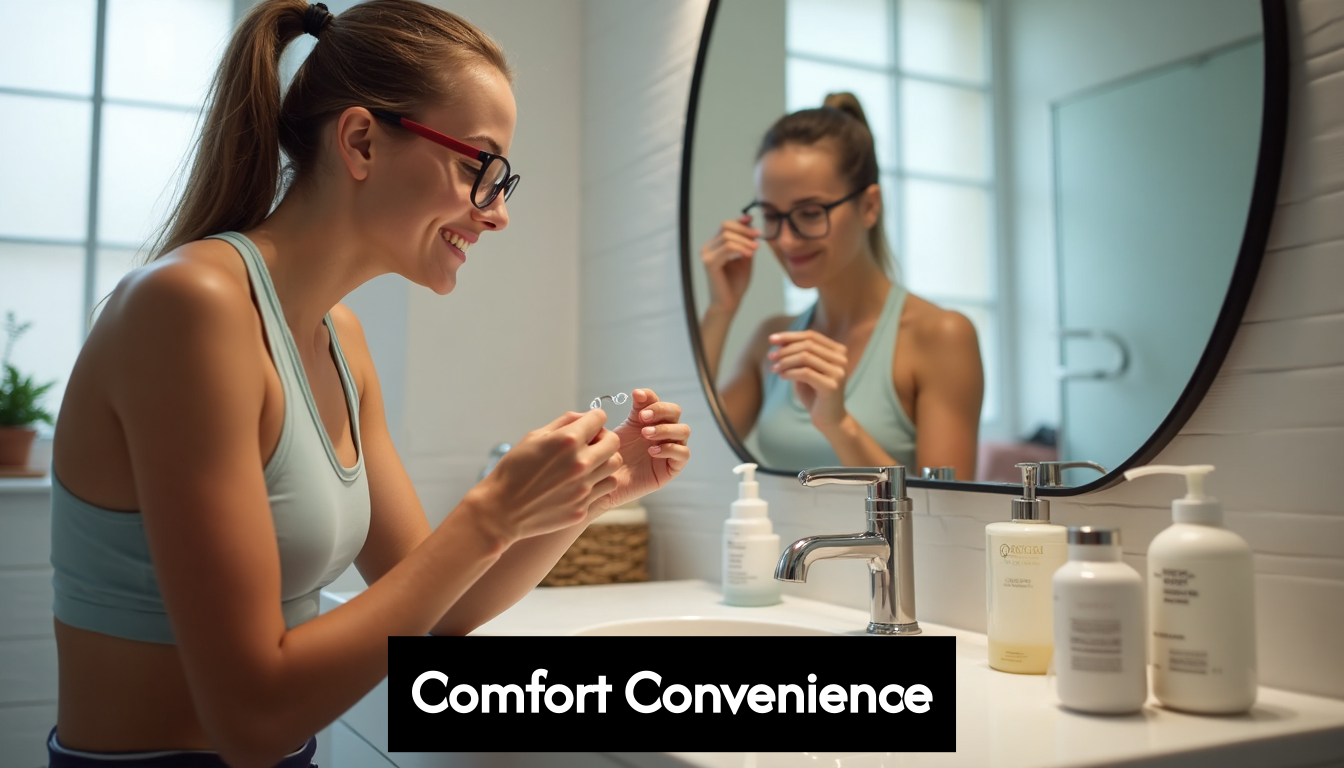
Ultimately, the choice between contacts and glasses is personal. Consider your daily activities, eye health, comfort level, and maintenance preferences when making your decision. At Northern Optical Company, our expert team can help you navigate these considerations and find the perfect vision solution tailored to your unique lifestyle.
Vision Quality and Eye Health: What to Expect
Understanding the impact of contact lenses and glasses on vision quality and long-term eye health is crucial for making an informed decision about your vision correction method.
Visual Acuity and Field of View
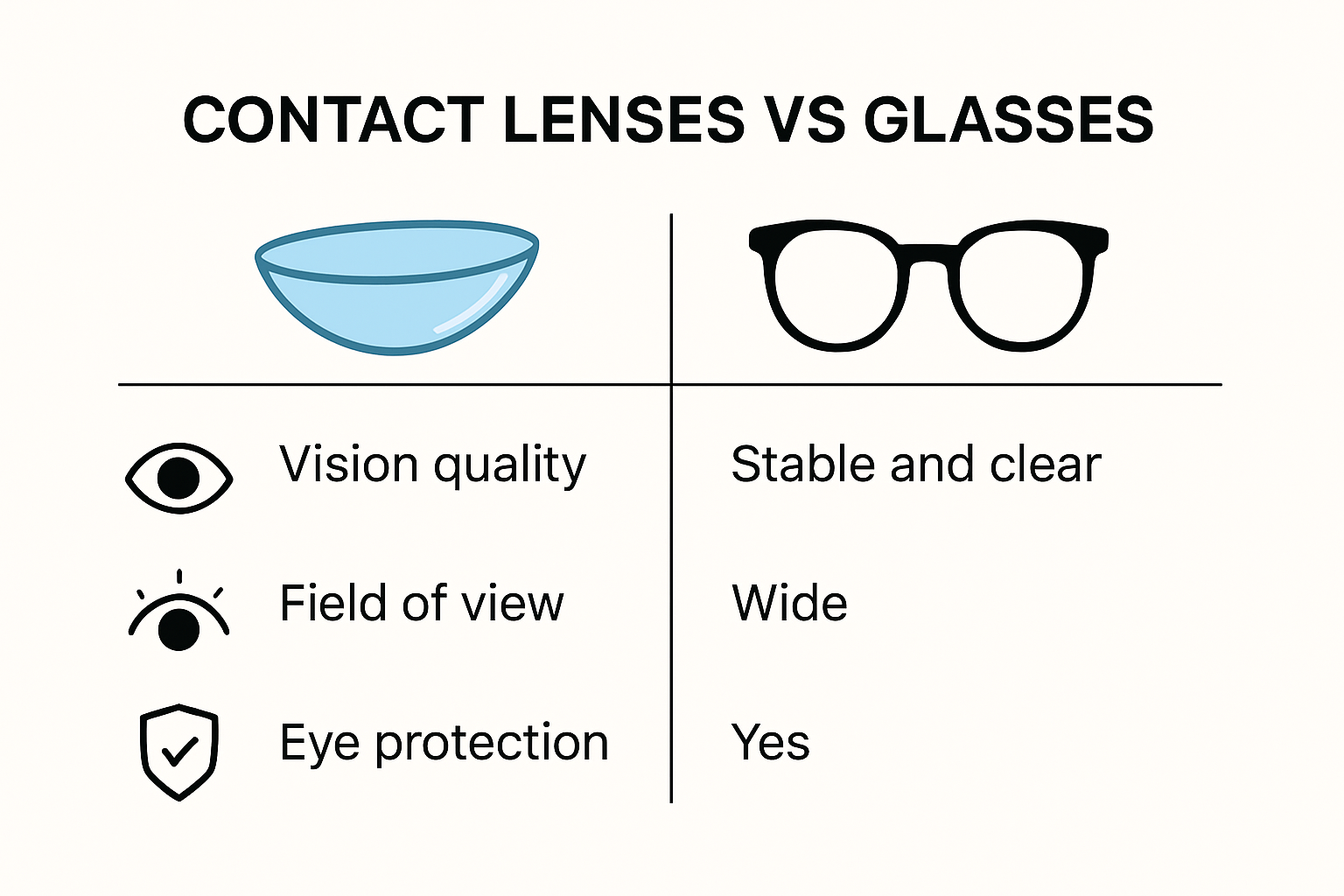
Research from London Vision Clinic reveals that contact lenses offer superior visual acuity by fitting directly onto the cornea. This unique positioning allows them to bend light more effectively, providing sharper and more precise vision correction compared to traditional glasses.
Contact lenses conform precisely to the eye’s curvature, creating an uninterrupted visual experience. Research from All About Vision indicates that this design provides a wider field of view with minimal visual distortions. Unlike glasses, which can have peripheral vision limitations due to frame edges, contacts offer an almost seamless visual perception.
Eye Health and Protection Considerations
While contacts provide exceptional visual clarity, they also require meticulous care to prevent potential eye health risks. Improper handling or extended wear can increase the likelihood of eye infections, corneal abrasions, and oxygen deprivation to the eye surface.
Glasses, in contrast, offer inherent protective benefits. All About Vision research highlights that glasses create a physical barrier against environmental elements like dust, wind, and harmful UV rays. Modern lens technologies, such as photochromic lenses, can automatically adjust light transmission, providing additional eye comfort and protection.
Long-Term Vision Health Strategies
Making an informed choice about vision correction involves considering more than immediate visual performance. Learn more about comprehensive eye health strategies to ensure your vision remains optimal throughout different life stages.
Individuals with specific eye conditions, such as dry eye syndrome or allergies, might find glasses more suitable. The reduced need for direct eye contact during application and removal minimises potential irritation. Conversely, those with active lifestyles or specific professional requirements might prefer the unrestricted vision provided by contact lenses.
Regular eye examinations remain the most critical factor in maintaining vision health, regardless of your chosen vision correction method. Our optometrists recommend annual comprehensive eye tests to monitor changes in vision, assess eye health, and adjust your vision correction strategy accordingly.
At Northern Optical Company, we understand that vision correction is a personal journey. Our expert team provides personalised advice, helping you select the most appropriate solution that balances visual performance, comfort, and long-term eye health.
Lifestyle Considerations for Different Groups
Vision correction is not a one-size-fits-all solution. Different lifestyles, professional demands, and personal activities significantly influence whether contacts or glasses might be the most suitable option.
Athletes and Active Individuals
Research from Ultra Focus reveals that contact lenses provide a wider, more natural field of vision without any physical obstructions. For athletes and physically active people, this translates to significant advantages.
Runners, cyclists, and gym enthusiasts benefit from contacts because they eliminate the risk of glasses slipping during intense movements. Football players, dancers, and yoga practitioners find contacts particularly advantageous as they move seamlessly with eye movement, providing uninterrupted visual clarity.
The Optical Factory research suggests that for high-intensity activities like martial arts, rock climbing, or team sports, contacts offer more stability and reduce the risk of glasses being knocked off or damaged.
Professional and Digital Workplace Environments
Professional settings present unique vision correction challenges. Office workers and digital professionals have different requirements compared to those in physically demanding roles.
For individuals spending extensive hours in front of computer screens, glasses with specialised lens coatings can provide critical protection. Blue light filtering technologies help reduce eye strain and potential digital eye fatigue. Glasses also offer a more professional appearance in corporate environments.
Consultants, teachers, and professionals who frequently switch between digital devices and printed materials might find glasses more convenient. The ability to quickly put on and remove glasses during presentations or meetings provides practical advantages.
Age-Specific Vision Considerations
Age and life stage play crucial roles in determining the most appropriate vision correction method. Check our guide on comprehensive eye health strategies for more detailed insights.
Younger adults and students might prefer contacts for their versatility and aesthetic appeal. Contacts allow them to maintain a natural appearance during social interactions and sporting activities. They’re particularly useful for those involved in drama, performance arts, or frequent social networking.
Middle-aged professionals often appreciate the flexibility of having both contacts and glasses. This allows them to switch between vision correction methods based on daily activities. For instance, using contacts during exercise and glasses during office work.
Older adults might find glasses more comfortable, especially if they have additional vision correction needs like reading glasses or experience more eye sensitivity. The reduced maintenance and easier handling make glasses a practical choice for those who prefer simplicity.
At Northern Optical Company, we understand that vision correction is a deeply personal choice. Our expert optometrists provide tailored advice, considering your unique lifestyle, professional requirements, and personal preferences to help you make the most informed decision about your eye health.
Cost, Maintenance, and Long-Term Value
Choosing between contact lenses and glasses involves more than just visual performance. Understanding the financial implications and long-term value is crucial for making an informed decision that aligns with your budget and lifestyle.
Annual Expenses and Initial Investment
Research from Contact Lenses UK reveals that contact lens expenses can range from £228 to £575.76 annually, depending on whether you choose daily or monthly disposables. This cost includes not just the lenses themselves, but also potential expenses for cleaning solutions and storage cases.
Glasses, by comparison, typically involve a one-time investment. A quality pair of prescription glasses might cost more upfront but can last several years with proper care. Safari and Simon research indicates that full-time contact lens users can expect annual expenses between £350 and £550, making glasses a potentially more economical choice for budget-conscious individuals.
Maintenance and Replacement Costs
Contact lenses require consistent financial commitment. Daily disposable lenses eliminate the need for cleaning solutions but come at a higher per-unit cost. Monthly lenses demand additional investment in cleaning solutions, storage cases, and potentially replacement accessories.
Glasses offer more predictable maintenance expenses. Basic cleaning can be done with minimal cost using microfibre cloths and lens cleaning solutions. Frame repairs or adjustments are typically less expensive than replacing an entire set of contact lenses.
Long-Term Financial and Health Considerations
A YouGov survey found that 17% of UK adults perceive glasses as a more cost-effective vision correction method. This perception stems from lower recurring costs and reduced ongoing maintenance requirements.
Beyond direct financial considerations, potential health-related expenses should be factored into your decision. Contact lens wearers might incur additional costs for eye examinations to monitor potential complications like corneal health or dry eye syndrome. Learn more about comprehensive eye health strategies to understand these long-term health implications.
Some individuals find value in maintaining both glasses and contacts, allowing flexibility across different activities and reducing wear on a single vision correction method. This approach can potentially extend the lifespan of both glasses and contact lenses, offering a balanced financial strategy.
At Northern Optical Company, we understand that vision correction is a personal investment. Our expert team provides transparent advice, helping you navigate the financial aspects of your vision correction choices while ensuring optimal eye health and comfort. We believe in finding a solution that not only meets your visual needs but also aligns with your budgetary considerations.
Frequently Asked Questions
Are contact lenses better for athletes?
Contact lenses are often preferred by athletes due to their superior freedom of movement and unobstructed peripheral vision, making them more suitable for high-intensity activities.
What are the maintenance requirements for contact lenses compared to glasses?
Contact lenses require daily cleaning, careful handling, and regular replacements, whereas glasses typically require only occasional cleaning and frame adjustments, making them more convenient for many users.
How do contact lenses and glasses affect vision quality?
Contact lenses fit directly on the eye, providing sharper visual acuity and a wider field of view compared to glasses, which can have limitations due to frame edges.
What are the long-term costs associated with contacts versus glasses?
Contacts generally incur higher annual expenses due to ongoing costs for lenses and cleaning solutions, while glasses represent a one-time investment with potentially lower long-term costs.
Find the Right Vision Solution for Your Everyday Life
Struggling to decide between the comfort of glasses and the flexibility of contact lenses? You are not alone. Many readers who explore the differences between contacts and glasses—like those highlighted in our 2025 guide—share similar worries. You might be concerned about daily maintenance, long-term health, or the costs that add up over time. If your goal is to find a vision solution that feels right for your lifestyle, from active sports to busy workdays, Northern Optical Company is here to help.
Take the next step with eye care that truly understands your needs. Whether you want stylish glasses for your workdays, safe and comfortable eyewear for active kids, or reliable daily contact lenses, our dedicated team offers honest advice and expert fittings. Discover more about how our personalised eye care and wide range of options can make a difference. Visit Northern Optical Company today or book your appointment to experience genuinely caring, local opticians who prioritise your comfort and clarity every day.
Recommended Articles