
Getting ready for an eye test seems simple. Yet missing one step could mean overlooking more than just your prescription. A thorough eye exam can spot early signs of diabetes, glaucoma and even heart problems in up to 12 percent of patients. Most people expect a quick check of their vision, but the truth is your next appointment could be the most important health screening you have all year. Here is what you need to know before you walk through that door.
Table of Contents
- Understanding Your Upcoming Eye Test
- Essential Steps Before Your Appointment
- Special Advice For Specific Groups
- Questions To Ask Your Optician
Quick Summary
| Takeaway | Explanation |
|---|---|
| Comprehensive Eye Test Importance | An eye test assesses visual health and can detect underlying medical conditions, not just measure vision clarity. |
| Preparation Essentials | Bring necessary items such as current medications, existing glasses or contacts, and notes about visual tasks to ensure a thorough examination. |
| Tailored Advice for Specific Groups | Different groups, including seniors and individuals with special needs, require specific considerations and assessments during eye examinations. |
| Proactive Health Inquiries | Ask questions related to your vision status and health risks to gain valuable insights and promote long-term eye health. |
| Follow-up and Future Care Planning | Discuss follow-up requirements and corrective options with your optician to remain proactive about your eye care and vision management. |
Understanding Your Upcoming Eye Test
An eye test is more than just reading letters on a chart. It is a comprehensive health assessment that provides crucial insights into your overall visual well-being and potential underlying medical conditions. Understanding what happens during your upcoming eye examination can help you feel more prepared and relaxed.
What Happens During a Professional Eye Examination
A professional eye examination is a detailed process designed to evaluate multiple aspects of your visual health. When you arrive at our comprehensive eye care facility, an experienced optometrist will conduct a series of precise assessments.
According to the College of Optometrists, the examination typically involves several key components. First, your optometrist will review your medical history and discuss any specific vision concerns you might have. They will examine your eyes both externally and internally, using specialised instruments like visual field analysers and auto-refractors.
The examination will include tests to assess:
- Visual Acuity: Measuring how clearly you can see at different distances
- Refraction: Determining your precise lens prescription
- Eye Movement: Checking how well your eyes work together
- Peripheral Vision: Evaluating your side vision capabilities
Preparing Effectively for Your Eye Test
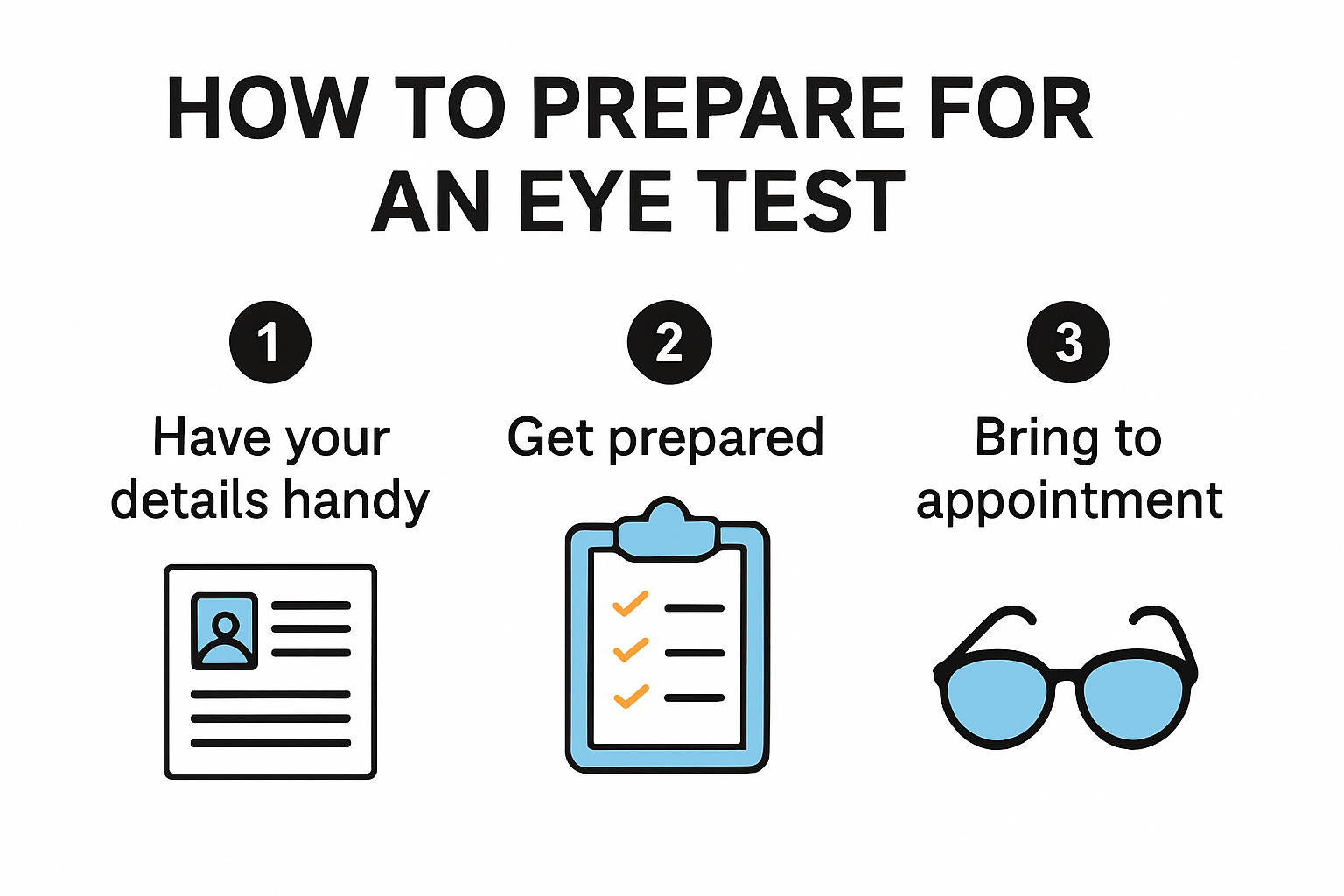
To make the most of your eye examination, preparation is key. The Royal National Institute of Blind People recommends bringing several important items and pieces of information to your appointment:
- A list of current medications
- Your existing spectacles or contact lenses
- Notes about specific visual tasks you perform regularly (like computer work)
- Details of any family history of eye conditions
- Medical letters or referral documents, if applicable
If you have specific health conditions like diabetes or require special accommodations, it is advisable to inform the optometry team when booking your appointment. This allows them to prepare appropriately and allocate sufficient time for a thorough examination.
Remember, a professional eye test is not just about checking your vision. It is a comprehensive health screening that can detect early signs of conditions such as glaucoma, diabetes, and even potential cardiovascular issues. By understanding the process and preparing accordingly, you will ensure a smooth, informative, and potentially life-saving medical assessment.
At Northern Optical Company, we are committed to providing a comfortable, thorough, and personalised eye care experience that goes beyond simple vision testing.
Essential Steps Before Your Appointment
Preparing for your eye test involves more than simply scheduling an appointment. Proper preparation ensures a comprehensive and efficient examination that gives you the most accurate insights into your eye health. By taking strategic steps beforehand, you can help your optometrist conduct a thorough assessment and address all your vision concerns.
Gathering Important Medical Documentation
Before your appointment, compile a comprehensive health profile that will assist your optometrist in understanding your overall eye health context. As recommended by EyeSite UK, you should prepare a detailed overview of your medical background.
Specifically, collect and organize:
- Medical History: A complete list of current medications
- Vision Records: Previous prescription details and eye test results
- Family Medical Background: Known hereditary eye conditions
- Recent Medical Documentation: Any relevant referral letters or specialist reports
Personal Preparation and Documentation

Personal preparation goes beyond medical paperwork. According to the Royal National Institute of Blind People, there are several practical steps you can take to optimize your eye test experience.
Consider these practical preparations:
- Visual Task Documentation: Write down specific details about your daily visual tasks (computer work, driving, reading)
- Current Eyewear: Bring all current spectacles or contact lenses
- Question Preparation: Draft a list of specific questions or concerns about your vision
- Lifestyle Factors: Be ready to discuss work environment, screen time, and visual challenges
Technical and Practical Considerations
Beyond documentation, there are technical aspects to consider that can impact your eye test accuracy. Learn more about our precise testing procedures to understand what to expect.
Key technical considerations include:
- Comfort Preparation: Ensure you are well-rested and not experiencing eye strain
- Lighting Awareness: Avoid extremely bright environments before your test
- Hydration: Stay well-hydrated, as this can affect eye moisture and test accuracy
- Makeup and Contact Lens Considerations: Consider minimizing eye makeup and removing contact lenses before the appointment
By methodically preparing for your eye test, you transform a routine medical check into a comprehensive health assessment. Our team at Northern Optical Company is committed to making your eye examination a smooth, informative, and personalized experience that prioritizes your visual well-being.
Special Advice for Specific Groups
Eye health is not a one-size-fits-all experience. Different groups have unique visual needs and challenges that require specialized attention during eye examinations. Understanding these specific requirements can help individuals receive the most appropriate and comprehensive eye care.
Advice for Senior Citizens and Drivers
Driving vision standards are particularly crucial for older adults. According to the College of Optometrists, elderly individuals need more frequent and thorough eye examinations due to age-related vision changes. These assessments become critical not just for overall health, but for maintaining driving eligibility.
Key considerations for seniors include:
- Regular Comprehensive Screenings: More frequent eye tests to monitor age-related changes
- Driving Vision Compliance: Ensuring vision meets legal standards for continued driving
- Early Detection: Screening for conditions like glaucoma, macular degeneration, and cataracts
Accommodations for Individuals with Special Needs
The Royal National Institute of Blind People emphasizes the importance of tailored eye examinations for individuals with specific health conditions or disabilities. Professional optometrists must adapt their approach to ensure comprehensive and comfortable assessments.
Special groups requiring tailored approaches include:
- Diabetes Patients: More frequent screenings and specific retinal examinations
- Individuals with Learning Disabilities: Modified communication and examination techniques
- People with Physical Disabilities: Adaptive equipment and patient-centered examination strategies
Specialized Approaches for Different Lifestyles
Our comprehensive eye care guide highlights the importance of lifestyle-specific eye care. Different professional and personal activities demand unique visual requirements.
Lifestyle groups with specific eye care needs include:
- Athletes: Specialized vision performance assessments
- Digital Professionals: Screenings for digital eye strain and blue light exposure
- Contact Lens Wearers: Specialized contact lens fitting and corneal health evaluations
The College of Optometrists recommends that optometrists use professional judgment to adapt eye tests, ensuring each patient receives personalized, thorough care.
At Northern Optical Company, we understand that every pair of eyes tells a unique story. Our commitment is to provide tailored, compassionate eye care that recognizes and addresses the specific needs of each individual who walks through our doors.
Questions to Ask Your Optician
An eye test is an opportunity for more than just vision assessment. It is a crucial moment to gain comprehensive insights into your eye health and understand potential future care needs. Asking the right questions can transform your routine eye examination into an informative and empowering healthcare experience.
Understanding Your Current Vision Status
Preparing a list of strategic questions helps you gain a deeper understanding of your eye health. Learn more about the vital role of opticians in vision care, which goes far beyond simple prescription updates.
Key questions to consider about your current vision include:
- Prescription Details: What does my current prescription mean?
- Vision Changes: Are there any notable shifts in my vision since my last test?
- Lens Performance: How well do my current glasses or contacts meet my visual needs?
According to the Royal National Institute of Blind People, it is crucial to understand the specifics of your eye health examination.
Proactive Health Screening Inquiries
Eye examinations are comprehensive health assessments that can reveal insights beyond vision. Comprehensive eye tests can detect early signs of various health conditions.
Important health-related questions include:
- Early Condition Detection: Are there any early signs of eye conditions like glaucoma or macular degeneration?
- Preventive Measures: What lifestyle or dietary changes can I make to support my eye health?
- Family History Impact: How might my family’s eye health history affect my own vision?
As recommended by i-Perspective Opticians, understanding potential preventive strategies is crucial for long-term eye health.
Future Care and Recommendation Queries
Your eye examination is not just about the present moment but also about planning future eye care. Understanding follow-up recommendations and potential next steps is essential.
Questions to explore future care include:
- Follow-up Requirements: Will I need additional tests or more frequent examinations?
- Vision Correction Options: What are the latest technologies or solutions for my specific vision needs?
- Long-term Vision Management: How can I maintain and protect my eye health as I age?
At Northern Optical Company, we believe in empowering our patients through knowledge. Our experienced opticians are committed to providing clear, comprehensive answers that help you make informed decisions about your eye health. By asking thoughtful questions, you become an active participant in your vision care journey.
Frequently Asked Questions
What should I bring to my eye test?
You should bring your current spectacles or contact lenses, a list of any medications you are taking, notes about specific visual tasks you perform regularly, and any relevant medical documentation, such as referral letters.
How often should I have an eye test?
It is recommended that adults have an eye test every two years, but if you have specific health conditions, such as diabetes, or if you are experiencing vision changes, you may need to have your eyes checked more frequently.
What happens during a professional eye examination?
A professional eye examination includes a review of your medical history, visual acuity testing, refraction to determine your prescription, and assessments of eye movement and peripheral vision, along with potential screenings for other eye health conditions.
Can my eye test detect other health issues?
Yes, a thorough eye examination can identify early signs of health conditions such as diabetes, glaucoma, and even cardiovascular problems, making it an important part of your overall health screening.
Ready for Your Eye Test? Let Northern Optical Company Make It Easy
You have taken the first step by learning how to prepare for an eye test. The biggest worry people have is missing out on vital health screening or feeling overwhelmed by not knowing what to bring. Whether you’re concerned about prescription accuracy, early detection of conditions or just want a smooth experience for the whole family, you deserve a local team that cares about every detail.
At Northern Optical Company, our friendly experts turn readiness into reassurance. We guide you through the full process before your visit, offer thorough examinations using advanced technology and tailor our advice to your lifestyle or special needs. Book your next eye test today and discover genuine support and style under one roof. Healthy eyes and peace of mind are just a click away. Start your journey now for caring, comprehensive eye care right in the heart of Newcastle.
Recommended Articles
- Mastering Eye Test Procedures in 2025: A Clear Guide
- How to Test Vision at Home Safely in 2025
- 6 Signs You Need an Eye Test: When To Get Eye Tests