Choosing kids’ glasses often feels simple. Just grab a colourful pair that fits their favourite cartoon, right? Not quite. Children with learning disabilities are 28 times more likely to experience serious sight problems, yet the right frames can make all the difference to comfort, confidence and proper vision correction. Here’s what to watch for if you want your child’s glasses to be much more than just a fashion statement.
Table of Contents
- Understanding Kids Frame Sizes And Fit
- Selecting Frame Materials For Comfort And Safety
- Style, Colour, And Lifestyle Considerations
- Tips For Specific Needs: Athletes, Homebound, And More
Quick Summary
| Takeaway | Explanation |
|---|---|
| Proper Frame Fit is Crucial | Ill-fitting glasses can cause visual distortion, discomfort, and reduce the effectiveness of prescription lenses, making accurate measurement of bridge width, temple length, and lens width essential for children’s eyewear. |
| Material Selection Matters | Choose lightweight and flexible materials, such as Grilamid or titanium, for durability and comfort, while ensuring safety with impact-resistant lenses like polycarbonate, especially for active children. |
| Consider Personal Style and Lifestyle | Involve children in choosing frames that reflect their personality through colour and style, while ensuring the frames match their lifestyle needs, such as durability for active play. |
| Address Specific Needs | For children with unique requirements, such as those with learning disabilities or active lifestyles, select frames with adjustable and hypoallergenic features for comfort and safety. |
Understanding Kids Frame Sizes and Fit
Choosing the right frames for children involves more than just picking a stylish design. The perfect pair of glasses requires careful consideration of fit, comfort, and functionality to ensure optimal vision correction and wearing experience.
Why Proper Frame Fit Matters for Children
Children’s facial structures are uniquely different from adults, making frame selection a critical process. Research from pediatric optometry experts reveals that ill-fitting glasses can significantly impact a child’s vision development and comfort. Frames that are too large or small can cause multiple issues, including:
- Visual Distortion: Incorrectly positioned lenses prevent proper light refraction
- Discomfort: Poorly fitted frames lead to constant adjusting and potential reluctance to wear glasses
- Potential Vision Correction Compromise: Frames that slip or sit incorrectly reduce the effectiveness of prescription lenses
According to chect.org.uk, children’s unique facial features such as a low and flat nasal bridge require special attention. Frames with fixed bridges or soft nose pads become essential to ensure a secure and comfortable fit that prevents glasses from constantly slipping down the nose.
Measuring and Selecting the Right Frame Size
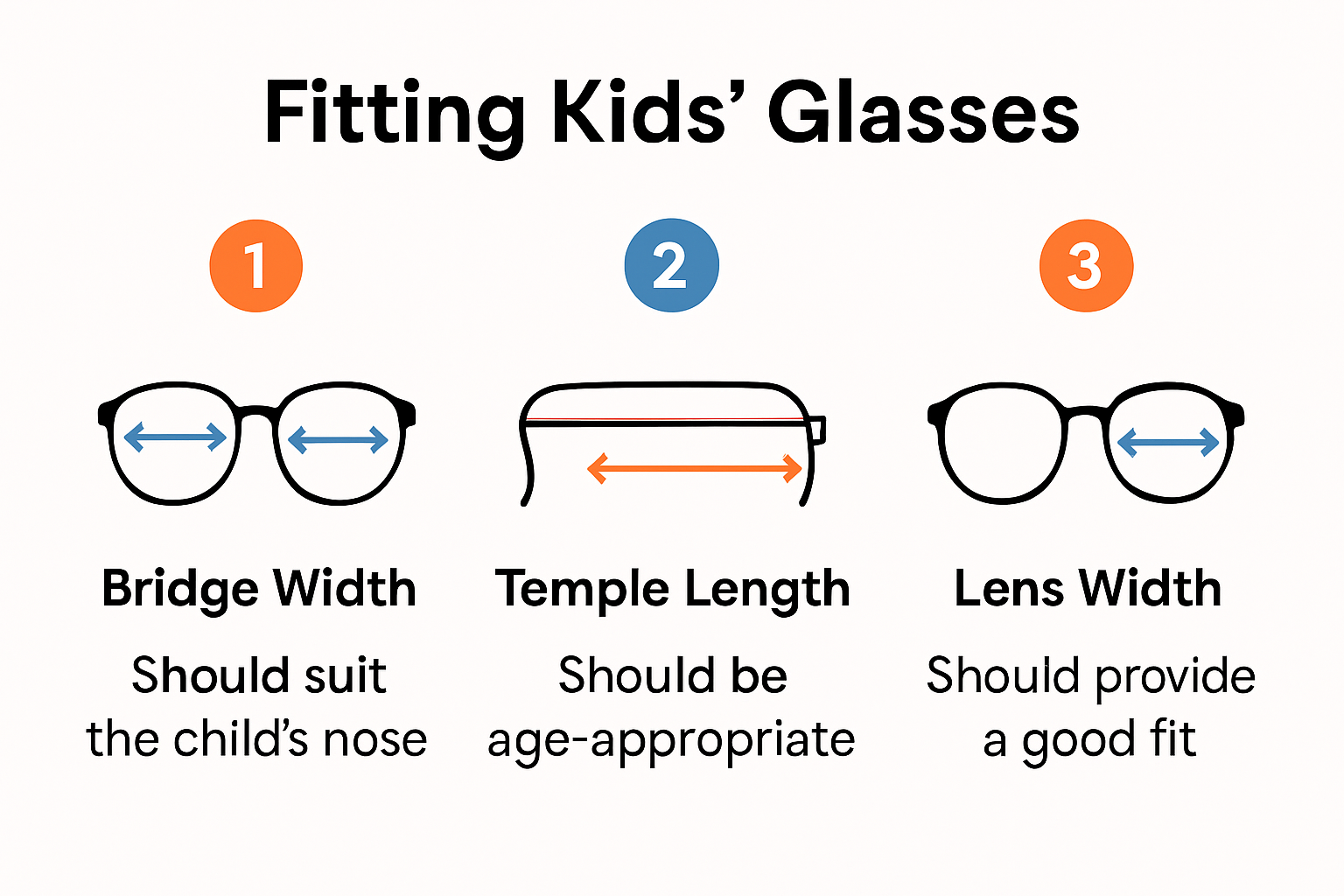
Precision is key when selecting children’s frames. Professional opticians recommend focusing on several critical measurements:
- Bridge Width: This determines how comfortably the glasses sit across the nose
- Temple Length: Ensures the frames wrap properly around the ears
- Lens Width: Matches the child’s eye spacing and provides optimal visual coverage
Leaflets from NHS guidance emphasize that frames should position a child’s pupils centrally within the lenses. This placement provides a wider field of view and ensures the prescription works effectively. Frames that are too shallow or wide can cause children to look over the top of their glasses or experience significant discomfort.
Additionally, weight distribution plays a crucial role. Glasses should sit close to the eyes and distribute weight evenly across the nose, preventing constant readjustment and ensuring all-day comfort.
Age-Specific Considerations
Frame selection varies dramatically across different age groups. Toddlers require extremely lightweight, flexible frames with wraparound designs that can withstand active play. School-age children might prefer more structured frames that reflect emerging personal style while maintaining durability.
When selecting frames, consider materials like flexible titanium or memory plastic that can withstand rough handling. Learn more about our guide for selecting children’s eyewear to make an informed decision that balances functionality and style.
Remember, the perfect pair of glasses should make a child feel confident, comfortable, and excited about wearing them. Professional fitting and expert guidance can transform glasses from a medical necessity into a positive, empowering accessory.
To help summarise the key fit and age considerations discussed, the following table compares frame features suitable for different age groups:
| Age Group | Recommended Features | Material Options |
|---|---|---|
| Toddlers | Lightweight, flexible, wraparound, soft nose pads | Memory plastic, silicone |
| Early School Age | Durable, secure fit, adjustable nose pads | Titanium, TR90 plastic |
| Tweens/Teens | Structured, style-focused, hypoallergenic, flexible | Titanium, Grilamid (TR90) |
Selecting Frame Materials for Comfort and Safety
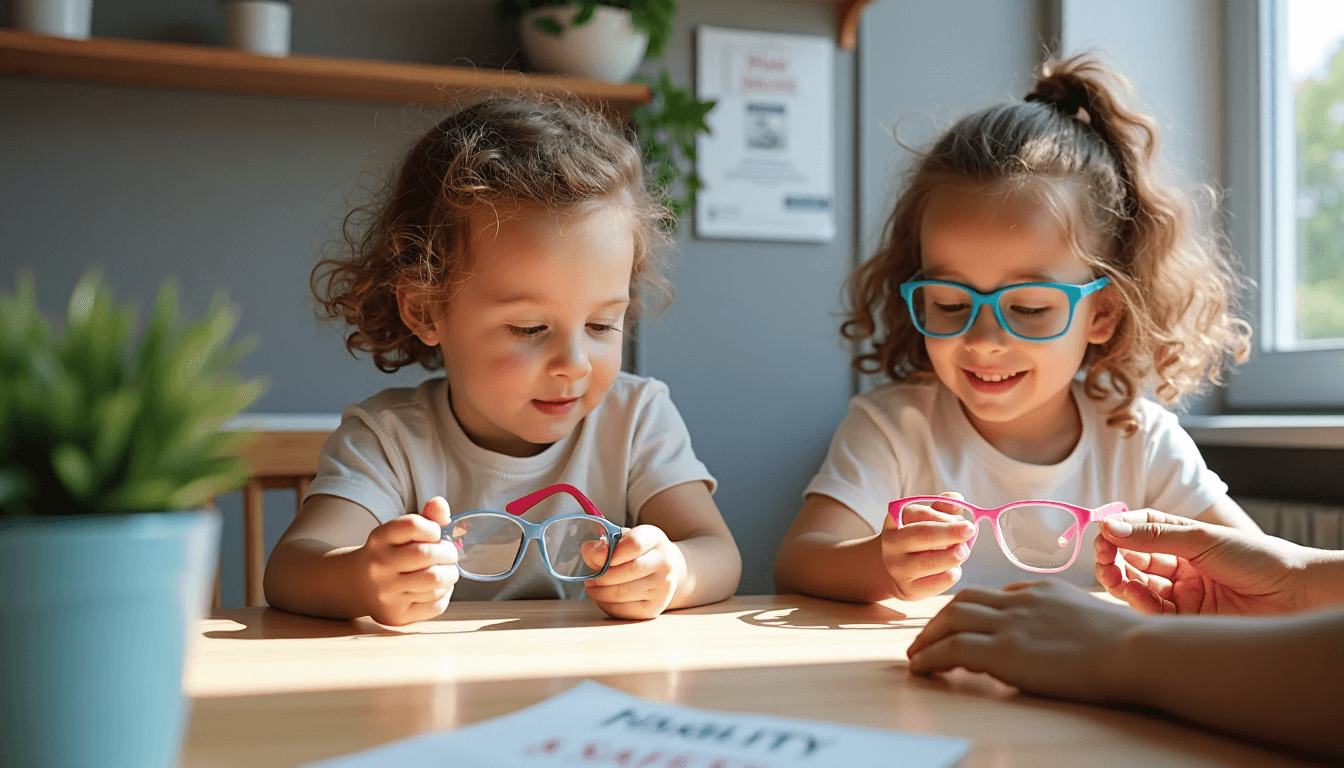
Choosing the right frame material for children’s glasses is more than a cosmetic decision. It involves carefully balancing durability, safety, comfort, and long-term wearability to ensure children remain protected and feel confident in their eyewear.
Understanding Frame Material Properties
Research from pediatric optometry experts highlights that children’s frames require specialized materials that can withstand active lifestyles. Lightweight, flexible materials have become the gold standard for children’s eyewear.
Injection-moulded plastics like Grilamid (TR90) and silicone have emerged as top choices. Opticianonline.net notes these materials are hypoallergenic, offering exceptional strength and durability. Key benefits include:
- Flexibility: Ability to bend without breaking
- Lightweight: Reduces pressure on children’s delicate facial structures
- Hypoallergenic: Minimizes potential skin irritation
Safety Considerations in Material Selection
Allaboutvision.com recommends polycarbonate or Trivex lenses for superior impact resistance. These materials provide critical protection during active play, sports, and everyday childhood adventures.
Metals like titanium also offer remarkable advantages. Their strength-to-weight ratio makes them ideal for children who need robust yet comfortable frames. Titanium frames resist corrosion, maintain shape, and can survive significant wear and tear.
Below is a comparison table outlining the properties and ideal uses of common frame and lens materials mentioned in this section:
| Material | Key Properties | Best For |
|---|---|---|
| Grilamid (TR90) | Lightweight, flexible, hypoallergenic | Active kids, comfort |
| Memory Plastic | Flexible, durable | Toddlers, rough use |
| Silicone | Soft, hypoallergenic | Sensitive skin, toddlers |
| Titanium | Strong, lightweight, non-corrosive | School age, durability |
| Polycarbonate (Lens) | Impact-resistant, lightweight | Sports, high activity |
| Trivex (Lens) | Impact-resistant, optical clarity | Sports, sensitive kids |
Practical Recommendations for Parents
When selecting materials, consider your child’s specific needs. Active children might benefit from rubber-based frames with enhanced flexibility. Children with sensitive skin may require hypoallergenic options.
Learn more about our comprehensive eyewear material guide to make an informed decision that balances protection, comfort, and style.
Remember, the right material can transform glasses from a potential inconvenience to a comfortable, confidence-boosting accessory. Professional guidance ensures you select frames that protect your child’s vision and support their active lifestyle.
Style, Colour, and Lifestyle Considerations
Choosing children’s eyewear extends far beyond vision correction. The perfect pair of glasses should reflect a child’s personality, support their lifestyle, and boost their confidence.
Matching Frames to Personal Style
Research from allaboutvision.com reveals that children often prefer eyewear that mirrors adult styles, including elongated rectangular shapes and retro oval designs. Modern frame selection is about creating a balance between functionality and personal expression.
Popular style trends for children’s glasses include:
- Character-Inspired Frames: Incorporating elements from beloved pop culture icons
- Colour-Coordinated Options: Frames that complement skin tone and personal colour preferences
- Sports-Inspired Designs: Frames that reflect active lifestyles and athletic interests
Lifestyle and Activity Considerations
Framesopticians.co.uk emphasizes the importance of selecting frames that match a child’s specific activities. Active children require different frame characteristics compared to those with more sedentary lifestyles.
Key lifestyle considerations include:
- Spring hinges for increased durability
- Lightweight materials for comfort during extended wear
- Adjustable nose pads for better fit and stability
Face shape also plays a crucial role in frame selection. Angular frames complement round faces, while round or oval frames suit square facial structures. This approach ensures both aesthetic appeal and optimal comfort.
Colour and Personality Expression
Colour selection is more than a cosmetic choice. Research indicates that involving children in the frame selection process increases their likelihood of wearing and caring for their glasses.
Encourage children to express their personality through:
- Vibrant colour choices
- Unique frame patterns
- Personalised design elements
Explore our guide to stylish eyewear trends to help your child find glasses that make them feel confident and comfortable.
Ultimately, the right pair of glasses should make a child feel excited about wearing them. Professional guidance can transform eyewear from a medical necessity into a personal style statement that celebrates individual uniqueness.
Remember, confidence starts with feeling good about how you look. The perfect pair of glasses can be a powerful tool for self-expression and personal empowerment.
Tips for Specific Needs: Athletes, Homebound, and More
Children’s eyewear needs vary dramatically across different lifestyles, activities, and physical conditions. Understanding these unique requirements ensures optimal vision correction and comfort for every child.
Athletes and Active Children
Research from sports vision experts highlights the critical importance of protective eyewear for children with active lifestyles. For children participating in sports, specialized frames offer more than aesthetic appeal they provide essential safety and performance benefits.
Key considerations for athletic eyewear include:
- Impact Resistance: Polycarbonate lenses that withstand high-velocity impacts
- Secure Fit: Frames with wraparound designs and non-slip nose pads
- Lightweight Materials: Ensuring comfort during extended physical activity
Children with monocular vision require additional protection. Protective sports glasses become crucial in safeguarding their functional eye from potential injury.
Special Needs and Medical Considerations
NHS research reveals that children with learning disabilities are 28 times more likely to experience serious sight problems. This statistic underscores the importance of specialized eyewear solutions.
For children with unique medical needs, consider:
- Frames with adjustable components for sensory sensitivities
- Hypoallergenic materials for children with skin conditions
- Lightweight designs for children with motor coordination challenges
Explore our comprehensive sports vision training insights to understand how specialized eyewear can support various physical and neurological needs.
Homebound and Accessibility Solutions
Children with limited mobility or those requiring home-based care need eyewear that accommodates their specific lifestyle. The NHS provides free eye tests for children under 16 (or under 19 if in full-time education), ensuring comprehensive vision support.
Accessibility recommendations include:
- Frames with extra flexibility for frequent adjustments
- Lightweight materials reducing physical strain
- Designs compatible with additional medical equipment
Professional opticians can provide personalised guidance, transforming eyewear from a medical necessity into a tool for enhanced independence and confidence.
Remember, every child’s vision journey is unique. The right pair of glasses can open up a world of clarity, comfort, and self-expression, regardless of individual challenges or lifestyle demands.
Frequently Asked Questions
How do I measure my child’s frame size for glasses?
To measure your child’s frame size, take three key measurements: bridge width (the part that sits on the nose), temple length (the arms of the glasses), and lens width (the distance between the lenses). Ensure that the pupils are positioned centrally within the lenses for optimal vision.
What materials are best for children’s glasses?
Lightweight and flexible materials such as Grilamid (TR90) and titanium are recommended for children’s glasses. Additionally, polycarbonate lenses offer superior impact resistance, making them ideal for active children.
How can I involve my child in choosing their glasses?
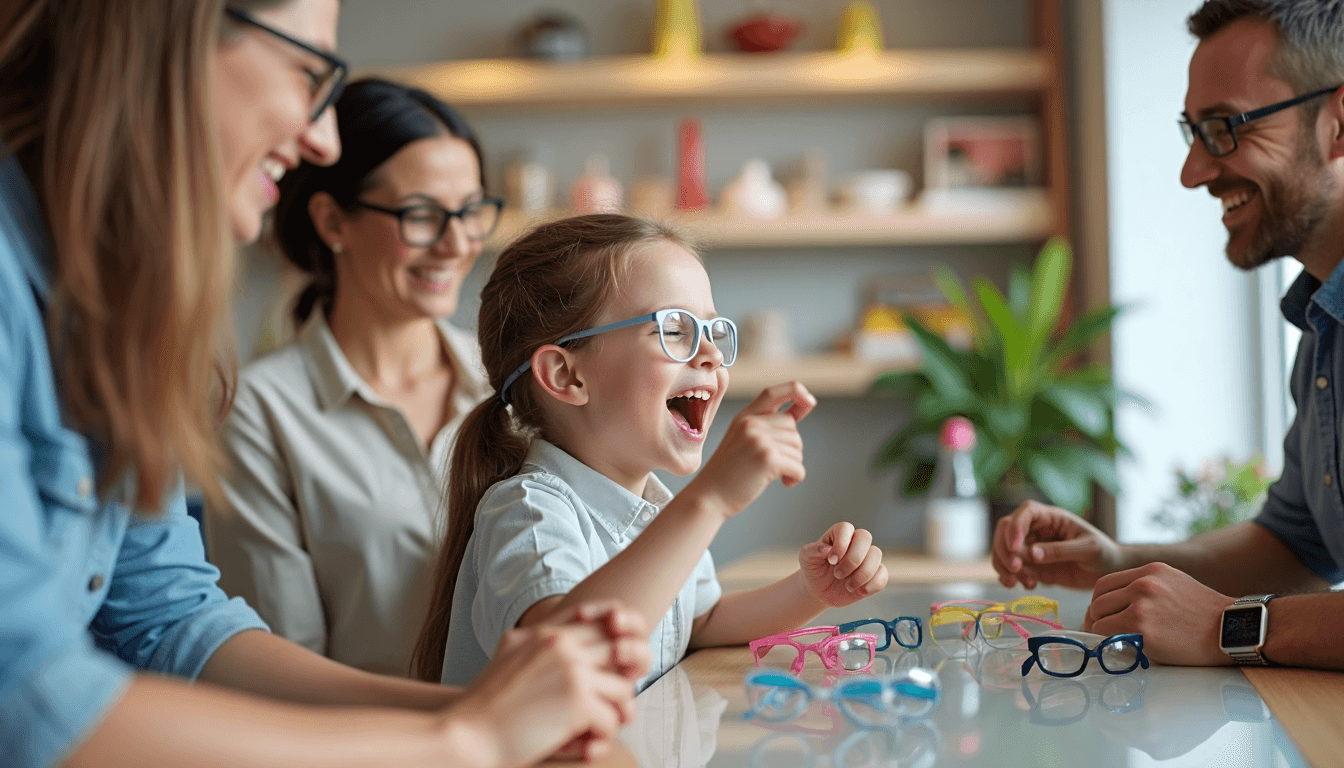
Involve your child by encouraging them to select frames that reflect their personal style and colour preferences. This engagement boosts their confidence and likelihood of wearing their glasses regularly.
What special considerations should I take into account for active children?
For active children, choose frames that are impact-resistant, secure-fitting, and lightweight. Features like wraparound designs and non-slip nose pads enhance safety and comfort during physical activities.
Experience the Perfect Fit and Freedom for Your Child’s Glasses at Northern Optical Company
Choosing the right frames for your child often feels overwhelming. As you read in our guide, poorly fitted glasses can lead to discomfort, reluctance to wear them, and even disrupt a child’s vision development. Many parents struggle with balancing style, durability, safety, and emotional confidence. At Northern Optical Company, we understand these challenges and specialise in solutions that truly fit.
Bring your child for a personalised fitting with our experienced team. We use specialist knowledge discussed in our kids eyewear article to recommend the right frames, sizes, and materials. Whether your child needs lightweight sports frames, hypoallergenic materials for sensitive skin, or something that gives them confidence at school, our curated range is designed for every lifestyle and personality. We even offer home visits if mobility is an issue.
Let us help your child see the world clearly and feel their absolute best. View our full range and book an appointment today at Northern Optical Company.
Recommended
- Choosing Kids’ Glasses: Tips for Eyewear 2025
- The Ultimate Children’s Glasses Guide 2025: Easy Tips for All
- Expert Tips for Stylish Eyewear in 2025: Look Your Best
- How to Choose Eyewear: Style and Fit Guide
- Children and Contact Lenses: A Parent’s Guide for 2025
- Best Eyewear for Seniors in 2025: Top Choices for Comfort and Clarity