

People now spend more than seven hours a day looking at digital screens. That number is climbing fast and so are the risks to your vision. Yet here’s the surprise. The best defence for your eyes in 2025 is not hidden in expensive technology or fancy supplements. It starts with simple daily habits like the 20-20-20 rule and a diet rich in greens, both proven to help prevent digital eye strain and other serious conditions. Forget what you thought about one-size-fits-all routines. The smartest approach is to match your eye care to your lifestyle and personal risk, unlocking a new way to protect your vision for the future.
Table of Contents
- Daily Eye Care Habits That Work
- Tailoring Your Eye Care Routine By Lifestyle
- Essential Eye Care Tips For Special Groups
- When To Seek Professional Eye Care Advice
Quick Summary
| Takeaway | Explanation |
|---|---|
| Implement the 20-20-20 Rule | To reduce digital eye strain, look at an object 20 feet away for 20 seconds every 20 minutes during screen use. |
| Maintain a Nutrient-Rich Diet | A balanced diet with omega-3 fatty acids, lutein, and vitamins A, C, and E supports long-term eye health. Consider foods like leafy greens and fatty fish. |
| Schedule Regular Eye Examinations | Attend comprehensive eye check-ups routinely to detect early signs of potential eye conditions and maintain overall eye health. |
| Adopt Tailored Eye Care Strategies | Different lifestyles (e.g., digital workers, athletes, older adults) require specific eye care practices to maintain optimal vision and eye health. |
| Recognise Urgent Eye Symptoms | Be aware of critical symptoms like sudden vision changes or persistent pain that necessitate immediate professional consultation to prevent long-term damage. |
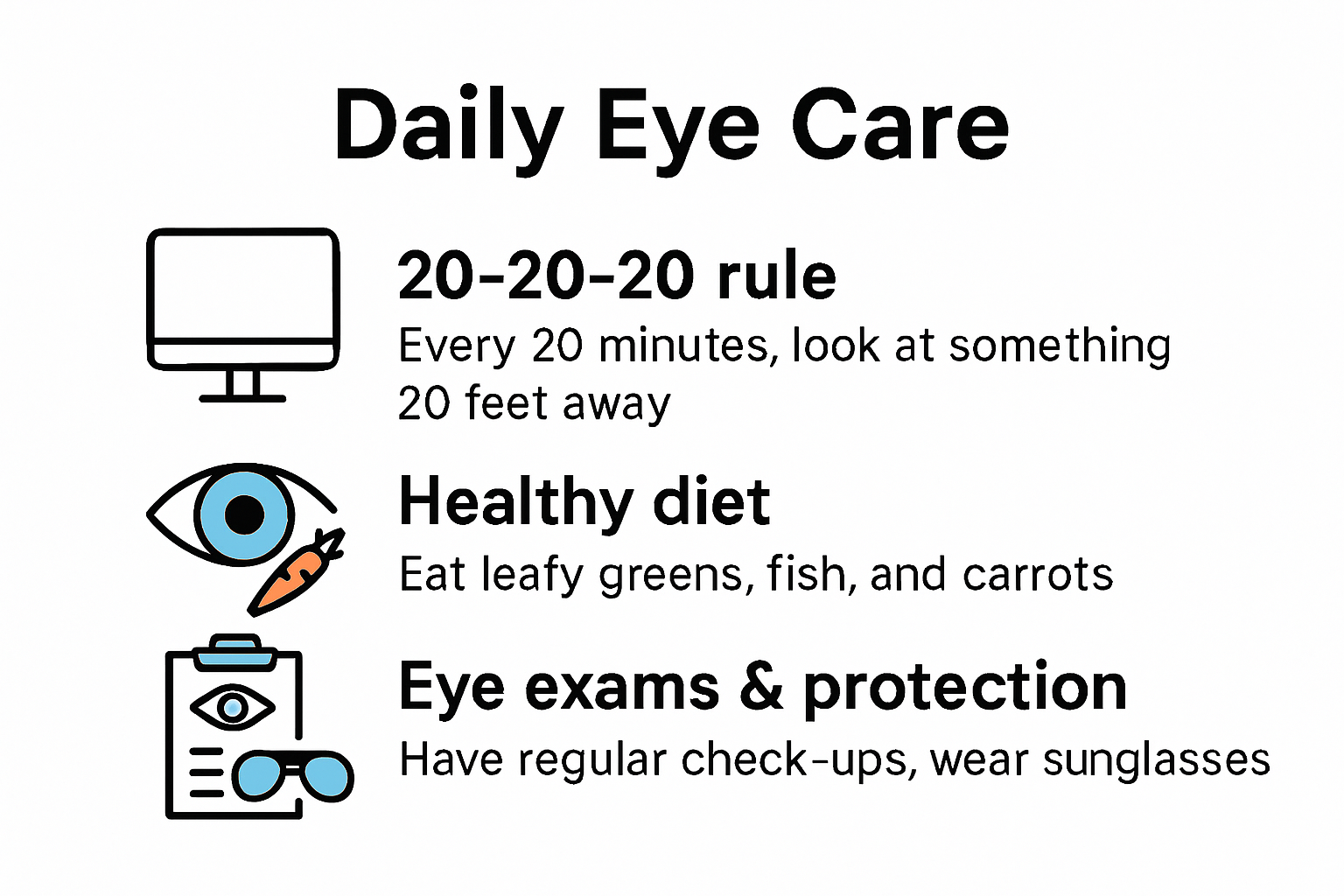
Daily Eye Care Habits That Work
Maintaining optimal eye health requires more than occasional attention. Creating consistent daily habits can significantly protect and preserve your vision, preventing potential long-term complications. At Northern Optical Company, we understand that eye care is a personalised journey tailored to individual lifestyles and needs.
Screen Time and Digital Eye Strain Management
In our increasingly digital world, protecting eyes from prolonged screen exposure has become crucial. Learn more about protecting your vision during extended digital interactions. The 20-20-20 rule emerges as a practical strategy for reducing digital eye strain. According to Bupa UK, every 20 minutes, individuals should look at an object 20 feet away for 20 seconds. This simple technique helps relax eye muscles and reduces potential fatigue associated with continuous screen viewing.

Additionally, adjusting screen brightness, using blue light filtering settings, and maintaining proper viewing distances can further mitigate potential eye strain. Consider positioning computer monitors slightly below eye level and approximately an arm’s length away to minimise unnecessary muscular tension.
Nutrition and Lifestyle Factors
Eye health is deeply interconnected with overall nutritional intake and lifestyle choices. Research from the Royal National Institute of Blind People emphasises the importance of a balanced diet rich in specific nutrients. Incorporating foods high in omega-3 fatty acids, lutein, zeaxanthin, and vitamins A, C, and E can support long-term eye health.
Key dietary recommendations include:
- Leafy Green Vegetables: Spinach, kale, and collard greens contain essential nutrients that protect retinal health
- Fatty Fish: Salmon, mackerel, and sardines provide omega-3s crucial for eye membrane health
- Citrus Fruits: Oranges and grapefruits offer vitamin C, supporting blood vessel strength
Regular Eye Examinations and Preventative Care
Perhaps the most critical daily habit is scheduling and attending regular comprehensive eye examinations. Moorfields Eye Hospital recommends routine check-ups even for individuals without apparent vision problems. These examinations can detect early signs of potential eye conditions before they progress, ensuring timely intervention and treatment.
Beyond professional examinations, daily practices like wearing sunglasses with UV protection, staying hydrated, and getting adequate sleep contribute significantly to maintaining optimal eye health. Remember, prevention and consistent care are your best strategies for long-term vision wellness.
Tailoring Your Eye Care Routine by Lifestyle
Eye care is not a one-size-fits-all approach. Different lifestyles demand unique strategies to maintain optimal vision and eye health. Learn more about personalised eye care solutions tailored to individual needs and daily activities.
Digital Professionals and Screen-Intensive Lifestyles
For individuals spending significant time in front of digital screens, eye care requires strategic interventions. According to research from the National Eye Institute, prolonged digital exposure can lead to substantial eye strain and potential long-term vision complications. Professionals working in technology, design, writing, and administrative roles should implement specific protective measures.
Key recommendations for digital workers include:
- Ergonomic Workspace Setup: Position monitors at eye level and approximately an arm’s length away
- Blue Light Protection: Use specialized screen filters or glasses with blue light blocking technology
- Regular Screen Breaks: Practice the 20-20-20 rule to reduce eye muscle fatigue
Athletes and Active Lifestyle Individuals
Athletes and physically active individuals require specialised eye care strategies that protect against environmental challenges and potential sports-related injuries. Moorfields Eye Hospital emphasises the importance of targeted eye protection for different physical activities.
Sport-specific eye care considerations include:
- UV Protection: Wear sport-specific sunglasses with comprehensive UV protection
- Impact-Resistant Eyewear: Use protective glasses designed for specific sports like cycling, tennis, or martial arts
- Regular Vision Assessments: Conduct frequent eye examinations to monitor vision performance and detect potential changes
Ageing Population and Lifestyle Adaptations
As individuals age, eye care routines must evolve to address changing physiological requirements. The Association of Optometrists recommends comprehensive, lifestyle-integrated approaches for maintaining eye health in later life stages.
Adaptive strategies for older adults include:
- Nutritional Support: Consume diets rich in omega-3 fatty acids and antioxidants
- Regular Health Monitoring: Schedule more frequent comprehensive eye examinations
- Adaptive Technologies: Utilize reading glasses, magnification tools, and enhanced lighting solutions
Ultimately, understanding your unique lifestyle and its specific eye health challenges is crucial. Whether you’re a digital professional, an athlete, or navigating the changes of ageing, a personalised approach ensures your vision remains clear, comfortable, and protected.
To make it easier to compare the recommended eye care strategies for different lifestyles, see the table below:
| Lifestyle Group | Key Risks/Challenges | Main Eye Care Strategies |
|---|---|---|
| Digital Professionals | Digital eye strain, prolonged screen exposure | Ergonomic setup, blue light protection, 20-20-20 rule |
| Athletes & Active Individuals | UV exposure, physical injury | Sport-specific sunglasses, impact-resistant eyewear, regular vision monitoring |
| Ageing Population | Age-related degeneration, changing needs | Nutritional support, frequent exams, adaptive technologies |
Essential Eye Care Tips for Special Groups
Some populations have unique eye health requirements that demand specialised attention and tailored care strategies. Explore our comprehensive guide to personalised eye care designed to address the specific needs of different groups.
People with Learning Disabilities and Accessibility Challenges
Individuals with learning disabilities face significantly higher risks of vision problems. According to government research, adults with learning disabilities are 10 times more likely to experience serious sight issues compared to the general population. Healthcare professionals must adopt comprehensive, patient-centred approaches that prioritise accessibility and understanding.
Key strategies for supporting eye care in this group include:
- Specialised Communication: Use clear, simple language and visual aids during eye examinations
- Comprehensive Support: Involve caregivers or support workers during medical consultations
- Sensory-Friendly Environments: Create calm, low-stimulus settings for eye tests and treatments
Ethnic Minority Groups and Targeted Eye Health Interventions
Certain ethnic communities face higher risks of specific eye conditions, necessitating targeted preventative care. Public health research highlights distinct health patterns among different population groups.
Specific considerations for ethnic minority populations include:
- African-Caribbean Communities: Higher risk of glaucoma and diabetes-related eye conditions
- South Asian Communities: Increased susceptibility to diabetes and potential diabetic retinopathy
- Cultural Sensitivity: Develop culturally competent healthcare approaches that respect individual backgrounds
High-Risk Health Condition Management
Individuals with specific health conditions require more nuanced eye care strategies. Research from Vision Matters emphasises that certain lifestyle and health factors dramatically increase vision-related risks.
Comprehensive eye care recommendations for high-risk groups include:
- Diabetic Patients: Regular comprehensive eye screenings to monitor retinal health
- Smokers: More frequent eye examinations to detect early signs of vision deterioration
- Individuals with Autoimmune Conditions: Tailored monitoring for potential eye inflammation and related complications
Addressing the diverse needs of special groups requires a holistic, empathetic approach. By recognising the unique challenges faced by different populations, healthcare providers can develop more effective, personalised eye care strategies that promote long-term vision health and overall wellbeing.
Below is a summary table outlining high-risk groups and their key eye care recommendations:
| Special Group | Increased Eye Health Risks | Key Eye Care Recommendations |
|---|---|---|
| People with Learning Disabilities | 10x more likely to have serious sight issues | Clear communication, comprehensive support, accessible environments |
| African-Caribbean Communities | Glaucoma, diabetes-related eye conditions | Targeted screenings, cultural sensitivity |
| South Asian Communities | Diabetes, diabetic retinopathy | Frequent monitoring, culturally competent care |
| Diabetic Patients | Retinal complications | Regular screenings, early intervention |
| Smokers | Early vision deterioration | More frequent check-ups |
| Individuals with Autoimmune Conditions | Eye inflammation, related complications | Tailored monitoring, specialist care |
When to Seek Professional Eye Care Advice
Navigating eye health requires understanding when professional intervention becomes crucial. Discover the key moments to prioritise your eye care and prevent potential long-term vision complications.
Routine Examination Frequency and Preventative Care
The NHS recommends regular eye examinations as a fundamental aspect of maintaining optimal vision health. While standard guidance suggests biennial check-ups, individual circumstances can dramatically alter this timeline. Factors such as age, existing health conditions, family medical history, and lifestyle significantly influence the recommended frequency of professional eye assessments.
Key considerations for scheduling eye examinations include:
- Age-Related Changes: More frequent tests for individuals over 40
- Family History: Increased monitoring for those with genetic predispositions to eye conditions
- Existing Health Conditions: More regular check-ups for diabetics, hypertension patients
Urgent Symptoms Requiring Immediate Professional Attention
Vision Matters research highlights several critical symptoms that demand immediate professional eye care. Recognising these warning signs can prevent potential permanent vision damage and address underlying health issues promptly.
Urgent symptoms necessitating immediate consultation include:
- Sudden Vision Changes: Experiencing curtain-like vision obstruction
- Acute Pain: Persistent or severe eye discomfort
- Visual Disturbances: Unexpected flashes, floaters, or double vision
- Sudden Sensitivity: Extreme light sensitivity or unexplained redness
Lifestyle and Health-Specific Eye Care Triggers
Certain lifestyle factors and health conditions warrant proactive eye care beyond standard examinations. Government health guidance emphasises the importance of targeted eye health strategies for specific population groups.
Specialised scenarios requiring professional eye care include:
- Occupational Risks: Individuals working in visually demanding environments
- Digital Professionals: Extended screen time necessitating specialised eye assessments
- Chronic Health Management: Regular monitoring for individuals with diabetes, autoimmune conditions
Understanding when to seek professional eye care is not merely about reactive treatment but proactive health management. By recognising the nuanced signals your eyes communicate and maintaining regular professional consultations, you can safeguard your vision and overall health effectively.
Frequently Asked Questions
What is the 20-20-20 rule for eye care?
The 20-20-20 rule is a simple practice to reduce digital eye strain. Every 20 minutes, look at an object 20 feet away for 20 seconds to help relax your eye muscles.
How often should I have my eyes examined?
It is generally recommended to have an eye examination every two years. However, individuals over 40, or those with specific health conditions, may need more frequent check-ups to monitor their eye health.
What dietary changes can support eye health?
A diet rich in omega-3 fatty acids, leafy greens, and vitamins A, C, and E helps support long-term eye health. Foods like spinach, salmon, and citrus fruits are particularly beneficial.
What should I do if I experience sudden vision changes?
If you experience sudden vision changes, such as curtain-like vision obstruction or severe eye pain, seek immediate professional eye care. These symptoms could indicate serious underlying conditions requiring urgent attention.
Ready to Personalise Your Eye Care in 2025?
If you feel concerned about digital eye strain, tired eyes, or keeping up with the right routines for your busy life, you are not alone. This article shows that every lifestyle presents unique challenges, whether it is hours on screens, active days outdoors, or changes as you get older. Many of us forget that a one-size-fits-all approach can leave vision health at risk. At Northern Optical Company, we offer expert support tailored to you. We combine professional clinical care with friendly, personal advice, so you can follow routines like the 20-20-20 rule or make confident choices about UV protection and nutrition, all backed by trusted community optometrists.
Book your next eye test today and let our family look after yours. Whether you need a comprehensive check-up, are seeking comfortable glasses for digital work, or want to improve your child’s eye health, trust Northern Optical Company for evidence-based guidance and caring service. Do not wait until small problems become bigger concerns. Visit Northern Optical Company to learn more and schedule your visit now.
Recommended
- Best Eye Care Practices for Every Lifestyle in 2025
- Top Benefits of Home Eye Tests for Every Lifestyle in 2025
- Best Eye Exercises for Drivers: Essential Tips for 2025
- Why Your Eye Health Matters: Essential Care Tips in 2025
- Why Eye Tests Matter: Crucial Eye Care for Every Age in 2025
- Eye Health and Nutrition: Vital Tips for Every Lifestyle in 2025