
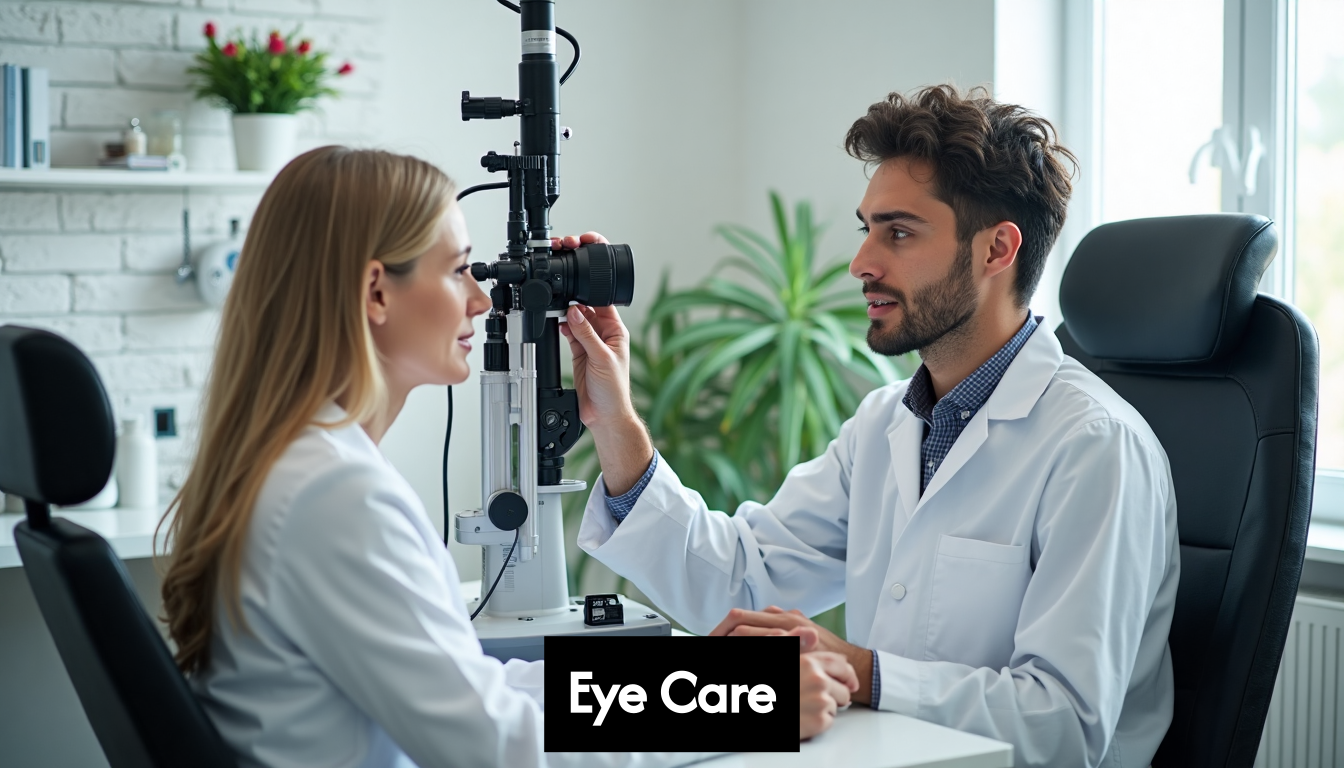
Eye tests are often seen as just another item on the healthcare checklist, but their importance goes much further than ticking a box. Far fewer people realise that a simple eye test can reveal serious health issues like diabetes and high blood pressure before any symptoms even appear. Even more eye-opening, by 2025, approximately 290,000 UK children are projected to be affected by strabismus – a statistic that underscores how hidden these problems can be. Thinking of eye tests as mere vision checks misses the point entirely. They are actually one of the most powerful early-warning tools for your overall health, and their impact reaches every age group.

Table of Contents
- Key Benefits Of Regular Eye Tests
- Eye Health Risks By Life Stage
- How Eye Tests Improve Daily Living
- Who Needs An Eye Test In 2025?
Quick Summary
| Takeaway | Explanation |
|---|---|
| Regular eye tests are essential for overall health | Eye examinations can detect serious health conditions, such as diabetes and high blood pressure, often before symptoms appear. |
| Eye health risks vary by life stage | Each life stage, from childhood to senior years, has unique visual challenges that necessitate tailored eye care and regular assessments. |
| Proactive eye care can prevent vision loss and enhance quality of life | Timely detection and correction of vision problems significantly reduce the risk of depression, falls, and may improve personal and professional performance. |
| Workplace regulations mandate eye tests for screen users | Employers are required to provide eye tests for employees who use display screen equipment (DSE), underscoring the importance of vision health in professional settings. |
| Legal vision standards apply to drivers | Drivers must meet specific vision requirements and should schedule regular eye tests, particularly if they are over 40 or have existing health conditions affecting their eyesight. |
Key Benefits of Regular Eye Tests
Regular eye tests are far more than simple vision checks. They represent a critical component of comprehensive healthcare that offers profound insights into your overall physical wellbeing. Beyond ensuring clear vision, these examinations serve as sophisticated diagnostic tools capable of revealing critical health information before symptoms become apparent.
Early Detection of Hidden Health Conditions
Eye examinations are unique in their ability to provide a non-invasive window into your body’s internal health systems. According to Vision Matters Research, routine eye tests can detect serious health conditions that extend well beyond vision problems. Medical professionals can identify early warning signs of systemic diseases such as diabetes, high blood pressure, and even potential brain tumours during a comprehensive eye examination.
The human eye is remarkably transparent – quite literally. Your optometrist can observe blood vessels, nerves, and connective tissues directly, providing an unprecedented view of your cardiovascular and neurological health. This means a simple eye test could potentially reveal risks of stroke, heart disease, or other critical medical conditions before they become life-threatening emergencies.
Preventing Vision Loss and Maintaining Quality of Life
Consider the stark statistics: Research indicates that vision deterioration is directly linked to significant quality of life reductions. Individuals with untreated vision problems face threefold higher risks of depression, double the likelihood of experiencing falls, and even increased mortality rates. Regular eye tests can help mitigate these risks by catching and addressing vision changes early.
For every age group, from children developing their visual systems to seniors managing age-related changes, consistent eye examinations provide crucial preventative care. Children with undiagnosed vision problems might struggle academically, while older adults can maintain independence through proactive vision management. Our comprehensive eye test guide offers detailed insights into what these examinations entail.
Economic and Personal Benefits of Proactive Eye Care
Beyond health implications, regular eye tests represent a smart economic investment. Early detection of vision issues can prevent more expensive treatments later. Corrective measures implemented during initial stages of vision changes are typically less invasive and more cost-effective than interventions required after significant deterioration.
Moreover, maintaining optimal vision directly impacts personal and professional performance. Clear vision enhances productivity, reduces eye strain, and supports mental wellbeing. Whether you’re a student, professional, or retiree, investing 30-45 minutes in a comprehensive eye examination can yield substantial long-term benefits.
In an era of increasing digital screen time and environmental challenges, why eye tests matter has never been more critical. They are not merely medical appointments but comprehensive health assessments that provide invaluable insights into your overall wellbeing.
Eye Health Risks by Life Stage
Eye health is not a one-size-fits-all concern. Each life stage presents unique visual challenges and potential risks that require targeted attention and specialised care. Understanding these stage-specific risks empowers individuals to take proactive measures in protecting their vision throughout their lifetime.
Childhood: Developing Visual Foundation
Childhood represents a critical period for visual development and early intervention. According to College of Optometrists Research, approximately 290,000 UK children are projected to be affected by strabismus (squint) in 2025. These early visual challenges can significantly impact learning, social interactions, and long-term vision health.
Children may not recognise or communicate vision problems, making professional eye examinations crucial. Undetected issues like amblyopia (lazy eye), refractive errors, or alignment problems can lead to permanent vision impairments if not addressed early. Parents should prioritise regular eye tests, typically recommended annually or as advised by an eye care professional.
Adult Years: Managing Digital Strain and Emerging Conditions
Adult eye health introduces a complex landscape of challenges. Prolonged digital screen exposure, increased workplace stress, and lifestyle factors contribute to accelerated vision changes. Research from vision experts highlights the growing prevalence of vision-related issues during professional years.

Occupational hazards such as prolonged computer use can lead to digital eye strain, characterised by headaches, blurred vision, and dry eyes. Adults should implement regular screen breaks, use appropriate lighting, and consider specialised computer glasses. Additionally, emerging health conditions like diabetes and hypertension can manifest through eye health changes, making comprehensive eye tests essential for early detection.
Senior Years: Managing Age-Related Vision Challenges
Advancing age introduces more complex eye health risks. Comprehensive UK eye health projections forecast significant increases in age-related eye conditions. By 2025, experts predict:
- 24.4% increase in late-stage age-related macular degeneration
- 15.9% rise in primary open-angle glaucoma
- 16.7% growth in vision-impairing cataracts
Nearly 80% of individuals experiencing sight loss are aged 65 or older, underscoring the critical nature of geriatric eye care. Regular eye tests become paramount in managing and potentially slowing these progressive conditions. Our guide to comprehensive eye care practices offers tailored advice for maintaining optimal vision throughout later life stages.
The journey of eye health is dynamic and personal. By understanding risks specific to each life stage and maintaining consistent professional eye care, individuals can protect and preserve their vision effectively. Regular eye tests are not just medical appointments – they are investments in long-term visual wellness and overall quality of life.
How Eye Tests Improve Daily Living
Eye tests are far more than routine medical check-ups. They are transformative experiences that directly enhance quality of life, supporting individuals in navigating daily challenges with confidence and clarity. Understanding how comprehensive eye examinations impact everyday functioning reveals their profound significance beyond simple vision correction.
Enhancing Professional and Personal Performance
Professional productivity relies heavily on optimal vision. According to Falkirk Herald Research, more than six in ten individuals avoid eye tests despite experiencing vision issues, unknowingly compromising their work efficiency and personal capabilities.
Digital workspaces demand exceptional visual acuity. Undetected vision problems can lead to decreased concentration, increased eye strain, and reduced work performance. Regular eye tests help identify and correct subtle vision changes, ensuring professionals maintain peak cognitive function. By addressing vision challenges early, individuals can prevent headaches, reduce digital eye fatigue, and maintain sharper focus during critical tasks.
Safety and Independent Living
Vision directly impacts personal safety and independence across all life stages. Healthcare Research reveals that 25% of UK adults have not undergone an eye test in two years, potentially exposing themselves to unnecessary risks.
Drivers particularly benefit from regular eye examinations. Clear vision is crucial for reading road signs, judging distances, and responding quickly to potential hazards. For seniors, maintaining good vision helps prevent falls and supports continued independent living. Our comprehensive eye test guide provides detailed insights into how vision impacts daily mobility and safety.
Digital Age Vision Management
In an era dominated by digital interactions, vision health has become more critical than ever. London Daily News Research highlights that nearly 40% of Brits are overdue for eye tests, a concerning statistic given our increasing screen time.
Modern eye tests now assess not just traditional vision metrics but also digital eye strain indicators. Professionals can recommend specialised lens coatings, blue light filters, and ergonomic adjustments that protect vision during extensive digital interactions. Whether you are a student, professional, or digital enthusiast, understanding how eye tests can optimise your visual experience is crucial.
Regular eye examinations are investments in personal potential. They offer more than vision correction – they provide a comprehensive health assessment that supports physical performance, safety, and overall quality of life. By prioritising eye health, individuals can ensure they are equipped to face daily challenges with clarity, confidence, and optimal visual capability.
Who Needs an Eye Test in 2025?
Eye health is universal, yet the frequency and specific requirements for eye tests vary significantly across different population groups. Understanding who needs an eye test and when can help individuals proactively manage their vision and overall health in 2025.
Professional and Workplace Requirements
In the modern workplace, eye health has become a critical consideration. Health and Safety Executive guidelines mandate that employers must arrange eye tests for employees who regularly use display screen equipment (DSE). This includes office workers, graphic designers, programmers, and anyone spending significant time in front of digital screens.
Employers are legally obligated to provide eye tests when requested and must cover the cost of specialized glasses needed exclusively for DSE work. This requirement reflects growing recognition of digital eye strain and its potential impact on workplace productivity and employee wellbeing. Professionals in high-visual-demand roles such as designers, drivers, pilots, and machine operators should prioritize regular eye examinations to maintain optimal performance and safety.
Age-Specific and Medical Condition Testing
NHS sight test eligibility guidelines provide comprehensive insights into who qualifies for free eye tests. Specific groups are prioritized for regular eye health monitoring:
- Children under 16
- Individuals aged 16-18 in full-time education
- People aged 60 and over
- Individuals with specific medical conditions like diabetes or glaucoma
- People receiving certain state benefits
- Those with complex prescription requirements
These categories reflect the heightened risk of vision changes and potential health complications at different life stages. Children require regular tests to monitor visual development, while older adults need more frequent assessments to detect age-related vision changes early.
Drivers and Legal Vision Standards
Drivers have unique eye health responsibilities that directly impact public safety. Driving vision requirements are stringent, with legal obligations to maintain vision standards. The DVLA requires drivers to be able to read a number plate from 20 metres away, emphasizing the critical role of regular eye tests in road safety.
Drivers, especially those over 40 or with existing health conditions, should undergo more frequent eye examinations. Commercial drivers, professional drivers, and those with long commutes face increased visual demands and should be particularly proactive about their eye health.
Beyond these specific groups, eye tests are recommended for anyone experiencing vision changes, eye discomfort, or underlying health conditions that might affect eyesight. Regular eye tests are not just about correcting vision but about comprehensive health monitoring.
In 2025, eye tests have evolved from simple vision checks to holistic health assessments. They provide crucial insights into overall wellbeing, detect potential health risks, and support individuals in maintaining optimal performance across personal and professional domains. Prioritizing eye health is an investment in your present and future quality of life.
Frequently Asked Questions
What are the benefits of regular eye tests?
Regular eye tests offer numerous benefits, including early detection of serious health conditions, prevention of vision loss, and maintenance of overall quality of life. They also provide economic advantages by identifying issues early, which can reduce the need for costly treatments.
How often should children have eye tests?
Children should ideally have annual eye tests, especially during their developmental years. Regular examinations help detect vision issues like strabismus or amblyopia early on, ensuring better academic and social outcomes.
Why are eye tests important for adults who work on screens?
Adults who work on screens are at risk of digital eye strain, which can cause discomfort and reduce productivity. Regular eye tests help identify vision changes and provide solutions such as corrective lenses or ergonomic adjustments to enhance comfort and performance.
How do eye tests help with age-related vision issues?
With age, individuals face increased risks for conditions like cataracts and macular degeneration. Regular eye tests allow for timely detection and management of these conditions, helping to maintain vision and enhance quality of life for older adults.
Protect Your Vision and Wellbeing with Personalised Eye Care
You have just discovered how regular eye tests are crucial for every age and how they do far more than simply confirm your prescription. As highlighted in the article, hidden conditions such as diabetes, high blood pressure, or digital eye strain can be revealed early through thorough eye examinations. Left unchecked, these issues may lead to vision loss, reduced quality of life, or even increased health risks. The pain points are clear: many people skip these essential exams due to busy lives or uncertainty, yet regular visits offer immense reassurance and practical benefits for children, adults, and seniors alike.
At Northern Optical Company, we turn those facts into action for your family. Our caring experts provide full-scope NHS and enhanced eye tests to spot problems early and support you throughout life’s stages. For housebound patients or anyone struggling to visit a clinic, our home eye test service brings trusted care directly to your door. We understand how much your vision means to your independence and confidence — which is why we combine state-of-the-art technology with friendly, honest advice every step of the way.
Find out how our local, independent team can help keep your eyes healthy for years to come.
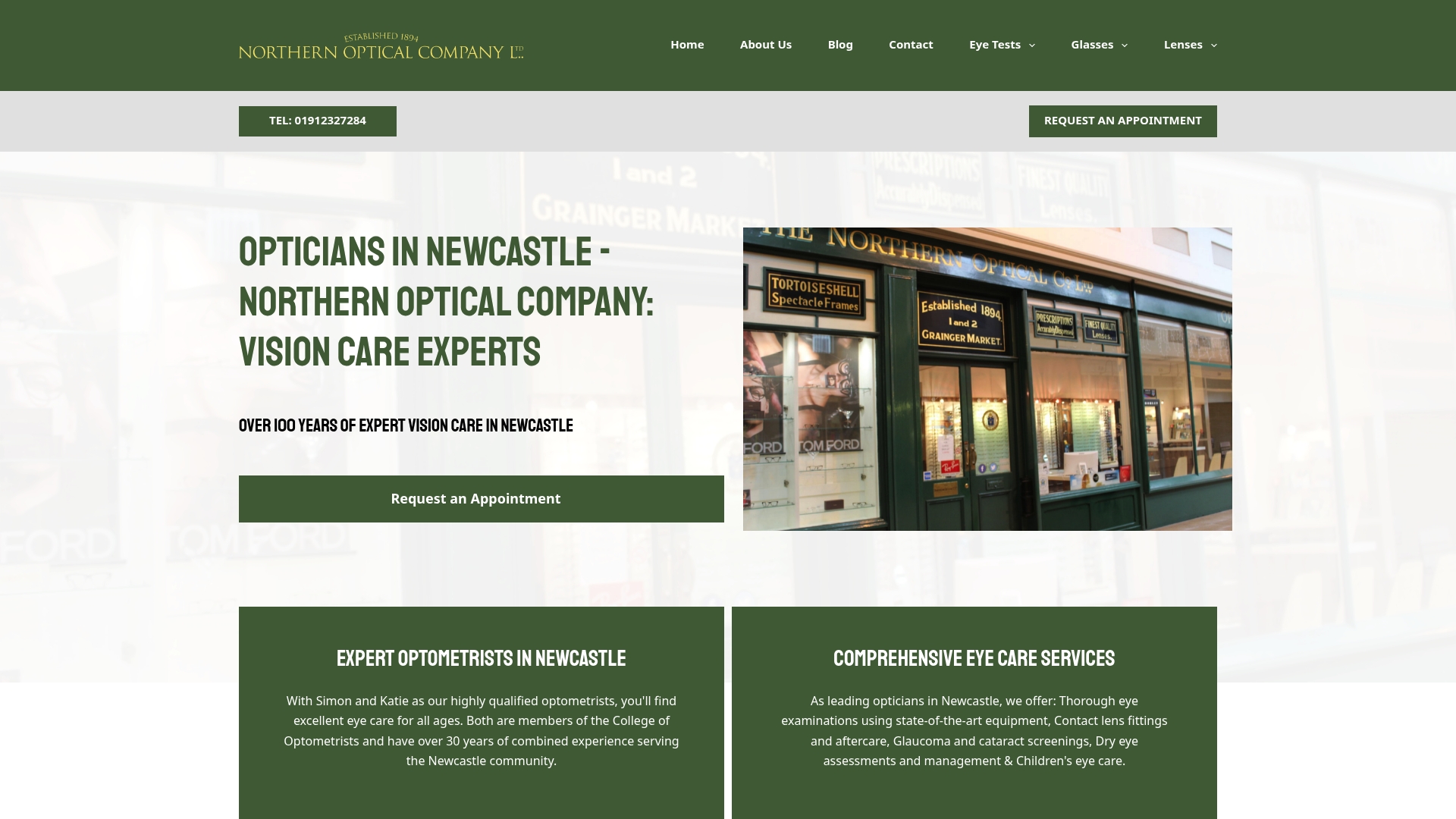
Do not wait for symptoms to appear or for vision to fade. Book your comprehensive eye test today at Northern Optical Company and give yourself, or your loved ones, the gift of lifelong clarity. Explore more about our NHS Sight Test eligibility or see our complete eye care services now.
Recommended Articles
- Why Your Eye Health Matters: Essential Care Tips in 2025
- 6 Signs You Need an Eye Test: When To Get Eye Tests
- Best Eye Care Practices for Every Lifestyle in 2025