
Contact lens allergies can turn clear vision into an aggravating daily battle. Over 70 percent of contact lens wearers experience eye discomfort or allergy symptoms at some point. People usually blame the pollen or the dust swirling outside. The real surprise? Sometimes the culprit lurks in your contact lens solution or even the lenses themselves. Here is why skipping regular hygiene, wearing lenses too long or choosing the wrong material could spark more than just watery eyes.
Table of Contents
- Understanding Contact Lens Allergies And Their Causes
- Recognising Symptoms In Different Age Groups And Lifestyles
- Practical Tips To Prevent Contact Lens Allergies
- When To Seek Help And Safer Alternatives
Quick Summary
| Takeaway | Explanation |
|---|---|
| Daily Disposable Lenses Are Beneficial | Switching to daily disposable lenses reduces allergen accumulation and protein deposits, lowering the risk of reactions and simplifying hygiene maintenance. |
| Recognise Critical Symptoms | Be vigilant for symptoms such as persistent redness, intense pain, or significant vision changes, which require immediate professional consultation to prevent severe complications. |
| Hygiene is Key | Strict hand hygiene and proper lens handling techniques are crucial in preventing contact lens allergies, including washing hands before and avoiding eye rubbing. |
| Eye Care Consultations Are Essential | Regular eye examinations allow for early detection and personalised management of potential allergic reactions, ensuring optimal eye health and comfort. |
| Environmental Awareness Can Help | Monitor local pollen counts, use air purifiers, and wear sunglasses outdoors to create a barrier against airborne allergens, thus preventing contact lens allergies. |
Understanding Contact Lens Allergies and Their Causes
Contact lens allergies represent a complex interaction between lens materials, solutions, environmental factors, and individual immune responses. These allergic reactions can transform a typically comfortable vision correction method into an uncomfortable and potentially painful experience for wearers.
Types of Contact Lens Allergic Reactions
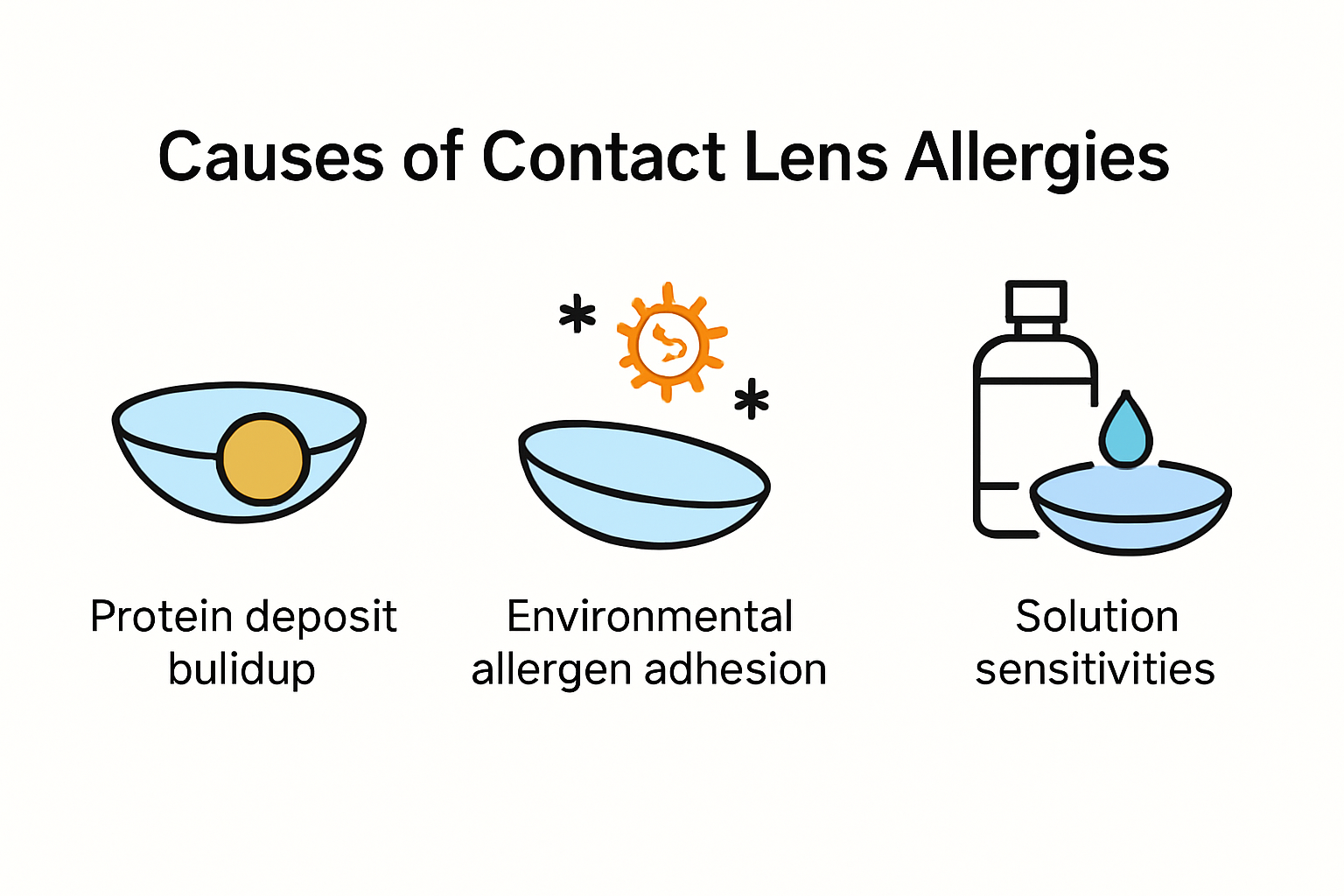
Contact lens allergies manifest through multiple mechanisms, each with unique triggers and symptoms. Understanding these variations helps wearers identify and address potential allergic responses more effectively.
Protein Deposit Allergies
Non-disposable contact lenses accumulate protein deposits over time, which can trigger significant allergic reactions. According to research from the Centre for Sight, these protein accumulations lead to conjunctival irritation, causing symptoms like excessive tearing, persistent itching, and noticeable eye redness. Switching to daily disposable lenses significantly reduces this risk by providing a fresh, clean lens surface each day.
Environmental Allergen Interactions
Contact lenses can become unintentional carriers for airborne allergens. Research indicates that substances like pollen, mould spores, and pet dander can adhere to lens surfaces, creating direct contact with sensitive eye tissues. This proximity intensifies allergic responses, making lens wearers particularly susceptible during high-pollen seasons or in environments with significant airborne particulates.
Chemical Sensitivity and Solution Allergies
Contact lens solutions themselves can provoke allergic reactions. Preservatives and chemical compounds designed to clean and disinfect lenses might trigger immune responses in sensitive individuals. Symptoms often include burning sensations, increased eye redness, and unusual discharge.
Certain individuals demonstrate heightened sensitivity to specific chemical compositions. For some, switching to preservative-free solutions or hydrogen peroxide-based cleaning systems can dramatically reduce allergic reactions. Learn more about managing contact lens discomfort through our comprehensive guide.
Prevention and Management Strategies
Managing contact lens allergies requires a multifaceted approach:
- Regular Lens Replacement: Use daily disposable lenses to minimise protein and allergen accumulation
- Careful Solution Selection: Choose hypoallergenic, preservative-free cleaning solutions
- Environmental Awareness: Monitor pollen counts and consider protective eyewear during high-allergen periods
- Professional Consultation: Regular eye examinations help identify and address potential allergic triggers
While contact lens allergies can be challenging, understanding their mechanisms empowers wearers to make informed decisions about eye health and comfort. Proper hygiene, thoughtful product selection, and professional guidance form the cornerstone of effective management.
Recognising Symptoms in Different Age Groups and Lifestyles
Contact lens allergies manifest uniquely across various age groups and lifestyles, presenting a complex landscape of symptoms that require nuanced understanding and targeted management strategies.
Symptoms Across Age Ranges
Allergic eye reactions to contact lenses differ significantly between children, young adults, and seniors. According to the College of Optometrists, early recognition of allergic conjunctivitis symptoms is crucial for effective management.
In children, contact lens allergies often present with more pronounced physical symptoms. Young wearers might experience dramatic eyelid swelling, intense itching, and rapid tear production. Parents should watch for signs of persistent eye rubbing or sudden reluctance to wear contact lenses.
Young adults typically report more subtle symptoms. Research from Allergy UK indicates this group experiences persistent irritation, including burning sensations, mild redness, and a constant feeling of grittiness beneath contact lenses.
Senior contact lens wearers may have reduced sensitivity but increased vulnerability to allergic reactions. Symptoms like chronic dryness, reduced lens tolerance, and slower healing responses become more prominent with age.
Lifestyle Impact on Allergic Reactions
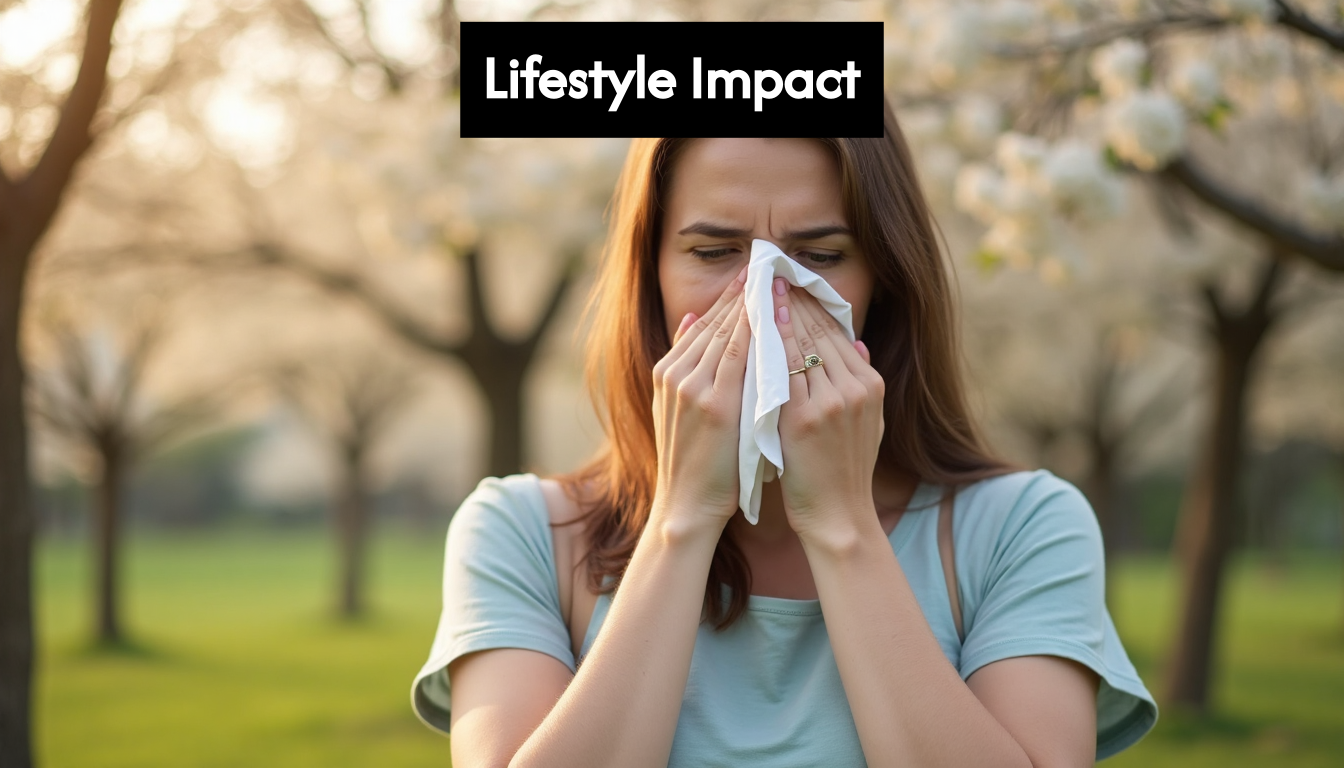
Lifestyle factors dramatically influence contact lens allergy manifestations. Outdoor enthusiasts and individuals with active professional environments face heightened risks. Research highlights that people exposed to variable environmental conditions experience more intense allergic responses.
Athletes and outdoor workers encounter unique challenges. Increased eye moisture, dust exposure, and prolonged lens wear can exacerbate allergic symptoms. Cyclists, runners, and construction workers might notice more rapid protein buildup and allergen adhesion on lens surfaces.
Professionals working in air-conditioned environments or with significant screen time report different symptom patterns. Reduced blinking and increased eye strain can intensify allergic reactions, creating a complex interplay between environmental conditions and lens sensitivity.
Detection and Management Strategies
Recognising allergic symptoms requires careful observation and proactive management. Key indicators include:
- Persistent eye redness beyond normal lens wear
- Increased sensitivity to light
- Unusual discharge or mucus production
- Frequent eye rubbing or discomfort
- Blurred vision that doesn’t improve with lens adjustment
Explore our comprehensive guide to eye care practices to understand how different lifestyles impact eye health. Professional consultation remains the most reliable method for accurate diagnosis and personalised treatment across all age groups and lifestyle variations.
Understanding these nuanced symptom variations empowers contact lens wearers to maintain optimal eye health, regardless of age or daily activities. Awareness, regular check-ups, and adaptive strategies form the foundation of effective allergy management.
Practical Tips to Prevent Contact Lens Allergies
Preventing contact lens allergies requires a strategic approach that combines proactive management, careful hygiene, and informed decision-making. By implementing targeted strategies, contact lens wearers can significantly reduce their risk of allergic reactions and maintain optimal eye health.
Hygiene and Handling Techniques
Hand hygiene forms the cornerstone of preventing contact lens allergies. According to the College of Optometrists, maintaining strict hand washing protocols before lens handling is crucial. Wash hands thoroughly with soap and water, using a lint-free towel for drying to prevent potential irritant transfer.
Avoid touching or rubbing your eyes while wearing contact lenses. This simple practice minimises the introduction of allergens and reduces the risk of transferring bacteria or environmental irritants directly onto the lens surface. Patients with seasonal allergies should be particularly vigilant about this recommendation.
Lens Selection and Seasonal Strategies
UK contact lens specialists recommend switching to daily disposable lenses during high-allergen periods. These single-use lenses provide several advantages:
- Reduced Allergen Accumulation: Fresh lens each day means no protein or allergen buildup
- Improved Hygiene: Eliminates the need for complex cleaning routines
- Lower Infection Risk: Minimises potential contamination from repeated use
During peak allergy seasons, consider alternating between contact lenses and glasses. Learn more about safe contact lens practices to understand how to manage eye health effectively.
Environmental and Lifestyle Management
Environmental awareness plays a critical role in preventing contact lens allergies. Implement these practical strategies:
- Use air purifiers with HEPA filters to reduce indoor allergens
- Close windows during high pollen count days
- Wear wraparound sunglasses outdoors to create a physical barrier against airborne particles
- Clean contact lens storage cases weekly with recommended solutions
- Replace contact lens cases every three months
Additional preventive measures include:
- Monitoring local pollen forecasts
- Using preservative-free eye drops designed for contact lens wearers
- Consulting an eye care professional about potential allergy management medications
Professional eye examinations remain the most effective method for personalised allergy prevention. Regular check-ups allow optometrists to assess individual risk factors, recommend tailored solutions, and detect early signs of potential allergic complications.
By combining meticulous hygiene, intelligent lens selection, and environmental awareness, contact lens wearers can effectively minimise the risk of allergic reactions. Understanding and implementing these strategies empowers individuals to enjoy clear vision without compromising eye health.
When to Seek Help and Safer Alternatives
Navigating contact lens allergies requires understanding the critical moments when professional intervention becomes necessary and exploring alternative vision correction methods that minimise allergic risks.
Recognising Critical Warning Signs
According to Allergy UK, certain symptoms demand immediate professional attention. Warning signs that indicate urgent medical consultation include:
- Persistent eye redness lasting more than 24-48 hours
- Sharp or intense eye pain
- Significant vision changes or blurriness
- Unusual discharge or excessive tearing
- Swelling around the eyelids that does not subside
- Increased light sensitivity
The College of Optometrists emphasises that these symptoms could signal more severe complications beyond typical allergic reactions. Prompt professional assessment helps prevent potential long-term eye health issues.
Safer Vision Correction Alternatives
For individuals experiencing recurring contact lens allergies, several alternative vision correction methods offer reduced allergic risk:
Daily Disposable Lenses
Vision specialists recommend daily disposable lenses as the safest option for allergy-prone individuals. These lenses provide multiple advantages:
- Minimal allergen accumulation
- Reduced protein deposit build-up
- Lower infection risk
- Simplified hygiene maintenance
Alternative Vision Solutions
When contact lens allergies become persistent, consider exploring alternative vision correction methods:
- Prescription glasses with advanced coatings
- Laser vision correction procedures
- Specialised hypoallergenic contact lens materials
Learn more about comprehensive eye care options to understand the full range of vision correction strategies available.
Professional Management and Long-Term Strategies
Managing contact lens allergies requires a comprehensive approach. Professional eye care practitioners can:
- Conduct detailed allergy sensitivity tests
- Recommend personalised lens materials
- Provide targeted treatment for underlying allergic conditions
- Suggest lifestyle and environmental modifications
Individuals should schedule comprehensive eye examinations at least annually, or more frequently if experiencing persistent allergic symptoms. These consultations allow for early detection, personalised advice, and proactive management of potential eye health challenges.
Understanding when to seek professional help and exploring safer alternatives empowers contact lens wearers to maintain optimal eye health. By remaining vigilant, informed, and proactive, individuals can effectively manage and mitigate contact lens allergies, ensuring clear vision and comfort.
Frequently Asked Questions
What are the main causes of contact lens allergies?
Contact lens allergies can be triggered by several factors including protein deposits on non-disposable lenses, airborne allergens like pollen and pet dander adhering to the lens surfaces, and sensitivity to chemical components in contact lens solutions.
What symptoms indicate a contact lens allergy?
Common symptoms of contact lens allergies include persistent eye redness, intense itching, excessive tearing, and discomfort while wearing lenses. In severe cases, there may be significant vision changes or swelling around the eyelids.
How can I prevent contact lens allergies?
To prevent contact lens allergies, maintain strict hygiene by washing hands before lens handling, consider switching to daily disposable lenses to reduce allergen accumulation, and monitor local pollen counts to adapt your lens-wearing habits accordingly.
When should I seek professional help for contact lens allergies?
Seek professional help if you experience persistent eye redness that lasts more than 24-48 hours, sharp eye pain, significant changes in vision, or any unusual discharge from the eyes. Prompt attention can help prevent long-term complications.
Take Control of Contact Lens Comfort with Personalised Local Support
Suffering from itchy, red, or uncomfortable eyes due to contact lens allergies makes each day a challenge, especially when all you want is clear vision and peace of mind. The article has highlighted the frustration of protein deposits, chemical sensitivities, and environmental triggers that turn lenses from a convenience into a daily discomfort. At Northern Optical Company, our family-run practice listens to these concerns every day and delivers clinical expertise alongside caring advice, so you can worry less and enjoy wearing your lenses again.
Step into a new era of eye comfort and confidence. Whether you need allergy-friendly daily disposable lenses, a thorough eye examination to pinpoint causes, or genuine advice on the best eyewear for your lifestyle, our Newcastle-based team is here to help. Book your next visit at Northern Optical Company and let us create a solution tailored to you. Acting now means you can prevent long-term discomfort and keep your eyes healthy for years to come.
Recommended Articles
- Contact Lens Eye Infections Guide 2025
- Contact lenses and eye health: Keeping eyes safe | 2025
- Top Tips for Safe Contact Lens Use in 2025: A Guide for Every Lifestyle