
Vision troubles can often sneak up on you. It is estimated that about 50% of adults have uncorrected vision problems. But here’s the shocker. Many people fail to recognise the early warning signs until it’s too late. Because ignoring these symptoms can lead not just to diminished eyesight but also to severe health complications.
Table of Contents
- Signs You Need An Eye Check
- Common Symptoms Needing Eye Test
- Why Regular Eye Tests Matter
- How Often Should You Get Eye Tests
Quick Summary
| Takeaway | Explanation |
|---|---|
| Recognise Visual Warning Signs | Watch for critical symptoms like blurred vision, frequent headaches, and difficulty seeing at night, which may indicate underlying eye conditions needing professional assessment. |
| Get Regular Eye Checks Based on Risk Factors | Individuals with diabetes, those over 60, or those with a family history of eye diseases should have more frequent eye tests as recommended by healthcare professionals. |
| Understand Recommended Testing Frequency | General guidelines suggest eye tests every two years for young adults, annual tests for adults over 40, and more frequent checks for high-risk individuals or those with specific eye conditions. |
| Consider the Emotional Impact of Vision Changes | Be aware that vision problems can significantly affect mental health, leading to increased anxiety and depression, emphasizing the importance of proactive eye care. |
| Comprehensive Health Screening | Regular eye tests can detect serious health issues like high blood pressure and heart disease, making them vital for overall health beyond just vision correction. |
Signs You Need an Eye Check
Recognising when to get an eye test can be crucial for maintaining your vision and overall eye health. While routine eye examinations are recommended, certain symptoms and circumstances signal that you should schedule an eye check without delay.
Visual Warning Signs That Demand Immediate Attention
Your eyes communicate important health signals that should never be ignored. Persistent or sudden changes in vision can indicate underlying issues requiring professional assessment. Watch for these critical warning signs:
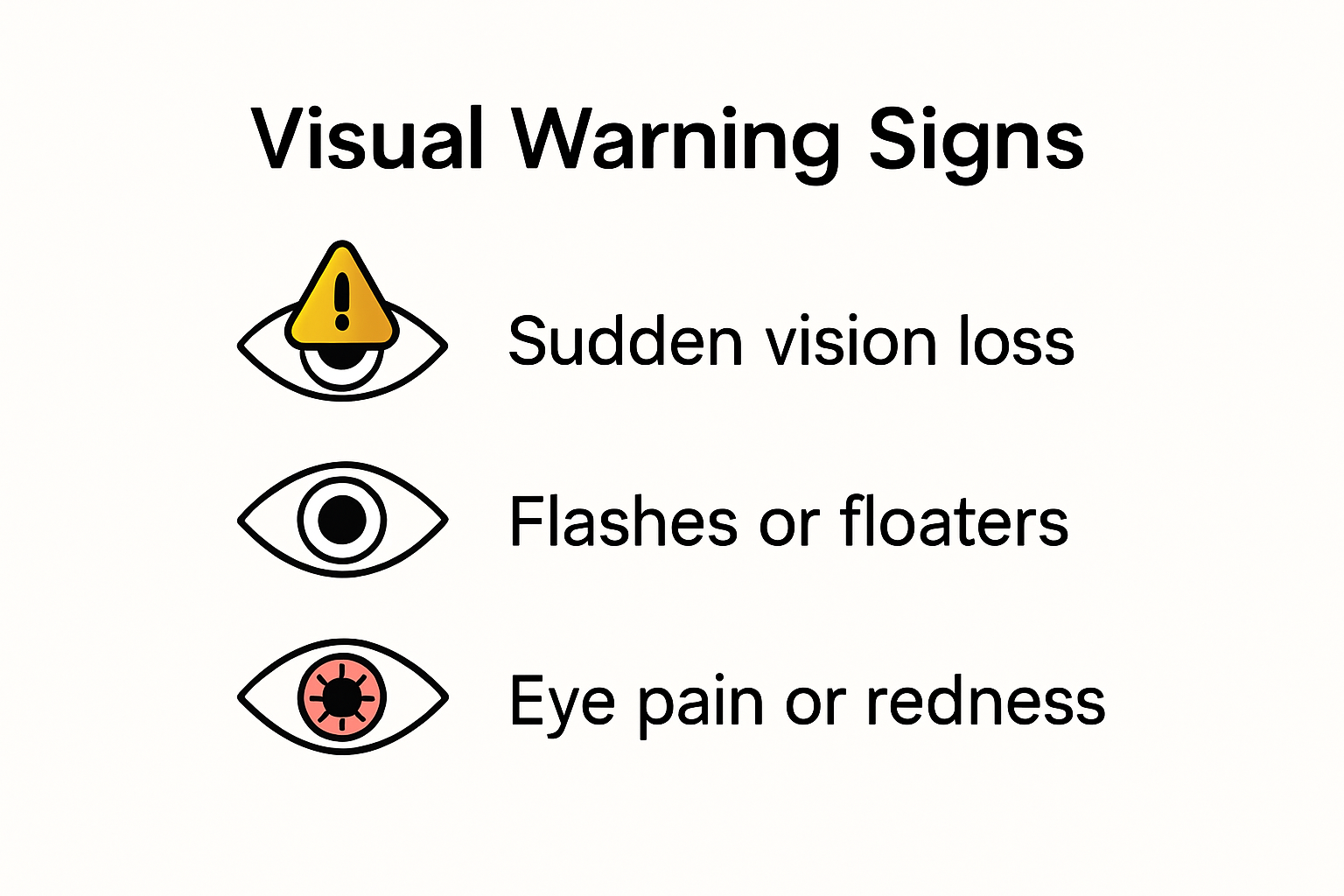
- Blurred or Distorted Vision: If objects appear fuzzy or warped, especially when reading or looking at screens, this could suggest refractive errors or potential eye conditions.
- Frequent Headaches: Recurring headaches, particularly after visual tasks like reading or computer work, might indicate eye strain or vision problems.
- Difficulty Seeing at Night: Struggling to see clearly in low light conditions could signal developing vision challenges or early signs of eye disease.
Medical Conditions and Risk Factors Requiring Regular Eye Checks
Certain medical conditions significantly increase your risk of eye health complications. According to the NHS, specific groups require more frequent eye examinations:
- People diagnosed with diabetes face higher risks of retinal damage and should have regular comprehensive eye checks.
- Individuals aged 60 and over are more susceptible to age-related eye conditions like glaucoma and macular degeneration.
- Those with a family history of eye diseases such as glaucoma need more frequent screenings, especially if aged 40 or above.
Professional Recommendations for Eye Test Frequency
The College of Optometrists recommends tailored eye examination intervals based on individual clinical needs. While general guidelines suggest testing every two years, specific circumstances might require more frequent checks:
- Young Adults: Every two years, assuming no existing vision problems.
- Adults Over 40: Annual eye examinations to monitor potential age-related changes.
- High-Risk Individuals: As recommended by healthcare professionals, potentially every six to twelve months.
Additionally, the NHS Business Services Authority highlights that certain groups qualify for free NHS eye tests, including:
- Individuals aged 60 and above
- People diagnosed with diabetes or glaucoma
- Those aged 40+ with a close relative with glaucoma history
Remember, these signs are not definitive diagnoses but critical indicators that warrant professional evaluation. Your vision is precious, and proactive monitoring can prevent potential long-term complications.
Trust your instincts. If something feels different or unusual with your vision, book an eye test promptly. Early detection remains the most effective strategy in maintaining optimal eye health.
Common Symptoms Needing Eye Test
Vision problems can manifest through various subtle and not-so-subtle signals that demand professional attention. Understanding these symptoms helps you proactively manage your eye health before minor issues escalate into significant complications.
Physical Discomfort and Visual Disturbances
Your body communicates potential vision challenges through several physical indicators. Research from Wiley Online Library highlights key symptoms associated with vision problems, particularly Digital Eye Strain (DES):
- Persistent Headaches: Recurring headaches, especially after prolonged screen time or reading, might indicate underlying vision issues.
- Blurred or Fluctuating Vision: Difficulty focusing or experiencing intermittent clarity suggests potential refractive errors or eye muscle imbalances.
- Eye Fatigue and Strain: Feeling tired or experiencing discomfort in your eyes after visual tasks signals potential vision problems.
Emotional and Psychological Impact of Vision Changes
Vision problems extend beyond physical symptoms, significantly affecting emotional well-being. According to Pocklington Trust Research, vision challenges can profoundly impact mental health:
- Emotional Stress: 55% of individuals report that vision problems directly affect their emotional state.
- Increased Anxiety: 16% experience heightened anxiety related to vision challenges.
- Frustration Levels: 24% of people feel frustrated when experiencing vision difficulties.
Critical Warning Signs Requiring Immediate Attention
Vision Matters UK emphasises that even minor vision reduction can significantly impact life quality. Warning signs include:
- Reduced Depth Perception: Struggling to judge distances accurately or experiencing spatial awareness challenges.
- Night Vision Difficulties: Increased trouble seeing clearly in low light conditions, particularly while driving.
- Sudden Visual Changes: Unexpected alterations in vision, such as dark spots, sudden flashes, or peripheral vision disruptions.
Research reveals that untreated vision problems can lead to serious consequences:
- 3x higher risk of depression
- Double risk of experiencing falls
- Increased likelihood of early mortality
These statistics underscore the critical importance of recognising and addressing vision symptoms promptly. Your eyes are complex sensory organs that communicate health status through various signals.
While some symptoms might seem minor, they could indicate underlying conditions requiring professional assessment. Trust your body’s signals and prioritise regular eye examinations. Early detection and intervention can prevent potential long-term vision complications and maintain overall health and quality of life.
Why Regular Eye Tests Matter
Regular eye tests extend far beyond simply checking vision clarity. They serve as comprehensive health screenings that can unveil critical insights about your overall physical wellbeing, making them an essential component of preventative healthcare.
Beyond Vision: Comprehensive Health Screening
Vision Matters UK reveals that eye examinations can detect a remarkable range of serious health conditions, including:
- High Blood Pressure: Eye blood vessels provide direct visual evidence of cardiovascular health.
- Raised Cholesterol: Distinctive changes in retinal blood vessels can indicate cholesterol abnormalities.
- Heart Disease: Early cardiovascular risks can be spotted through detailed eye examinations.
- Potential Brain Tumours: Unusual optic nerve changes might signal underlying neurological issues.
Impact on Quality of Life and Mental Health
Neglecting eye health can have profound consequences beyond visual impairment. Research demonstrates significant correlations between vision and overall life quality:
- Depression Risk: Individuals with vision problems are three times more likely to experience depression.
- Fall Risks: Poor vision doubles the likelihood of experiencing potentially dangerous falls.
- Mortality Concerns: Untreated vision issues are associated with double the risk of early mortality.
Cognitive Health and Vision Connection
Emerging research highlights an unexpected link between eye health and cognitive function. Groundbreaking studies suggest that:
- Approximately one in five dementia cases may be directly connected to unaddressed eyesight issues.
- Regular eye tests can serve as an early warning system for potential cognitive decline.
- Maintaining good vision supports continued mental engagement and neurological health.
Professional eye examinations provide a unique window into your body’s internal workings. They are far more than simple vision checks—they are comprehensive health assessments that can detect potential issues before they become serious.
By prioritising regular eye tests, you’re not just protecting your vision. You’re investing in a proactive approach to your overall health, potentially catching critical conditions early and improving long-term health outcomes.
Remember, your eyes are intricate biological sensors that communicate crucial information about your body’s internal systems. Treating them with regular professional attention is an investment in your current and future wellbeing.
How Often Should You Get Eye Tests
Determining the optimal frequency for eye tests depends on multiple factors, including age, health conditions, and individual risk profiles. Understanding these nuanced guidelines helps you maintain optimal eye health and catch potential issues early.
Standard Recommendations for Different Age Groups
NHS England provides clear guidance on eye test frequency across different life stages:
- Children: First eye test between ages 3-5, then as recommended by healthcare professionals.
- Young Adults (18-39): Recommended every two years, assuming no existing vision problems or health risks.
- Adults (40-60): Annual eye examinations to monitor age-related vision changes.
- Seniors (60+): Annual or more frequent tests, depending on individual health conditions.
Factors Influencing Test Frequency
The College of Optometrists emphasises a patient-centered approach to eye test intervals. Key factors include:
- Family Medical History: Genetic predisposition to eye conditions like glaucoma or macular degeneration.
- Existing Health Conditions: Diabetes, hypertension, and autoimmune disorders can impact eye health.
- Occupational Risks: Jobs involving prolonged screen time or potential eye strain.
- Previous Eye Surgeries or Treatments: May require more frequent monitoring.
Special Circumstances Requiring More Frequent Tests
Certain groups need more rigorous eye health monitoring. According to NHS guidelines:
- Diabetic Patients: Recommended annual comprehensive eye examinations to monitor retinal health.
- Contact Lens Wearers: Annual tests to assess lens fit and eye health.
- Individuals with High Blood Pressure or Cardiovascular Risks: More frequent screenings to detect potential complications.
- People with Known Eye Conditions: Frequency determined by specialist recommendations, potentially every 3-6 months.
While general guidelines suggest a two-year interval for most adults, individual needs vary significantly. Factors like lifestyle, overall health, and genetic predispositions play crucial roles in determining the ideal eye test frequency.
Proactive communication with your optometrist is key. They can provide personalised advice based on your unique health profile, ensuring you receive the most appropriate eye care.
Remember, these recommendations are guidelines. Your personal healthcare professional remains the best source of tailored advice for your specific eye health needs. Regular eye tests are an investment in your overall health, potentially catching issues before they become serious problems.
Frequently Asked Questions
What are the signs that I need an eye test?
Signs that you may need an eye test include blurred or distorted vision, frequent headaches, difficulty seeing at night, eye fatigue, and sudden changes in vision.
How often should I get my eyes tested?
It is generally recommended to have your eyes tested every two years if you’re under 40, annually if you’re over 40, or more frequently if you have specific health conditions or risk factors.
What medical conditions require more frequent eye tests?
Individuals with diabetes, those over 60, and people with a family history of eye diseases such as glaucoma should have more frequent eye examinations to monitor their eye health.
Can vision problems affect my mental health?
Yes, vision problems can significantly impact mental health, leading to increased anxiety and depression. Regular eye tests can help address these issues early on.
Don’t Wait for the Warning Signs – Prioritise Your Eye Health Today!
Ignoring those subtle signals from your eyes, such as blurred vision, frequent headaches, or difficulty seeing at night can lead to critical complications down the line. As highlighted in our latest article on the 6 Signs You Need an Eye Test, recognizing these issues sooner rather than later can drastically improve your overall health and wellbeing. At Northern Optical Company, we understand that your sight is precious and deserves expert care.
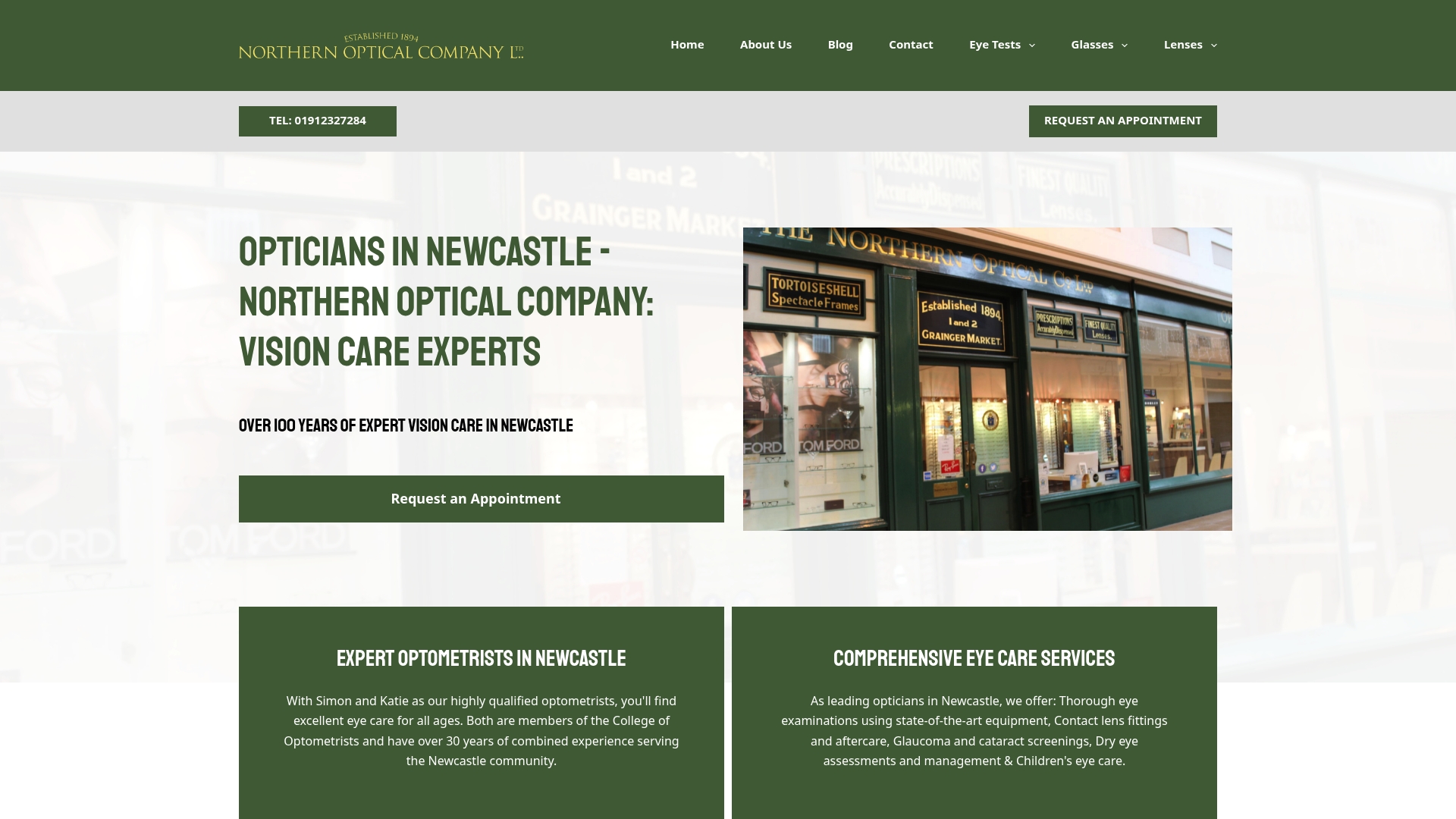
Our dedicated team is ready to assist you with comprehensive eye examinations, including NHS-funded tests and advanced digital retina scans to identify any potential concerns early. Plus, with our home visit eye tests, we ensure everyone can access essential eye care, regardless of mobility. Don’t let your vision problems impact your life quality or mental health any longer. Schedule your eye test today at Northern Optical Company and take the first step towards clearer vision and healthier living!