

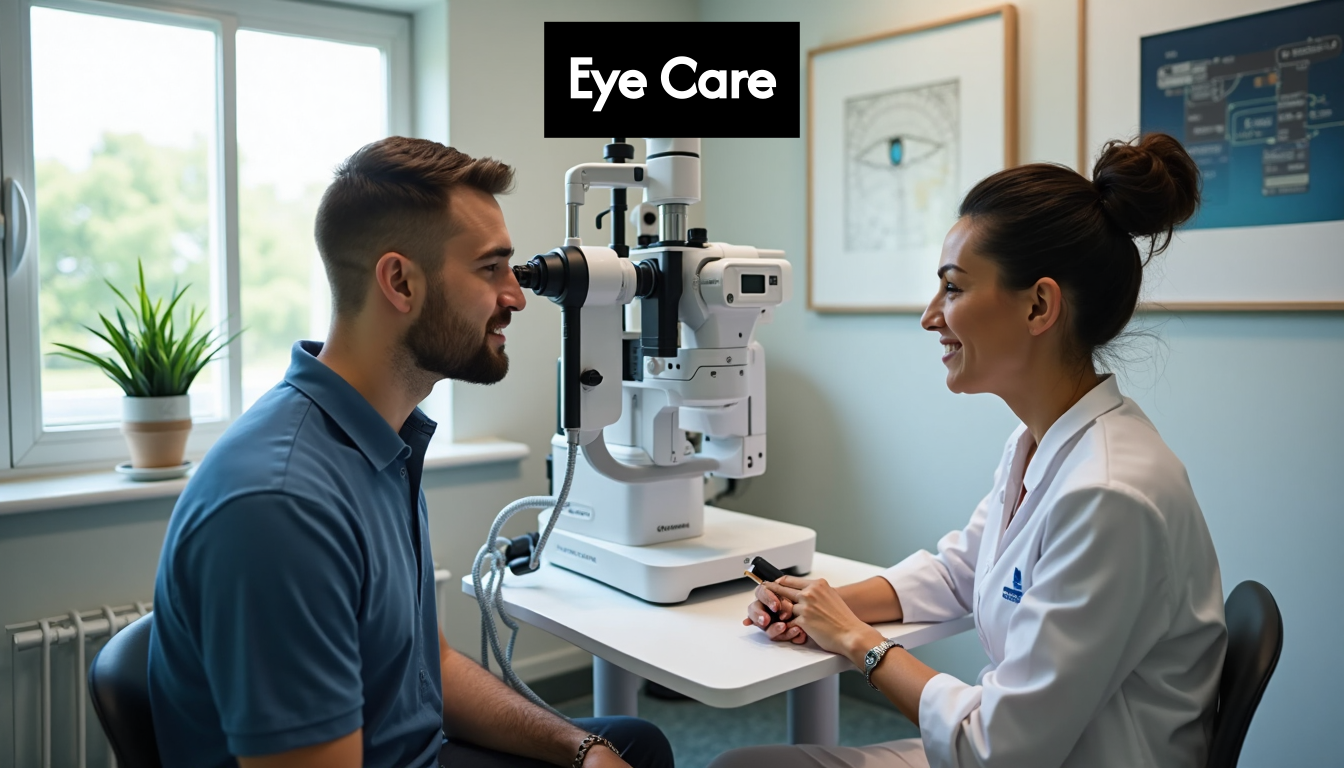
Eye care in 2025 is about much more than squinting at screens and grabbing the odd carrot. Here is the eye-opener: nineteen million UK adults are risking their vision simply by skipping regular check-ups. Most people believe dropping into the opticians once every few years and tossing on a pair of sunglasses is enough. The truth is your daily habits, what you eat, and how you manage screen time matter far more than you might think.
Table of Contents
- Daily Habits To Protect Your Vision
- Eye Care Tips For Different Age Groups
- Specialised Practices For Common Lifestyles
- Recognising Warning Signs And When To Seek Help
Quick Summary
| Takeaway | Explanation |
|---|---|
| Implement the 20-20-20 rule | To reduce digital eye strain, every 20 minutes, look at something 20 feet away for 20 seconds. |
| Prioritise regular eye examinations | Adults should have comprehensive eye tests at least every two years to catch potential issues early. |
| Adopt a nutrient-rich diet for eye health | Foods rich in omega-3 fatty acids, lutein, and vitamins C and E should be incorporated to maintain optimal vision. |
| Recognise red flags in eye health | Immediate symptoms like sudden vision loss or persistent pain warrant urgent medical attention to prevent irreversible damage. |
| Tailor eye care practices to lifestyle and age | Different age groups and professions require specific strategies for effective eye care, from children to seniors and digital workers. |
Daily Habits to Protect Your Vision
Protecting your vision requires more than just occasional check-ups. Daily habits play a crucial role in maintaining eye health and preventing potential vision problems. Understanding and implementing simple yet effective eye care practices can significantly reduce the risk of eye strain, fatigue, and long-term vision deterioration.
Screen Time and Digital Eye Protection
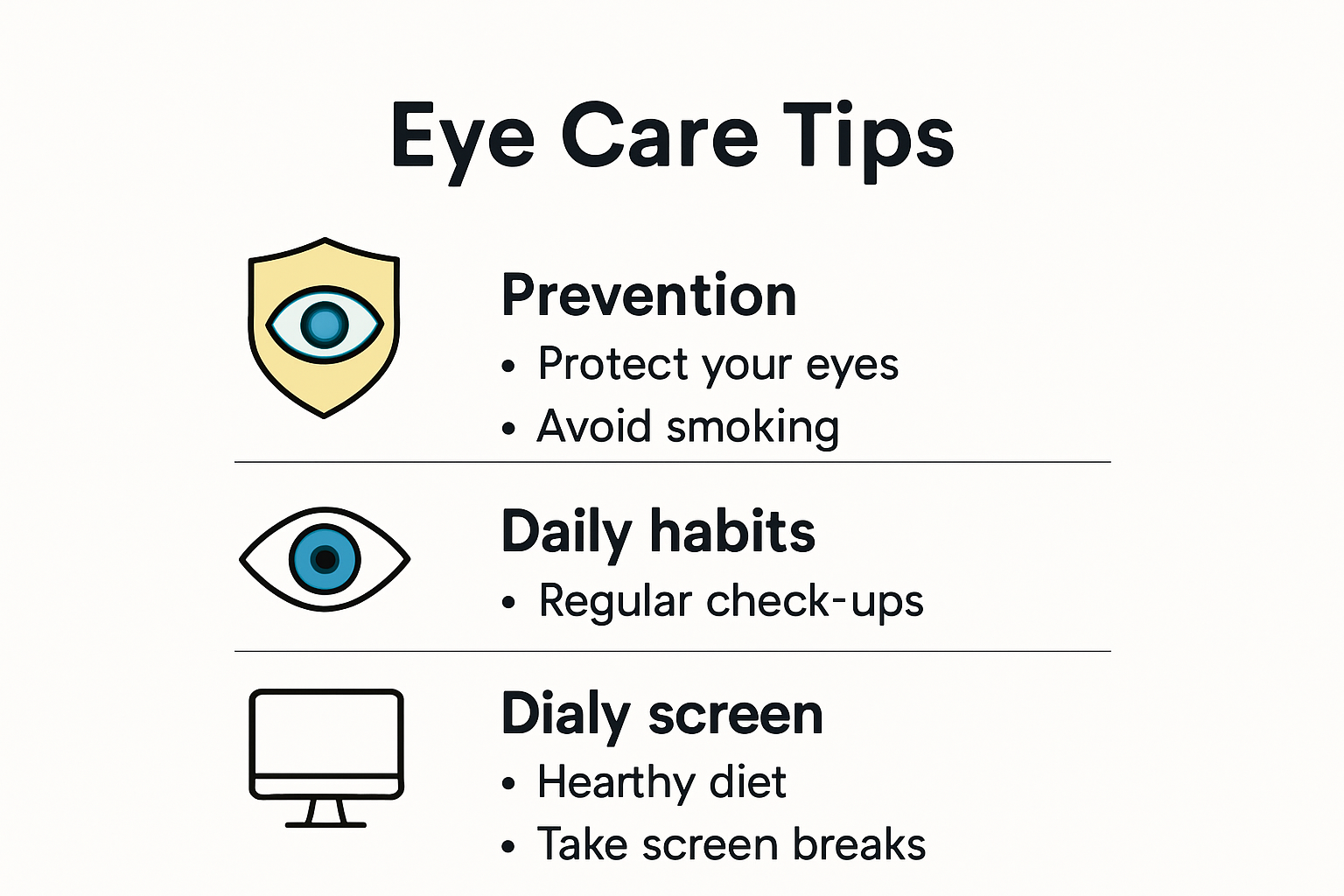
In our increasingly digital world, prolonged screen exposure poses a significant challenge to eye health. Professionals and individuals spending hours in front of digital devices need strategic approaches to protect their vision. The 20-20-20 rule recommended by eye health experts provides a practical solution: every 20 minutes, look at something 20 feet away for 20 seconds. This simple technique helps reduce digital eye strain by giving your eyes a much-needed break from close-focus work.
Additionally, consider adjusting your device settings to minimise eye stress. Reduce screen brightness, use blue light filtering applications, and ensure proper ambient lighting to decrease eye fatigue. Ergonomic positioning matters too – position screens slightly below eye level and maintain a comfortable distance to reduce unnecessary eye muscle tension.
Nutrition and Lifestyle Choices
Your diet plays a fundamental role in maintaining optimal eye health. Nutrients like omega-3 fatty acids, lutein, zinc, and vitamins C and E contribute to vision protection. Incorporate foods such as leafy green vegetables, fish, nuts, and citrus fruits into your daily diet. Our comprehensive guide on eye health provides deeper insights into nutritional strategies for vision maintenance.
Outdoor exposure also offers unexpected benefits. According to research, spending at least 20 minutes daily in natural light can help maintain eye health and counteract the negative effects of prolonged indoor and digital environments. Sunlight stimulates dopamine production in the retina, which may help prevent myopia progression, especially in children and young adults.
Protective Measures and Regular Check-ups

Protection extends beyond digital habits and nutrition. Wearing sunglasses with proper UV protection, using appropriate eye protection during sports or hazardous work, and maintaining good hygiene are essential practices. Contact lens wearers should follow strict cleaning protocols and avoid sleeping with lenses.
Routine eye examinations remain the cornerstone of preventive eye care. Despite 19 million UK adults risking their vision by skipping regular check-ups, experts recommend comprehensive eye tests at least every two years. These examinations can detect early signs of potential issues, allowing for timely intervention and treatment.
By integrating these daily habits into your lifestyle, you can proactively safeguard your vision. Small, consistent efforts can make a substantial difference in maintaining long-term eye health and preventing unnecessary vision complications.
Eye Care Tips for Different Age Groups
Eye health is not a one-size-fits-all approach. Each age group encounters unique vision challenges that require targeted care strategies. Understanding these specific needs helps individuals proactively manage their eye health throughout their lifetime.
Children and Adolescents: Building Strong Vision Foundations
Early eye care is critical for developmental and academic success. Parents should prioritise regular eye examinations, as many vision problems can be effectively addressed when detected early. Our comprehensive guide on eye health highlights the importance of monitoring children’s visual development.
School-aged children require particular attention. Increased screen time and close-focus activities like reading and digital learning can contribute to myopia progression. Encourage outdoor activities, limit screen exposure, and ensure proper lighting during study times. Paediatric eye tests can detect potential issues like amblyopia, strabismus, or colour vision deficiencies before they significantly impact learning.
Adults and Working Professionals: Managing Digital Strain
Working adults face unique eye health challenges driven by prolonged digital device usage. Professionals spending hours in front of screens are at higher risk of digital eye strain, which can lead to headaches, blurred vision, and long-term eye fatigue. Ergonomic workspace design becomes crucial, including proper screen positioning, anti-glare protection, and regular visual breaks.
Nutrition plays a significant role in maintaining adult eye health. Diets rich in omega-3 fatty acids, lutein, and vitamins C and E can help protect against age-related vision changes. Regular comprehensive eye examinations become increasingly important, with experts recommending biennial check-ups to monitor potential developing conditions.
Seniors: Proactive Vision Protection
As individuals age, the risk of eye-related conditions increases substantially. Over two million people in the UK are affected by significant sight loss, underscoring the critical nature of proactive eye care for seniors. Age-related conditions like cataracts, glaucoma, and macular degeneration require specialized attention and early detection.
Seniors should prioritise more frequent eye examinations, typically annually or as recommended by their optometrist. Adaptive strategies become essential, such as improved home lighting, larger print reading materials, and specialized glasses for different activities. Maintaining overall health through balanced nutrition, regular exercise, and managing chronic conditions like diabetes can significantly impact vision preservation.
Whether you are a child, working professional, or senior, tailored eye care practices can help maintain optimal vision health. By understanding and addressing the unique challenges of each life stage, individuals can protect their most precious sensory experience – their eyesight.
Specialised Practices for Common Lifestyles
Eye care is not a uniform experience but a personalised journey that adapts to individual lifestyles and professional demands. Different occupations, activities, and daily routines require specialised approaches to maintaining optimal vision health.
Professionals and Digital Workers: Protecting Vision in High-Screen Environments
Modern professionals face unprecedented visual challenges due to prolonged digital exposure. Office workers, remote employees, and digital professionals spend hours in front of screens, increasing the risk of digital eye strain and potential long-term vision complications. Our comprehensive guide on professional eye health provides in-depth strategies for workplace vision protection.
Specialised eyewear with blue light filtering technology becomes essential for those working in digital environments. Anti-reflective coatings and specialised lenses can significantly reduce eye fatigue and protect against potential vision deterioration. Employers are increasingly recognising the importance of ergonomic workspaces that prioritise eye health, including adjustable lighting, monitor positioning, and encouraging regular visual breaks.
Athletes and Active Individuals: Performance-Focused Vision Care
Athletes and physically active individuals require unique eye care approaches that support performance and prevent potential injuries. Sports-specific eyewear with impact-resistant lenses and UV protection becomes crucial for outdoor activities. According to research, wearing sunglasses that offer both UVA and UVB protection reduces the risk of long-term eye damage during extended outdoor training or competition.
Contact lens wearers engaged in sports should prioritise specialised lens options designed for high-movement environments. Breathable, moisture-retaining lenses can prevent discomfort during intense physical activities. Additionally, athletes should invest in protective eyewear tailored to their specific sport, whether it involves potential impact risks like cricket, rugby, or precision requirements such as shooting or archery.
Healthcare and High-Precision Professionals: Precision Vision Management
Professionals working in healthcare, laboratory settings, and precision industries demand extraordinary visual accuracy. Surgeons, researchers, and technicians require specialised vision correction that supports intricate tasks and minimises eye strain during extended periods of concentrated work.
Custom-fitted prescription glasses with advanced lens technologies can provide enhanced clarity and reduce visual fatigue. Optometrists recommend periodic comprehensive eye examinations for these professionals, as even minor vision changes can significantly impact their performance and safety. Adaptive lens technologies that adjust to different lighting conditions and provide multiple focal points become invaluable for professionals who transition between varied visual environments.
By recognising that eye care is not a one-size-fits-all solution, individuals can develop targeted strategies that protect their vision while supporting their unique lifestyle and professional requirements. Understanding and implementing specialised eye care practices ensures long-term visual health and performance across diverse life contexts.
Recognising Warning Signs and When to Seek Help
Vision is a critical sensory experience, and understanding potential warning signs can mean the difference between early intervention and permanent damage. Many eye conditions develop gradually, making it essential to recognise subtle changes and respond proactively to potential vision threats.
Immediate Red Flags in Eye Health
Certain symptoms demand immediate professional attention. According to the Royal National Institute of Blind People, sudden vision changes should never be ignored. Critical warning signs include:
- Sudden vision loss or significant vision reduction
- Persistent eye pain or discomfort
- Unexplained flashes of light
- Sudden appearance of floaters or dark shadows in vision
- Sudden double vision
- Severe headaches accompanied by visual disturbances
These symptoms could indicate serious conditions like retinal detachment, glaucoma, or neurological issues that require urgent medical evaluation. Delaying professional consultation can potentially lead to irreversible vision damage.
Age-Related and Chronic Condition Indicators
Some warning signs are more nuanced and develop gradually. Individuals with chronic health conditions like diabetes or hypertension should be particularly vigilant. Dr Paramdeep Bilkhu from The College of Optometrists emphasizes the importance of monitoring vision changes related to underlying health conditions.
Warning signs for individuals with chronic health risks include:
- Gradual blurring of vision
- Difficulty seeing at night
- Increased sensitivity to light
- Colour perception changes
- Difficulty reading or recognising faces
- Regular eye strain or persistent headaches
These symptoms might indicate diabetic retinopathy, age-related macular degeneration, or early-stage vision deterioration. Regular comprehensive eye examinations become crucial for early detection and management.
Professional Assessment and Preventive Strategies
Professional eye care goes beyond symptom recognition. Comprehensive eye examinations provide holistic insights into overall eye health. Experts recommend:
- Annual eye tests for individuals over 40
- Biennial tests for adults between 20-39
- More frequent tests for individuals with family history of eye conditions
- Immediate consultation if any warning signs emerge
Modern diagnostic technologies enable optometrists to detect potential issues before they become significant problems. Advanced screening techniques can identify early signs of conditions like glaucoma, cataracts, and retinal disorders, often before noticeable symptoms develop.
Ultimately, proactive eye health management involves a combination of self-awareness, regular professional check-ups, and immediate response to potential warning signs. By treating your vision as a critical aspect of overall health, you can protect one of your most valuable sensory experiences and maintain long-term visual well-being.
Frequently Asked Questions
What are the best daily habits to protect my vision?
To protect your vision, implement the 20-20-20 rule: every 20 minutes, look at something 20 feet away for 20 seconds. Additionally, maintain an ergonomic workspace, adjust screen brightness, and ensure proper lighting. Regular exercise and a nutrient-rich diet are also crucial for eye health.
How often should I have my eyes tested?
Adults should have comprehensive eye examinations at least every two years. However, individuals over 40 or those at higher risk of eye conditions may benefit from annual check-ups to detect any potential issues early.
What foods are beneficial for eye health?
Foods rich in omega-3 fatty acids, lutein, vitamins C and E are highly beneficial for eye health. Incorporate leafy green vegetables, fish, nuts, and citrus fruits into your diet to support optimal vision.
What should I do if I experience sudden changes in my vision?
If you experience sudden vision loss, persistent pain, or unusual visual symptoms like flashes of light or new floaters, seek immediate professional attention. Early intervention is essential to prevent potential permanent damage.
Take Real Control of Your Eye Health in 2025
You have just read how daily habits, nutrition, and tailored care are changing the way we protect our eyesight. Many people still miss regular check-ups or struggle to manage digital eye strain, leaving their vision at risk. Imagine how different life would feel with professional support and personalised solutions for every family member.
Are you ready to experience exceptional care that adapts to your lifestyle, not the other way around? Book a comprehensive eye test or discuss your next eyewear upgrade with the experienced team at Northern Optical Company. From advanced clinical exams to friendly advice and exclusive frames, we help you put the best practices you have just learned into action today. Do not wait until you notice a problem – protect your eyes for years to come by booking your appointment now.
Recommended Articles