
Choosing contact lenses might seem simple at first glance, but the reality is far more personalised than most expect. Nearly 98 percent of contact lens fits in the UK are for soft lenses, yet the best option for you depends on details like profession, age and even digital habits. Most people focus on vision correction alone. Here’s what surprises many shoppers: the comfort and safety of your eyes actually rely just as much on professional assessment and matching your lens type to your daily life as they do on prescription numbers. This guide reveals how factors like lifestyle, health and even style can shape your perfect contact lens choice.
Table of Contents
- Understanding Your Eyes And Prescription Needs
- Matching Contact Lenses To Your Daily Activities
- Special Considerations For Health And Age Groups
- Practical Tips For Comfort, Safety, And Style
Quick Summary
| Takeaway | Explanation |
|---|---|
| Understanding Your Prescription | Your contact lens prescription consists of crucial details like sphere, cylinder, axis, base curve, diameter, and replacement schedule that ensure optimal vision and eye health. |
| Professional Assessment is Essential | Consult a professional optician for personalized lens selection, comprehensive evaluations of corneal health, tear film analysis, and precise prescription measurements that ensure comfort and effectiveness. |
| Lifestyle Compatibility Matters | Selecting contact lenses tailored to your daily activities and profession enhances comfort and performance, such as using silicone hydrogel lenses for digital environments or daily disposables for active lifestyles. |
| Health Considerations are Key | Be aware that specific health conditions, age-related changes, and individual needs may require specialized lens solutions to prioritise comfort and eye health. |
| Prioritize Comfort and Safety | Maintain a strict hygiene routine, adhere to replacement schedules, and consider safety features like blue light filtering to protect eye health while ensuring comfortable wear. |
Understanding Your Eyes and Prescription Needs
Choosing contact lenses requires a comprehensive understanding of your unique eye health and vision requirements. While many people assume selecting contact lenses is straightforward, the process involves careful assessment and professional guidance. This section will explore the critical elements of understanding your eye prescription and identifying the most suitable contact lens options for your lifestyle.
Decoding Your Eye Prescription Basics
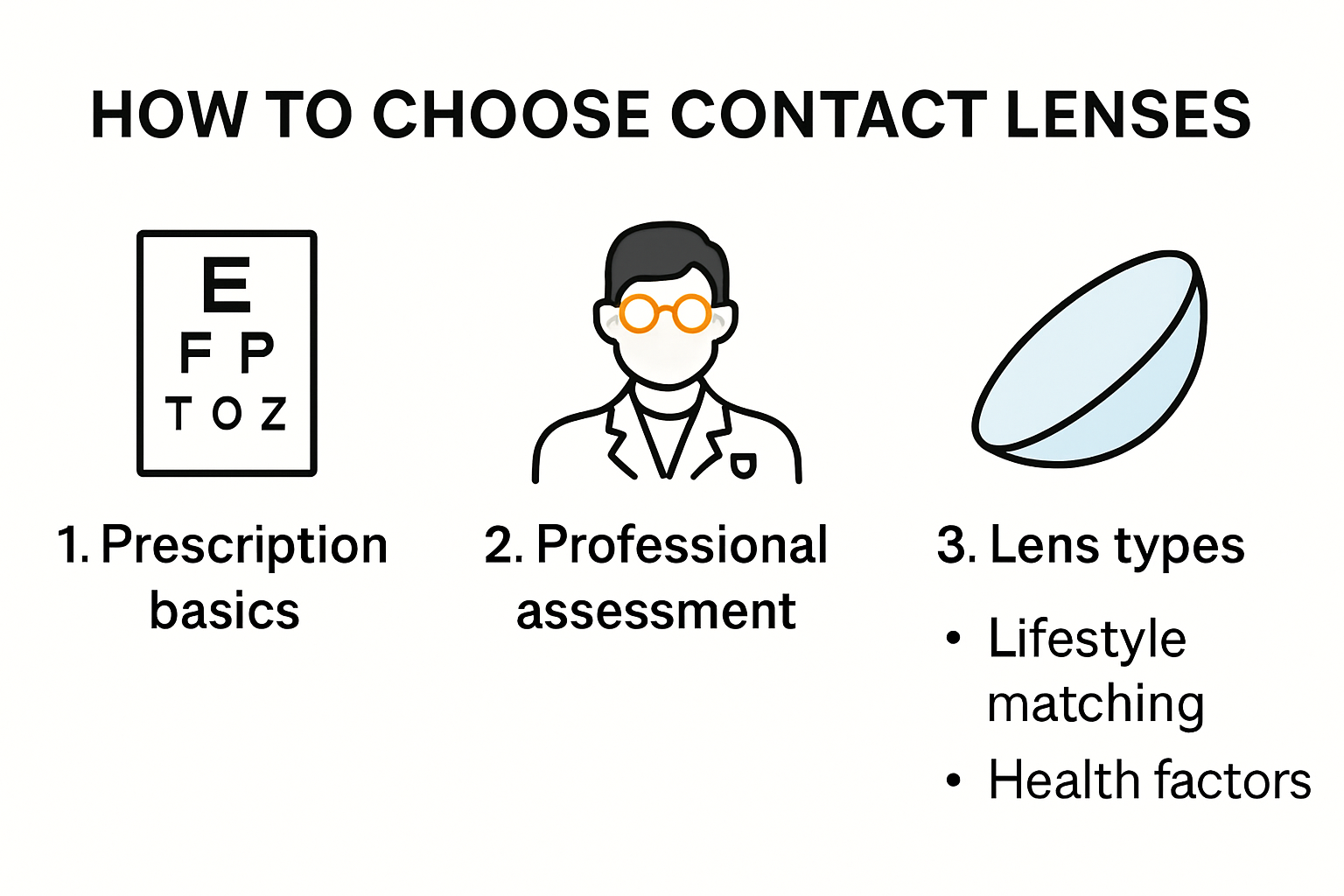
Your contact lens prescription is far more complex than a simple set of numbers. It represents a precise scientific measurement of your vision correction needs. According to our comprehensive contact lens guide, each prescription includes several key components: sphere (SPH) indicating the lens power needed to correct nearsightedness or farsightedness, cylinder (CYL) measuring astigmatism, and axis defining the specific orientation of astigmatism correction.
Professional opticians use advanced diagnostic equipment to determine these measurements with remarkable precision. The prescription also includes critical details like base curve, diameter, and recommended replacement schedule. These parameters ensure not just clear vision but also optimal eye health and comfort.
Personalising Your Vision Correction
Each pair of eyes is unique, much like a fingerprint. Your contact lens needs will depend on multiple factors including age, lifestyle, eye health history, and daily activities. For instance, someone working extensively with digital screens might require different lens specifications compared to an outdoor athlete.
In the UK, nearly 98% of contact lens fits are soft contact lenses, offering flexibility and comfort for most wearers. However, your specific eye condition might necessitate specialized lens types. Individuals with astigmatism, presbyopia, or irregular corneal shapes might need custom-designed lenses that provide more targeted vision correction.
Professional Assessment: The Cornerstone of Perfect Lens Selection
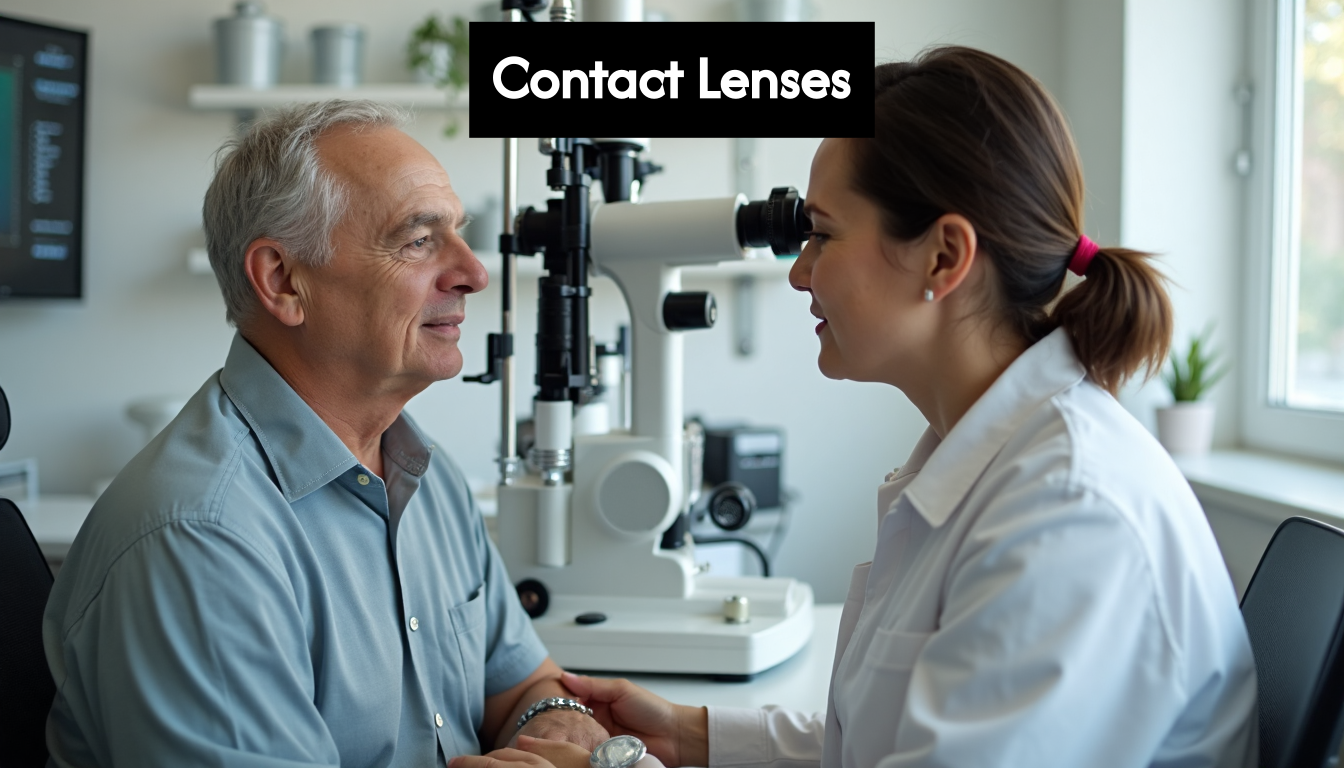
Choosing contact lenses is not a do-it-yourself project. Professional opticians play a crucial role in ensuring safe and effective lens selection. According to regulatory guidelines, contact lens prescriptions must include an expiry date and recommended aftercare appointment, emphasizing the importance of ongoing professional monitoring.
During a comprehensive eye examination, your optician will perform detailed assessments including:
- Corneal Health Evaluation: Checking the surface condition and curvature of your eyes
- Tear Film Analysis: Assessing moisture levels to determine lens compatibility
- Prescription Precision: Measuring exact vision correction requirements
These professional assessments ensure that your contact lenses not only improve vision but also maintain long-term eye health. Remember, your eyes are complex biological systems that deserve expert care and attention.
By understanding these fundamental aspects of eye prescription and professional lens selection, you can make informed decisions that support both your vision needs and overall eye wellness.
Matching Contact Lenses to Your Daily Activities
Contact lenses are not a one-size-fits-all solution. Your daily activities, professional demands, and lifestyle play a crucial role in determining the most suitable lens type. Explore different contact lens options that can seamlessly integrate with your unique lifestyle requirements.
Lifestyle-Specific Lens Performance
Modern contact lens technology offers remarkable versatility for different lifestyle needs. Key benefits of contact lenses extend far beyond basic vision correction. For professionals spending extensive time in digital environments, silicone hydrogel lenses provide exceptional comfort and oxygen transmission. Research indicates that 74% of soft lens prescriptions in the UK now use this advanced material, offering enhanced breathability for extended wear.
Athletes and active individuals require lenses that can withstand dynamic movements and varied environmental conditions. Soft contact lenses, which represent 98% of lens fits in the UK, offer multiple wearing options. Daily disposables emerge as an excellent choice for sports enthusiasts, providing fresh, clean lenses for each activity while minimizing maintenance concerns.
Specialized Lens Solutions for Unique Needs
Some individuals require more specialized lens solutions. Rigid gas-permeable (RGP) lenses offer superior optical clarity and are particularly suited for people with complex vision needs or irregular corneas. While these lenses demand a longer adaptation period, they provide exceptional visual precision for professionals requiring absolute clarity—such as designers, pilots, or precision workers.
People with specific occupational demands should consider lens characteristics carefully. Office workers dealing with extensive screen time might prioritize lenses with blue light filtering properties. Outdoor workers, conversely, might need lenses with enhanced UV protection and moisture-retention capabilities.
Matching Lens Types to Activity Intensity
Your contact lens selection should reflect the intensity and duration of your daily activities. Consider these tailored recommendations:
- Low-Intensity Activities: Professionals with sedentary jobs might prefer monthly disposable lenses offering consistent performance and cost-effectiveness.
- Moderate Activity Levels: Those with mixed professional and recreational activities could benefit from weekly disposable lenses providing a balance between convenience and economy.
- High-Intensity Activities: Athletes and individuals with physically demanding careers should consider daily disposable lenses, ensuring optimal hygiene and minimal maintenance.
Remember that contact lens selection is a personal journey. While technological advances provide incredible options, professional consultation remains essential. Your optician can help you navigate the complex landscape of lens types, ensuring you find a solution that not only corrects vision but enhances your overall daily experience.
By understanding how different lens types interact with your lifestyle, you can make an informed decision that supports both your visual needs and personal comfort.
Special Considerations for Health and Age Groups
Contact lens selection becomes increasingly nuanced when considering specific health conditions, age-related vision changes, and individual physiological needs. Understanding these unique requirements is crucial for ensuring optimal vision, comfort, and eye health across different life stages.
Age-Specific Vision Challenges
Each age group presents distinct vision characteristics that influence contact lens selection. Children and teenagers, for instance, require specialized approaches that balance visual correction with eye development. Comprehensive eye health guidance emphasizes the importance of regular monitoring and age-appropriate lens technologies.
Teenagers often benefit from daily disposable soft contact lenses, which offer convenience and reduce the risk of eye infections. For older adults experiencing presbyopia, multifocal contact lenses provide an excellent solution. These advanced lenses incorporate different prescription zones within a single lens, enabling clear vision at multiple distances without constant lens switching.
Health Conditions and Lens Compatibility
Certain medical conditions significantly impact contact lens selection. Individuals with dry eye syndrome, diabetes, or autoimmune disorders require carefully selected lens materials that prioritize eye comfort and health. Silicone hydrogel lenses, which now constitute 74% of soft lens prescriptions in the UK, offer enhanced oxygen transmission—a critical factor for maintaining corneal health.
People with astigmatism or irregular corneal shapes might find rigid gas-permeable (RGP) lenses more suitable. While these lenses demand a longer adaptation period, they provide superior optical clarity and can address complex vision needs more effectively than traditional soft lenses.
Specialized Lens Solutions for Unique Needs
Some health considerations require highly personalized contact lens approaches. Individuals with chronic conditions like glaucoma or those undergoing specific medical treatments may need customized lens options that accommodate their unique physiological requirements.
Key considerations for health-specific lens selection include:
- Oxygen Permeability: Critical for maintaining corneal health, especially for individuals with compromised eye conditions
- Moisture Retention: Essential for people with dry eye syndrome or those taking medications that affect tear production
- UV Protection: Particularly important for individuals with light sensitivity or increased susceptibility to eye damage
Professional consultation remains paramount. An experienced optician can conduct comprehensive assessments that consider your complete health profile, ensuring your contact lens solution supports both vision correction and overall eye wellness.
By recognizing the intricate relationship between health, age, and contact lens technology, you can make informed decisions that provide clear vision while prioritizing long-term eye health. Remember that contact lenses are not merely a vision correction tool but a sophisticated medical device tailored to your individual needs.
Practical Tips for Comfort, Safety, and Style
Contact lenses are more than just a vision correction tool—they are a personal accessory that reflects your lifestyle, professional needs, and aesthetic preferences. Balancing comfort, safety, and style requires thoughtful selection and careful maintenance.
Maximising Comfort and Lens Performance
Comfort is paramount when selecting contact lenses. Top tips for comfortable contact lens wear emphasize the importance of choosing lenses that suit your individual eye physiology. Silicone hydrogel lenses, which now comprise 74% of soft lens prescriptions in the UK, offer superior oxygen transmission and all-day comfort.
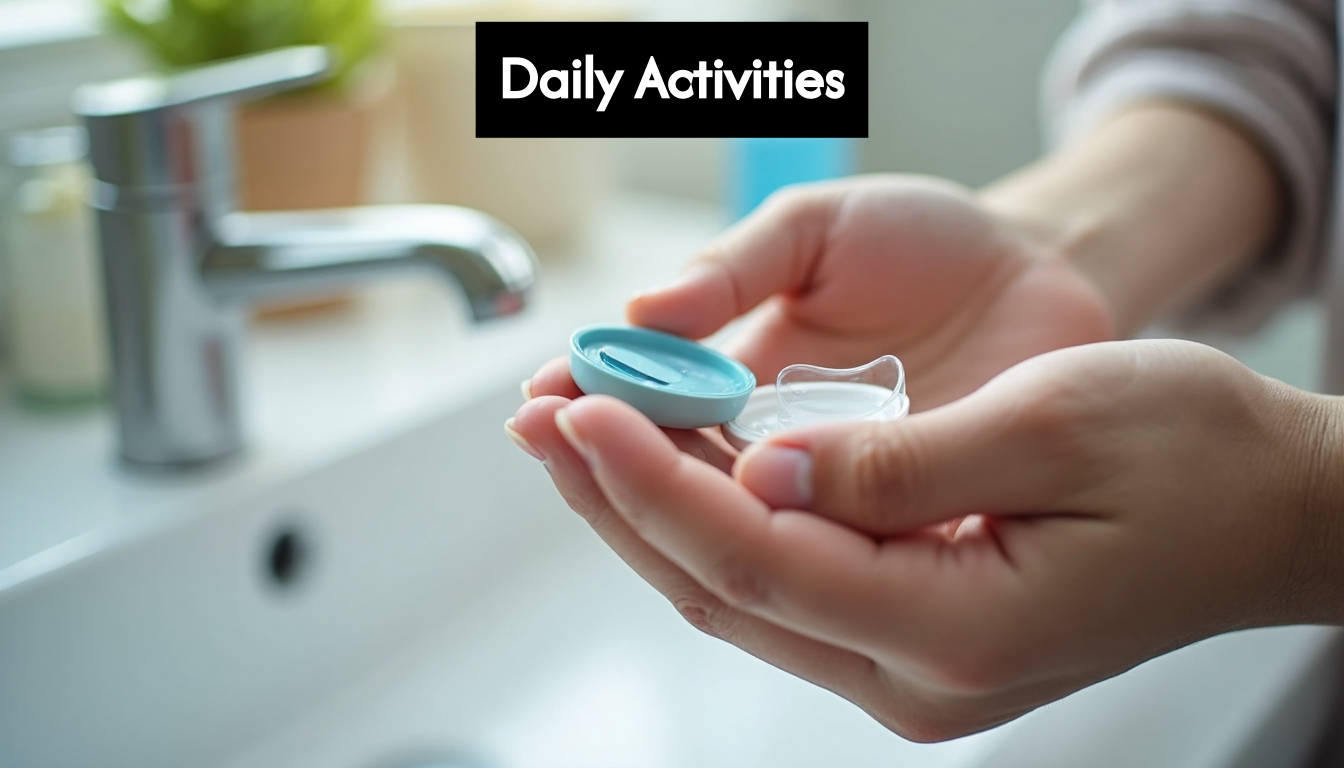
Proper lens hygiene plays a crucial role in maintaining comfort. Always wash hands thoroughly before handling lenses, use recommended cleaning solutions, and replace your lens case every three months. For individuals with sensitive eyes or those working in challenging environments, consider lenses with enhanced moisture-retention properties.
Safety Protocols for Lens Wear
Safety should never be compromised when wearing contact lenses. Professional guidelines recommend several key practices to protect your eye health. Digital device users should consider lenses with blue light filtering technology, which can reduce eye strain during extended screen time.
Key safety recommendations include:
- Regular Eye Examinations: Schedule comprehensive check-ups at least annually
- Strict Hygiene Routine: Clean lenses as recommended by your optician
- Replacement Schedule: Adhere strictly to prescribed lens replacement intervals
- Environmental Awareness: Protect eyes from dust, UV rays, and potential irritants
Style and Personal Expression
Contact lenses offer unique opportunities for personal expression beyond vision correction. While functionality remains primary, modern lens technologies provide options for those seeking to enhance their aesthetic appearance. For individuals interested in changing or accentuating their eye colour, professional consultation is essential to ensure both safety and style.
When selecting coloured or stylised contact lenses, consider these critical factors:
- Material Quality: Prioritize lenses made from breathable, comfortable materials
- Prescription Accuracy: Ensure colour lenses match your exact vision correction needs
- Professional Fitting: Always have coloured lenses fitted by a qualified optician
Remember that contact lenses are a sophisticated medical device. While style matters, your eye health and comfort should always be the primary consideration. By combining professional advice, careful selection, and diligent maintenance, you can enjoy contact lenses that not only improve your vision but also complement your personal style.
Ultimately, the perfect contact lens is one that you barely notice—providing clear vision, optimal comfort, and seamless integration into your daily life.
Frequently Asked Questions
What should I consider when choosing contact lenses?
Choosing contact lenses involves understanding your eye health, prescription details, lifestyle, and professional assessments. It’s important to consider factors like the intensity of your daily activities, comfort, and any specific health conditions.
How do I read my contact lens prescription?
Your contact lens prescription includes key components such as sphere (SPH), cylinder (CYL), axis, base curve, and diameter. Each of these elements helps determine the exact lens needed for your vision correction and comfort.
Are daily disposable lenses better for active lifestyles?
Daily disposable lenses are excellent for active lifestyles as they provide fresh lenses every day, reducing the risk of infections and maintenance concerns. They also offer convenience for sports and outdoor activities.
What factors affect lens comfort and safety?
Lens comfort and safety are influenced by proper hygiene practices, adherence to replacement schedules, lens material (like silicone hydrogel), and regular professional eye exams to ensure compatibility with your eye health.
Find Your Perfect Contact Lenses with Confidence at Northern Optical
Struggling to match your daily routine and eye health needs with the right contact lenses? The article highlighted how important it is to blend prescription accuracy, professional assessment and lifestyle compatibility when selecting lenses. Too often, people experience discomfort, dryness or poor fit simply because their unique habits or medical needs are overlooked. At Northern Optical Company, we turn those uncertainties into clarity and comfort by combining expert guidance with a caring, personalised service for every stage of life.
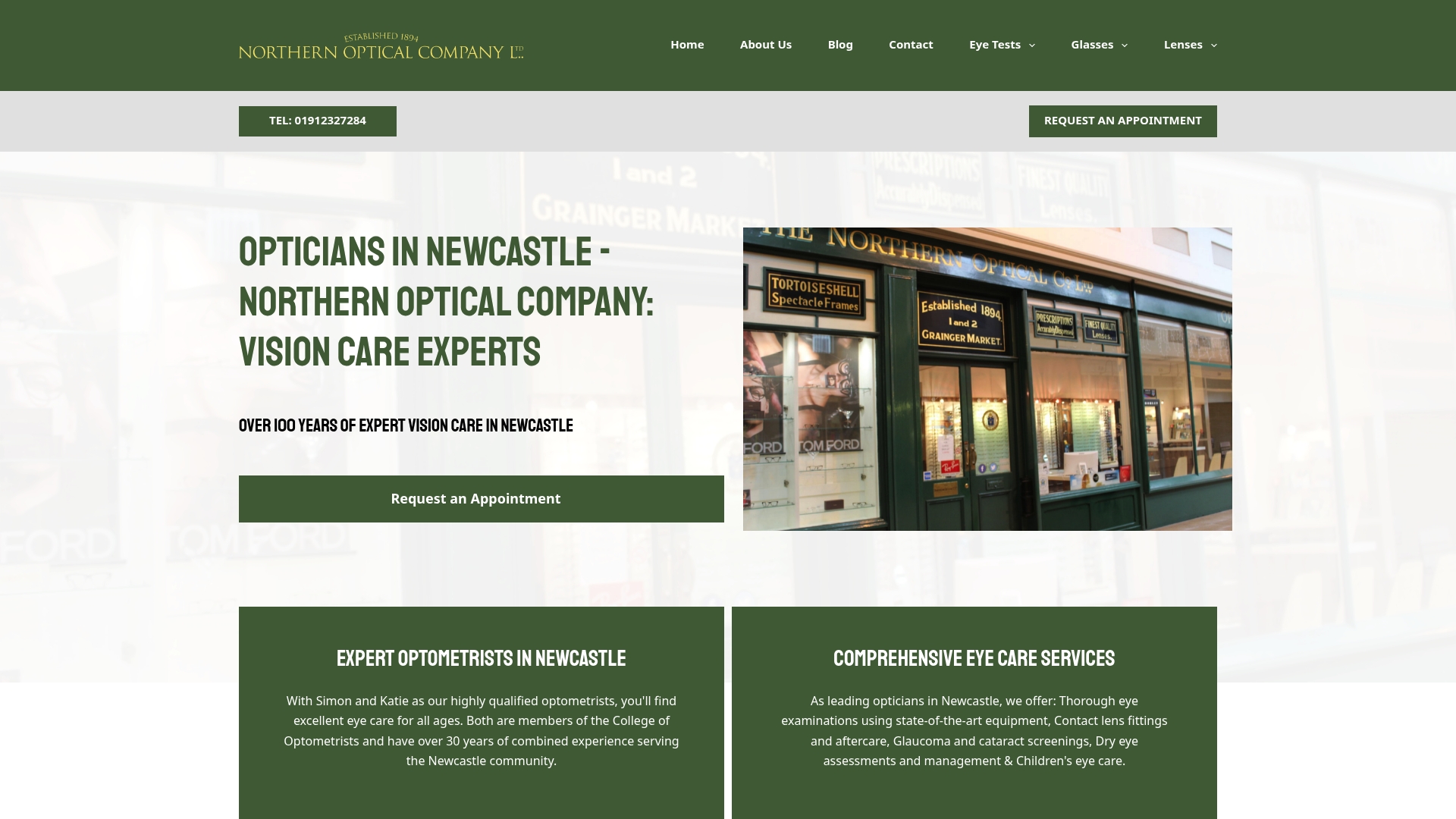
Book your professional lens consultation today with Newcastle’s trusted independent opticians. Our team will listen to your needs, decode your prescription, and help you find comfortable, safe contact lenses suited to your lifestyle. Discover our caring approach and clinical excellence now. Your best vision starts the moment you reach out—secure your appointment and experience the difference personalised care makes.
Recommended Articles