


What you eat today could decide how well you see tomorrow. While many think eye health starts with a pair of glasses or eye drops, the real power lies on your plate. Here is a surprising fact—eating dark leafy greens and fatty fish can cut your risk of age-related eye disease by up to 43 percent. Forget the old advice that just carrots help your eyes. The next big breakthrough in eye care could be sitting in your fridge right now.
Table of Contents
- Best Foods For Healthy Eyes At Any Age
- Nutrients That Support Clear Vision
- Eye-Friendly Diet Plans For Specific Needs
- Everyday Habits To Boost Eye Health Naturally
Quick Summary
| Takeaway | Explanation |
|---|---|
| Incorporate nutrient-rich foods | Include dark leafy greens, fatty fish, and colourful fruits in your diet to support eye health and reduce the risk of age-related conditions. |
| Hydration is essential | Maintain adequate hydration by drinking at least eight glasses of water daily to prevent dry eye syndrome and support overall visual function. |
| Follow the 20-20-20 rule | To manage digital eye strain, every 20 minutes, look at an object 20 feet away for 20 seconds, which helps relax eye muscles. |
| Protect eyes from UV exposure | Wear UV-blocking sunglasses and avoid direct sunlight during peak hours to reduce the risk of cataracts and other eye conditions. |
| Consult eye care professionals | Regular eye examinations are crucial for monitoring eye health and receiving personalised dietary recommendations based on individual needs. |
Best Foods for Healthy Eyes at Any Age
Nutrition plays a crucial role in maintaining optimal eye health throughout every stage of life. What you consume directly impacts your vision, eye function, and long-term eye wellness. Understanding the right foods can help protect against age-related eye conditions and support overall visual performance.
Nutrient-Rich Foods for Eye Protection
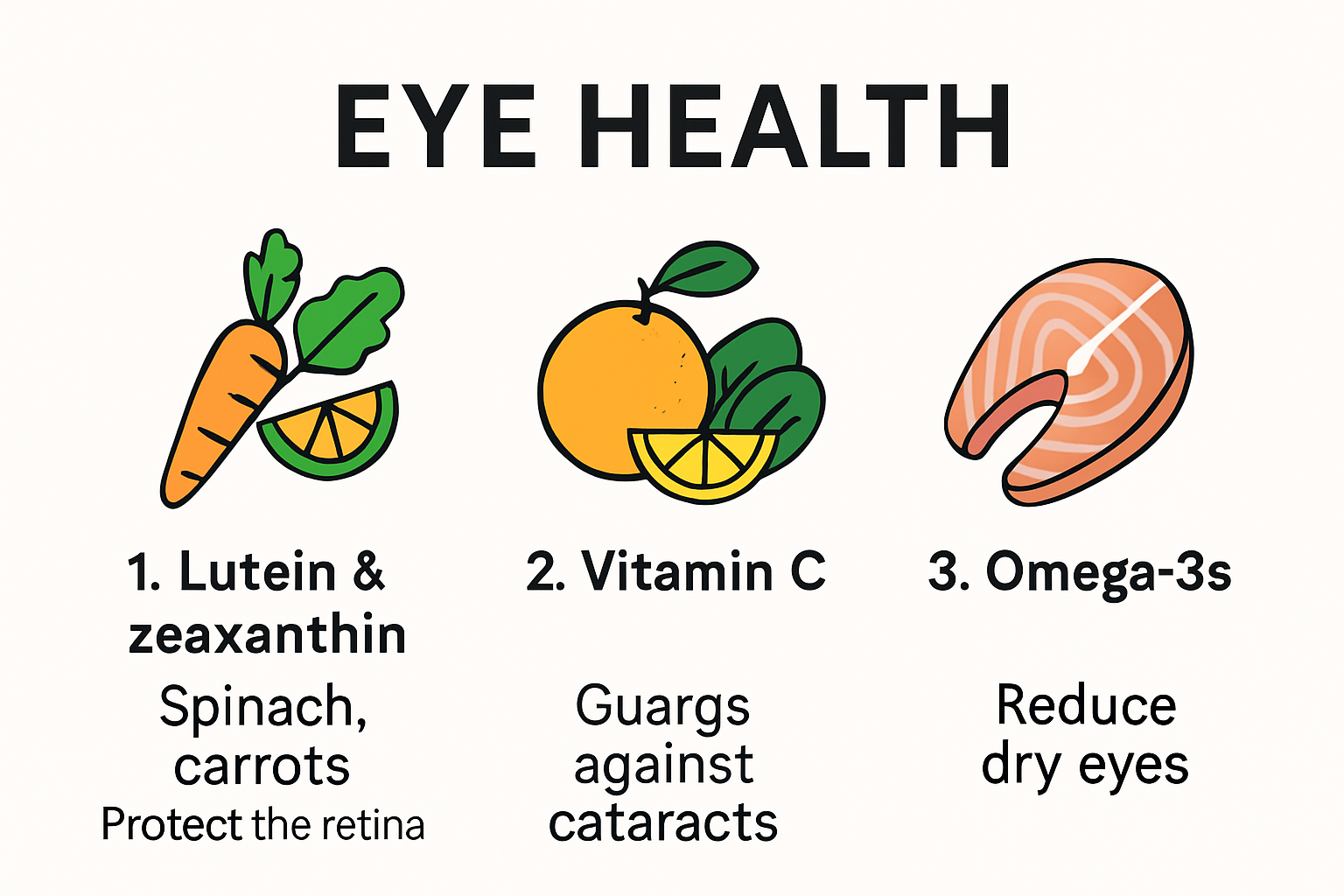
Dark leafy greens emerge as superstar foods for eye health. Our comprehensive eye care guide recommends incorporating spinach, kale, and collard greens into your diet. These vegetables are packed with lutein and zeaxanthin, powerful antioxidants that form protective pigments in the retina. According to research from the National Eye Institute, these nutrients help filter harmful high-energy light waves and reduce the risk of macular degeneration.
Fatty fish like salmon, sardines, and mackerel offer another critical nutritional boost. They are rich in omega-3 fatty acids, which support retinal health and help combat dry eye syndrome. Consuming these fish twice a week can significantly reduce inflammation and support overall eye function. The omega-3s work to protect tiny blood vessels in the eyes, potentially preventing age-related vision problems.
Colour-Coded Nutrition for Eye Wellness
Orange and yellow-coloured foods are visual health powerhouses. Sweet potatoes, carrots, and yellow peppers are loaded with beta-carotene, which the body converts to vitamin A. This essential nutrient is crucial for night vision and helps the eyes adjust to different light conditions. Vitamin A also supports the cornea’s surface and is vital for maintaining healthy eye tissue.
Citrus fruits and berries bring another layer of eye protection through their high vitamin C content. Oranges, grapefruits, strawberries, and blueberries are packed with antioxidants that combat oxidative stress. These fruits help strengthen blood vessels in the eyes and may reduce the risk of cataracts and macular degeneration.
Comprehensive Dietary Strategies
Creating a balanced diet for eye health requires diversity. Nuts and seeds like almonds, sunflower seeds, and chia seeds provide vitamin E, which protects eye cells from damage caused by free radicals. Zinc-rich foods such as lean meats, pumpkin seeds, and legumes support the production of melanin, a protective pigment in the eyes.
Hydration also plays a critical role in eye health. Drinking adequate water helps maintain moisture in the eyes, preventing dry eye syndrome and supporting overall eye function. Aim for at least eight glasses of water daily, supplementing with herbal teas and water-rich fruits and vegetables.

While diet is crucial, it’s not a substitute for professional eye care. Regular eye examinations remain the most effective way to monitor and maintain eye health. Each individual’s nutritional needs vary, so consulting with an eye care professional can provide personalised dietary recommendations tailored to your specific vision requirements.
Nutrients That Support Clear Vision
Clarity of vision depends on more than just genetics and routine eye care. Specific nutrients play a pivotal role in maintaining and enhancing visual performance across different life stages. Understanding these essential nutrients can help individuals proactively support their eye health through targeted nutritional strategies.
Essential Vitamins for Visual Performance
Vitamin A stands out as a critical nutrient for eye function. Our comprehensive eye care insights highlight its importance in forming rhodopsin, a pigment crucial for low-light vision. According to research from the National Institutes of Health, vitamin A deficiency can lead to night blindness and compromise the eye’s ability to adapt to different lighting conditions.
Vitamin E emerges as another powerful antioxidant protecting eye cells from oxidative damage. Found in nuts, seeds, and vegetable oils, this nutrient helps prevent cellular breakdown in the retina. Studies from Harvard Medical School suggest that consistent vitamin E intake may slow the progression of age-related macular degeneration.
Minerals and Trace Elements
Zinc plays a fundamental role in transporting vitamin A from the liver to the retina, supporting melanin production. This mineral helps protect the eyes from inflammation and supports overall eye tissue health. Zinc-rich foods like pumpkin seeds, lean meats, and legumes contribute to maintaining robust visual function.
Selenium works synergistically with other nutrients to protect eye cells. This trace mineral helps neutralise free radicals that can damage eye tissues. Research indicates selenium may reduce the risk of certain eye conditions by supporting the body’s natural antioxidant processes.
Advanced Nutritional Compounds
Lutein and zeaxanthin represent sophisticated nutritional compounds specifically beneficial for eye health. These carotenoids act as natural sunglasses, filtering harmful blue light and protecting the retina from potential damage. Ophthalmological research demonstrates that higher dietary intake of these compounds correlates with reduced risk of age-related macular degeneration.
Omega-3 fatty acids provide comprehensive eye health support beyond traditional nutritional approaches. These essential fatty acids help maintain proper retinal function, reduce inflammation, and support tear production. Individuals experiencing chronic dry eye may benefit from increased omega-3 consumption through fish, flaxseeds, and targeted supplements.
While nutritional strategies offer significant benefits, they complement rather than replace professional eye care. Individual nutritional needs vary based on age, health status, and genetic factors. Consulting with eye care professionals can help develop personalised nutritional strategies tailored to specific visual health requirements.
Nutrients work most effectively when integrated into a holistic approach to eye health. Regular eye examinations, balanced nutrition, proper hydration, and lifestyle considerations form a comprehensive strategy for maintaining optimal visual performance throughout life.
Eye-Friendly Diet Plans for Specific Needs
Nutrition is not a one-size-fits-all approach when it comes to eye health. Different life stages, health conditions, and lifestyle factors demand tailored dietary strategies to support optimal visual wellness. Our comprehensive eye care practices guide emphasises the importance of personalised nutritional planning for maintaining eye health.
Diet Strategies for Age-Related Eye Concerns
As individuals age, their nutritional requirements for eye health become increasingly complex. Older adults face higher risks of conditions like age-related macular degeneration (AMD) and cataracts. According to research from the Royal National Institute of Blind People, a diet rich in antioxidants can significantly slow down age-related eye deterioration.
For individuals over 50, a diet emphasising dark leafy greens, fatty fish, and colourful vegetables becomes crucial. Kale, spinach, and collard greens provide lutein and zeaxanthin, which help protect the retina from oxidative damage. Salmon, mackerel, and sardines offer omega-3 fatty acids that support retinal health and reduce inflammation. Berries and citrus fruits contribute additional antioxidants that combat cellular aging in eye tissues.
Nutritional Approaches for Specific Health Conditions
People managing diabetes require specialized dietary considerations for eye health. Diabetic retinopathy poses significant risks to vision, making nutritional intervention critical. Clinical studies from Diabetes UK recommend a diet low in refined sugars and high in nutrients that support blood vessel health.
Key nutritional strategies for diabetic eye health include:
- Zinc-rich foods: Support insulin metabolism and protect retinal blood vessels
- Chromium-containing foods: Help regulate blood sugar levels
- High-fibre vegetables: Slow sugar absorption and reduce inflammation
Individuals with autoimmune conditions or those experiencing frequent eye strain also benefit from targeted nutritional approaches. Omega-3 fatty acids, vitamin D, and anti-inflammatory foods can help manage underlying inflammation that impacts eye health.
Lifestyle-Specific Nutritional Considerations
Active professionals, athletes, and individuals with high screen time require unique nutritional support. Blue light exposure from digital devices can cause significant eye strain and potential long-term damage. A diet rich in protective nutrients becomes essential for maintaining visual comfort and preventing digital eye fatigue.
Recommended nutritional strategies include:
- Increased antioxidant intake: Protect eyes from oxidative stress caused by blue light
- Hydration-focused nutrition: Support tear production and reduce dry eye symptoms
- Balanced micronutrient consumption: Maintain overall eye tissue health
While dietary strategies offer significant benefits, they should complement professional eye care, not replace it. Regular eye examinations remain crucial for detecting and managing potential visual health issues. Consulting with eye care professionals can help develop personalized nutritional plans that address individual health needs and lifestyle factors.
Nutrition represents a powerful tool in maintaining eye health, but it requires a holistic, informed approach. Understanding the complex relationship between diet and visual wellness empowers individuals to make proactive choices that support long-term eye health.
Everyday Habits to Boost Eye Health Naturally
Maintaining optimal eye health extends far beyond dietary choices. Simple, consistent daily practices can significantly impact visual wellness and prevent potential eye-related complications. Our comprehensive eye care guide highlights the importance of holistic approaches to eye protection.
Screen Time and Digital Eye Strain Management
In an increasingly digital world, managing screen exposure becomes crucial for eye health. The blue light emitted by digital devices can cause significant visual strain and disrupt natural sleep patterns. According to research from the British Journal of Ophthalmology, prolonged digital exposure can lead to symptoms of digital eye strain, including headaches, blurred vision, and dry eyes.
Implementing the 20-20-20 rule provides an effective strategy for reducing digital eye strain. Every 20 minutes, look at an object 20 feet away for 20 seconds. This simple technique helps relax eye muscles, reduce focusing fatigue, and prevent potential long-term visual complications. Additionally, adjusting screen brightness, using anti-glare filters, and maintaining proper screen distance can further mitigate eye stress.
Natural Protection and Environmental Considerations
Protecting eyes from environmental factors forms a critical component of natural eye health maintenance. Ultraviolet radiation poses significant risks to eye tissues, potentially contributing to conditions like cataracts and macular degeneration. Ophthalmological studies from the Royal College of Ophthalmologists recommend comprehensive protection strategies.
Key environmental protection habits include:
- Wearing UV-blocking sunglasses: Choose glasses that block 99-100% of both UVA and UVB rays
- Using wide-brimmed hats: Provide additional shade and reduce direct sunlight exposure
- Avoiding peak sunlight hours: Limit outdoor activities during intense midday sunlight
Hydration and proper sleep also play fundamental roles in natural eye health. Adequate water intake supports tear production and helps maintain eye moisture. Aim for at least eight glasses of water daily and prioritise consistent, quality sleep to allow eye tissues to recover and regenerate.
Holistic Lifestyle and Preventative Practices
Regular physical exercise contributes significantly to eye health by improving blood circulation and reducing inflammation. Activities like walking, swimming, and yoga enhance overall cardiovascular health, which directly benefits eye tissue nutrition. Clinical research from Sports Medicine Journal demonstrates a strong correlation between cardiovascular fitness and reduced risk of age-related eye conditions.
Stress management techniques such as meditation, deep breathing exercises, and mindfulness can indirectly support eye health. Chronic stress increases cortisol levels, which can negatively impact visual function and contribute to inflammation. Incorporating relaxation practices helps regulate stress responses and supports overall physiological balance.
While natural habits provide substantial benefits, they cannot replace professional eye care. Regular eye examinations remain the most effective method for detecting and preventing potential visual health issues. Consulting with eye care professionals allows for personalised advice tailored to individual health profiles and lifestyle factors.
Embracing these everyday habits represents a proactive approach to eye health. By integrating simple, consistent practices into daily routines, individuals can support long-term visual wellness and potentially prevent age-related eye complications.
Frequently Asked Questions
What foods are best for maintaining eye health?
Including dark leafy greens (like spinach and kale), fatty fish (such as salmon and mackerel), colourful fruits, nuts, and seeds in your diet is essential for maintaining eye health.
How does hydration affect eye health?
Adequate hydration is crucial for preventing dry eye syndrome and supporting overall visual function. Aim for at least eight glasses of water daily to keep your eyes sufficiently moist.
What is the 20-20-20 rule and how does it help eye strain?
The 20-20-20 rule suggests that every 20 minutes, you should look at something 20 feet away for 20 seconds. This helps relax your eye muscles and mitigate digital eye strain.
Why should I protect my eyes from UV radiation?
Wearing UV-blocking sunglasses and avoiding direct sunlight during peak hours can reduce the risk of cataracts and other eye conditions associated with UV exposure.
Ready to Take Control of Your Eye Health in 2025?
You have discovered how nutrition and simple lifestyle habits can make a life-changing difference to your vision. Still, translating expert advice into real results can feel overwhelming. Maybe you are worried about spotting the early signs of eye strain from screens. Perhaps you are concerned about protecting your eyes from age-related changes or want to find out if your current diet is truly giving your eyes what they need. Knowing what is right for you or your family can be stressful—especially when information changes so quickly.
This is where Northern Optical Company steps in. We combine our personal approach with over thirty years of expertise in eye health, backed by the latest clinical technology and genuine community care. We offer:
- Eye examinations that spot concerns early, looking beyond routine check-ups for a complete health picture
- Personalised guidance on eye-friendly nutrition and practical tips for managing digital eye strain, dry eyes, or age-related changes
- Stylish prescription glasses, children’s frames, specialist sports vision help and sunglasses for full UV protection, fitted just for your needs
If you are ready to move from reading tips to taking action, visit Northern Optical Company today.
See life with renewed clarity—book an appointment or pop in for a chat with our friendly team. Protect your sight this year and discover how real community care makes it easy to build lifelong healthy habits for your vision. Your eyes deserve the very best. Take the first step with Northern Optical Company now.
Recommended Articles
- Why Your Eye Health Matters: Essential Care Tips in 2025
- Best Eye Care Practices for Every Lifestyle in 2025
- 6 Signs You Need an Eye Test: When To Get Eye Tests