

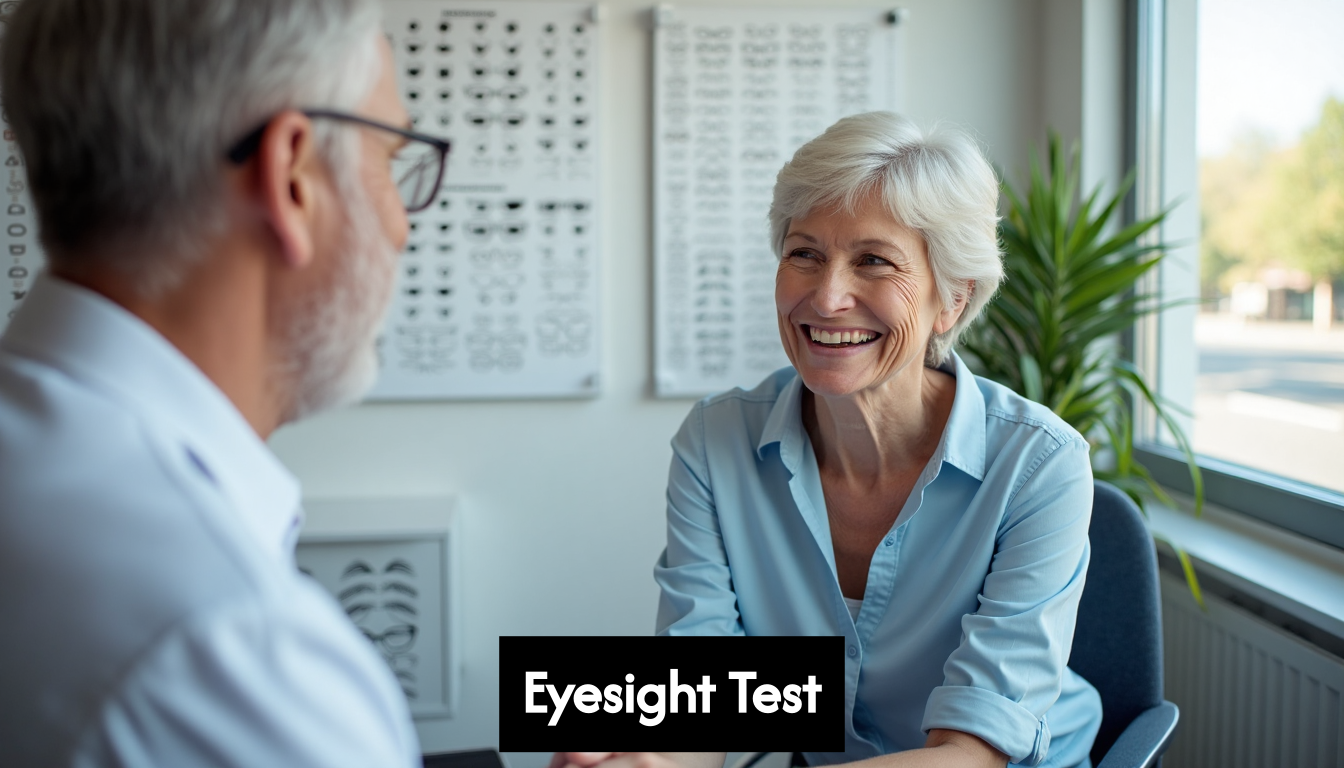
Passing an eyesight test is about more than just reading rows of letters on a chart. Here’s a fact that surprises many people: drivers in the UK must read a number plate from 20 metres to legally keep their licence. Most people focus on their ability to see clearly, but the real secret is that what you tell your optician matters just as much as what you see. By preparing properly and being honest about your symptoms, you can help catch issues early and avoid failing the test for reasons you never expected.
Table of Contents
- Understanding Eyesight Tests: What To Expect
- Avoiding Common Mistakes During Eyesight Examinations
- Special Advice For Different Lifestyles And Age Groups
Quick Summary
| Takeaway | Explanation |
|---|---|
| Honesty is Crucial | Provide accurate information about your vision experiences and any symptoms during your eye examination to enable a complete diagnosis. |
| Prepare for Your Test | Gather documentation such as current prescriptions, medical history, and questions ahead of your appointment to enhance the effectiveness of your eye test. |
| Understand Age and Lifestyle Needs | Tailor your eye care approach according to age-related vision changes and specific lifestyle requirements, ensuring optimal eye health management at every life stage. |
| Utilise Modern Technology | Be aware of the advanced testing technologies like digital retinal imaging and OCT that can provide deeper insights into your eye health during tests. |
Understanding Eyesight Tests: What to Expect
Eyesight tests are comprehensive visual assessments designed to evaluate your eye health and vision capability. When you step into an optician’s office for an eye examination, you’re embarking on a critical journey of understanding your visual performance and potential health indicators. These tests go far beyond simply determining whether you need glasses.
What Happens During a Standard Eye Test
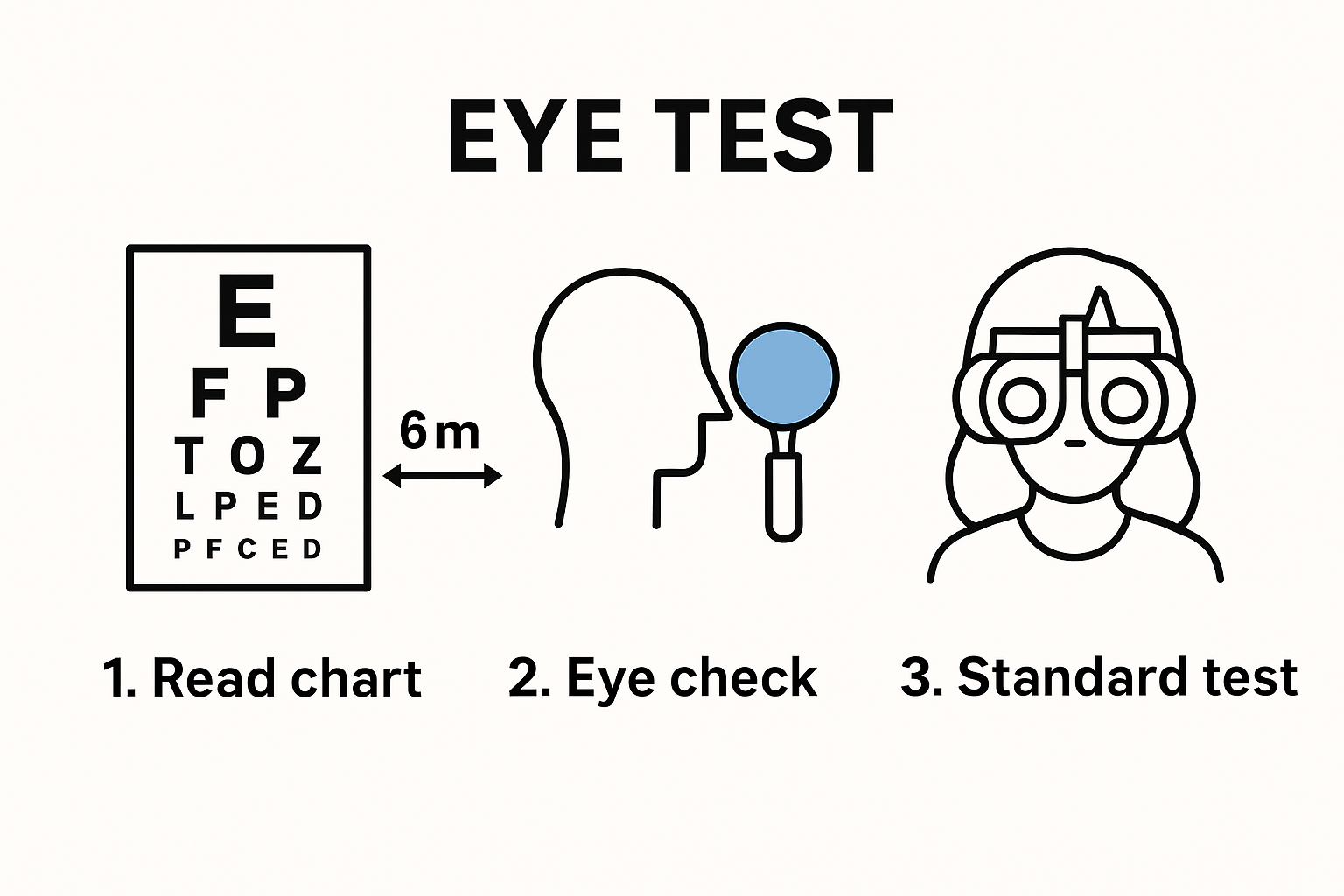
A typical eyesight test involves multiple sophisticated assessment stages. First, an optometrist will conduct a detailed medical history review, asking about your vision experiences, family eye health history, and any existing medical conditions. This initial consultation helps create a personalised understanding of your visual profile.
The visual assessment typically includes several key components. The visual acuity test involves reading letters or symbols from a standardised chart, which measures how clearly you can see at different distances. Drivers must meet a minimum visual acuity of 6/12 on the Snellen scale to legally operate a vehicle in the UK, highlighting the test’s practical significance.
Additionally, your optometrist will perform a comprehensive eye health examination. This includes checking your eye muscles, peripheral vision, colour perception, and examining the internal structures of your eye using advanced diagnostic equipment. These tests can reveal early signs of potential eye conditions or broader health issues.
Technology and Modern Eye Testing
Modern eyesight tests leverage cutting-edge technology to provide unprecedented insights into eye health. Digital retinal imaging allows optometrists to capture high-resolution images of your eye’s internal structures, enabling detailed analysis and early detection of potential problems.
One innovative technique is optical coherence tomography (OCT), which creates cross-sectional images of your retina. This technology can detect subtle changes in eye tissue that might indicate developing conditions like glaucoma or macular degeneration. Our guide on eye test procedures provides more detailed information about these advanced diagnostic methods.
Interestingly, the UK has strict visual standards for critical activities. According to government regulations, drivers must be able to read a number plate from 20 metres during their practical driving test. Failure to meet this standard can result in immediate test failure and potential licence revocation.
Preparing for your eyesight test involves more than just showing up. Bring any existing glasses or contact lenses, maintain a record of your medical history, and be prepared to discuss any vision changes or concerns. By understanding what to expect, you can approach your eye test with confidence, knowing you’re taking a proactive step towards maintaining your visual health and overall wellbeing.
Proven Tips to Prepare for Your Eye Test
Preparing for an eye test is more than just scheduling an appointment. A comprehensive approach ensures you get the most accurate assessment of your visual health and receive personalised recommendations tailored to your specific needs.
Documentation and Personal Health History
Before your eye test, gather critical documentation that provides a comprehensive picture of your eye health. Our comprehensive guide to eye test preparation recommends collecting several key items. Bring your current prescription glasses or contact lenses, a list of all medications you are currently taking, and any medical records related to previous eye treatments or health conditions.
Special attention should be given to documenting any family history of eye diseases. Conditions like glaucoma, macular degeneration, and diabetic retinopathy can have genetic components. By providing a thorough medical history, you help your optometrist conduct a more targeted and effective examination.
Physical and Visual Preparation
In the days leading up to your eye test, take steps to ensure your eyes are in optimal condition. Eye health experts recommend following the 20-20-20 rule to reduce eye strain: every 20 minutes, look at something 20 feet away for at least 20 seconds. This practice helps relax eye muscles and can provide a more accurate assessment during your test.
Hydration and nutrition also play crucial roles in eye health. Consume a diet rich in leafy green vegetables, omega-3 fatty acids, and vitamins A, C, and E. These nutrients support overall eye function and can potentially improve your visual performance. Avoid excessive screen time in the 24 hours before your test, and ensure you get adequate sleep to reduce eye fatigue.
Mental Preparation and Questions
Approach your eye test with a proactive mindset. Prepare a list of questions or concerns about your vision. Are you experiencing any specific visual challenges? Do you struggle with night driving, computer screen visibility, or reading small print? Communicating these details helps your optometrist provide more targeted advice.
If you are over 60, under 16, or have specific health conditions like diabetes, inform your optometrist in advance. These factors can influence the examination process and may require additional specialized testing. Be open about your lifestyle, including work environment, digital device usage, and any sports or activities that might impact your vision.
By following these preparation strategies, you transform your eye test from a routine check-up into a comprehensive assessment of your visual health. Remember, an eye test is not just about determining whether you need glasses – it’s an opportunity to gain deeper insights into your overall health and well-being. Taking the time to prepare thoroughly ensures you receive the most accurate and personalised eye care possible.
Avoiding Common Mistakes During Eyesight Examinations
Eyesight examinations require careful attention and active participation. Many individuals unknowingly make mistakes that can compromise the accuracy of their vision assessment, potentially leading to incorrect prescriptions or missed health indicators.
Preparation and Honesty
One of the most critical aspects of a successful eye examination is complete honesty with your optometrist. Our comprehensive guide to eye test procedures emphasizes the importance of providing accurate information about your vision experiences. Avoid the temptation to guess or pretend you can see something more clearly than you actually can during the vision chart test.
People often make the mistake of minimizing or hiding vision problems. If you’re experiencing headaches, eye strain, or difficulty seeing at certain distances, communicate these details explicitly. Hiding or downplaying symptoms can lead to incomplete diagnoses and potentially worsen underlying vision issues.
Technical Errors to Avoid
Technical mistakes can significantly impact your eye examination results. Wearing an outdated or incorrect prescription during the test can create misleading outcomes. According to optical health experts, using an incorrect glasses prescription can cause headaches, blurry vision, and eye strain, which may interfere with the examination process.
Additionally, many people make the error of not bringing their current visual aids to the appointment. Always bring your existing glasses or contact lenses, even if you believe they are no longer accurate. These items provide valuable context for your optometrist to understand your vision progression and current visual challenges.
Legal and Safety Considerations
For individuals who drive, vision test mistakes can have serious legal implications. Taxi and professional drivers face significant risks if they fail to maintain proper vision standards. Skipping regular eye tests or delaying appointments increases the risk of undetected vision changes that could compromise driving safety.
Specifically for UK drivers, failing to meet the standard vision requirements can result in immediate licence revocation. The standard requires being able to read a number plate from 20 metres, and any vision-related driving errors can lead to substantial fines and potential legal consequences.
To avoid these mistakes, approach your eye examination with preparation, transparency, and a commitment to thorough assessment. Remember that these tests are not just about determining whether you need glasses – they are comprehensive health screenings that can detect early signs of broader medical conditions. By being proactive, honest, and attentive during your examination, you maximize the effectiveness of the test and protect your long-term visual health.
Special Advice for Different Lifestyles and Age Groups
Eyesight requirements vary dramatically across different life stages and professional environments. Understanding these unique challenges ensures more targeted and effective vision care for individuals with distinct lifestyle needs.
Drivers and Professional Vision Requirements
Professional drivers face particularly stringent vision standards, with legal obligations that demand exceptional visual acuity. Drivers aged over 70 must declare their eyesight meets minimum legal standards at each licence renewal. While no formal evidence is typically required, individuals can be held liable if poor eye health contributes to an accident.
For UK drivers, meeting specific visual benchmarks is crucial. Drivers must maintain a minimum visual acuity of 6/12 on the Snellen scale and possess a horizontal visual field of at least 120 degrees. This requirement applies not just to professional drivers, but to anyone operating a motor vehicle. Practicing reading number plates from 20 metres can help individuals prepare for mandatory vision assessments.
Age-Specific Vision Considerations
Each age group encounters unique vision challenges that require tailored approaches. Children and teenagers typically need more frequent eye examinations to monitor rapid developmental changes. For this demographic, digital screen exposure can significantly impact visual health, making regular check-ups essential.
Middle-aged adults often experience presbyopia, a natural vision change requiring reading glasses or multifocal lenses. Professionals with screen-intensive jobs should implement the 20-20-20 rule: every 20 minutes, look 20 feet away for 20 seconds to reduce eye strain. Our guide on eye exercises for drivers offers practical techniques that can benefit various professional groups.
Lifestyle-Specific Vision Management
Individuals with specific lifestyle demands require customised vision strategies. Athletes, for instance, might need specialised sports vision assessments that evaluate depth perception, peripheral awareness, and rapid visual processing. Similarly, remote workers and digital professionals should invest in blue light filtering technologies and ergonomic workspace setups.
For those with existing health conditions like diabetes or hypertension, annual comprehensive eye examinations become even more critical. These assessments can detect early signs of vision-related complications that might otherwise go unnoticed. Maintaining clean, well-fitted corrective lenses and practicing good eye hygiene are universal recommendations across all lifestyle categories.
Whether you’re a professional driver, a digital worker, an athlete, or enjoying retirement, understanding your unique vision needs is paramount. Regular eye tests, proactive health management, and lifestyle-specific strategies can help preserve your visual clarity and overall eye health throughout different life stages.
Frequently Asked Questions
What should I prepare before my eyesight test?
To prepare for your eyesight test, gather important documentation such as your current prescription glasses or contact lenses, a list of medications you are taking, and any medical history related to eye treatments. Additionally, consider noting any vision changes or concerns to discuss with your optometrist.
How can I improve my chances of passing the eyesight test?
To improve your chances of passing, ensure you get enough sleep and stay hydrated before the test. Follow the 20-20-20 rule to reduce eye strain: every 20 minutes, look at something 20 feet away for at least 20 seconds. Being honest about your vision symptoms during the test is also crucial for an accurate assessment.
What are the legal eyesight requirements for drivers in the UK?
In the UK, drivers must be able to read a number plate from 20 metres away and should have a minimum visual acuity of 6/12 on the Snellen scale to legally operate a vehicle. Failure to meet these standards can result in licence revocation.
What happens during a standard eyesight test?
During a standard eyesight test, you will undergo several assessments including a visual acuity test, which involves reading letters from a chart. Your optometrist will also review your medical history and perform a comprehensive examination of your eye health using advanced diagnostic technologies.
Ready for Your Eyesight Test? Let Our Experts Help You Pass with Confidence
If you are feeling anxious about passing your next eyesight test or worried about meeting strict driving standards, you are not alone. Many people dread the thought of failing because of hidden issues or not knowing how to prepare. Our article highlights how vital preparation and honest feedback are during vision assessments. It also shows how confusing eye test rules and the fear of missing essential details can make the whole process overwhelming.
At Northern Optical Company, our friendly team takes the confusion and stress out of eye exams. We offer thorough NHS sight tests, advanced digital imaging, and honest advice so you can understand your results and protect your independence. Book your exam today so you never have to second-guess your eyesight. Take the first step and see why generations trust us for their eye health and personalised vision solutions.
Recommended Articles
- Driving Vision Requirements 2025: Essential Guide for All Drivers
- Best Eye Exercises for Drivers: Essential Tips for 2025
- How to Prepare for Eye Test: Easy Guide for All in 2025
If it has been a while since your last check, the simplest way to stay on the right side of the DVLA standard is a professional eye test. Many people also qualify for a free NHS sight test — at the Northern Optical Company in Newcastle we will tell you exactly what you are entitled to.