
Sports performance depends on much more than just strength and stamina. Modern research shows that regular physical activity can cut the risk of visual impairment by an impressive 58 percent. Surprised? Most people still think visual skills are fixed for life or overlook how crucial vision training really is. The truth is, with the right techniques tailored to every lifestyle, anyone can sharpen their visual edge and transform how they play, move and compete.
Table of Contents
- Essential Sports Vision Exercises For All Ages
- Adapting Vision Training For Specific Needs
- Daily Habits To Enhance Visual Performance
- Common Mistakes And How To Overcome Them
Quick Summary
| Takeaway | Explanation |
|---|---|
| Visual Skills are Crucial for Athletic Performance | Developing specific visual abilities is essential for enhancing athletic success and reducing injury risks across all ages and sports types. |
| Tailored Training is Necessary | Personalised vision training approaches that cater to individual needs and sport-specific demands are vital for effective visual skill enhancement. |
| Daily Habits Influence Visual Performance | Nutrition, screen time management, and overall wellness practices play a significant role in maintaining optimal visual function and performance. |
| Common Mistakes Can Impede Progress | Understanding and addressing misconceptions, especially around visual skill development and specific training areas like peripheral awareness and depth perception, is essential for maximizing athletic capabilities. |
Essential Sports Vision Exercises for All Ages
Visual performance plays a critical role in athletic success across all ages and activity levels. Sports vision training goes beyond traditional eye examinations, focusing on developing specific visual skills that enhance athletic performance and reduce injury risks.
Understanding Visual Skills in Athletic Performance
Athletic performance relies on a complex network of visual capabilities that extend far beyond simple visual acuity. Learn more about our sports vision training approach to understand how targeted exercises can transform an athlete’s potential.
The British Association of Sport and Exercise Sciences (BASES) highlights that while generalised vision training programs aim to improve basic visual functions, sport-specific vision training demonstrates more significant task-specific improvements. According to research published in Sports Medicine, systematic orthoptic exercises and technological interventions can substantially enhance visual skills across different age groups.
Key Visual Training Exercises for Different Age Groups
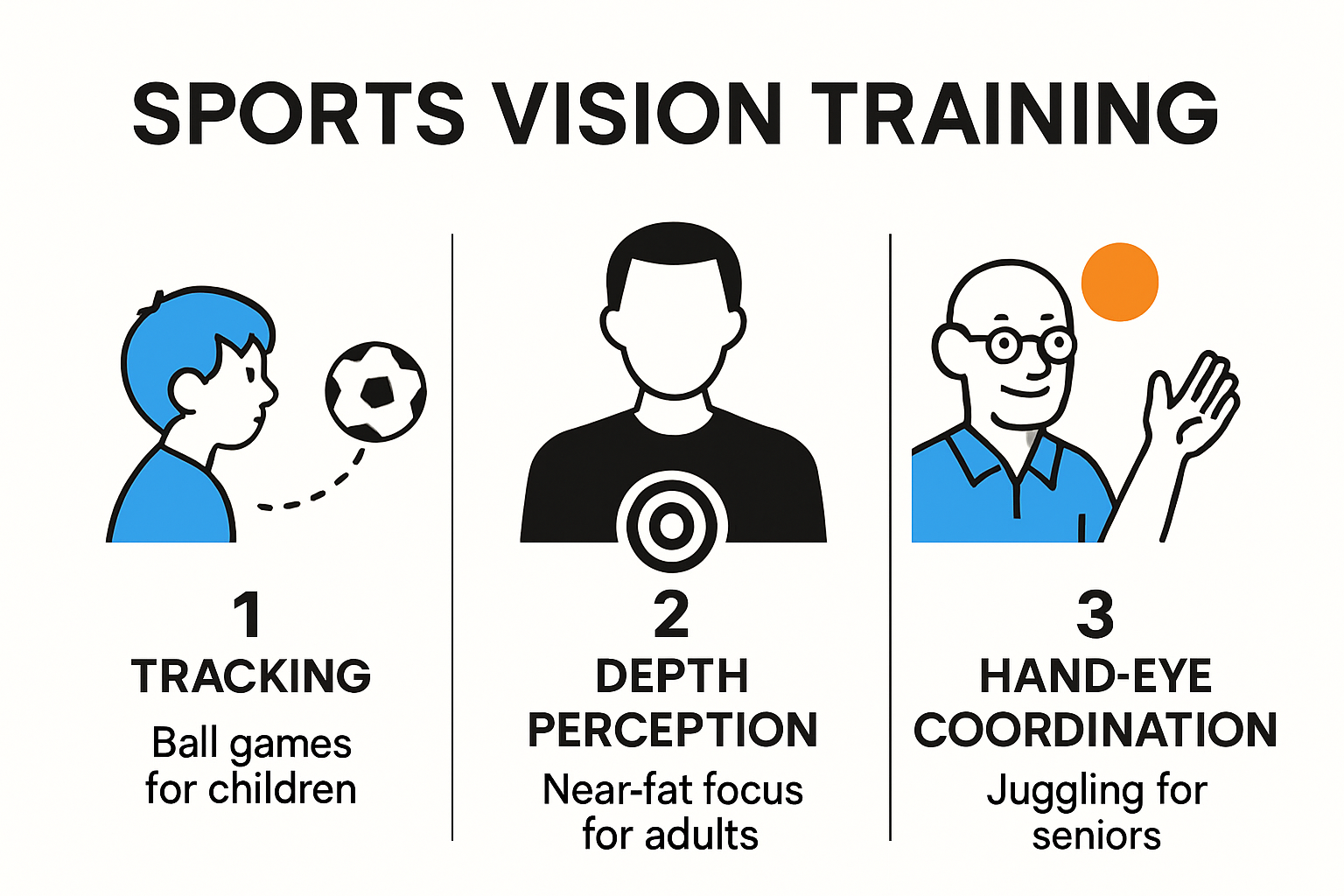
Visual training exercises must be tailored to individual age groups and athletic requirements. For children and young athletes, focus on fundamental skill development includes:
- Tracking Exercises: Improving eye movement control and peripheral awareness
- Hand-Eye Coordination Drills: Enhancing neurological connections between visual perception and motor responses
- Dynamic Visual Acuity Tests: Developing ability to see moving objects clearly
Adult and senior athletes benefit from more advanced techniques such as:
- Depth Perception Training: Using specialized equipment to improve spatial awareness
- Reaction Time Drills: Utilising computer-based programs to measure and improve visual response speeds
- Peripheral Vision Expansion: Exercises designed to broaden visual field and reduce blind spots
Here’s a table summarising key visual training exercises tailored for different age groups to provide a quick reference for readers:
| Age Group | Fundamental Exercises | Advanced Techniques |
|---|---|---|
| Children/Young Athletes | Tracking exercises, hand-eye coordination, dynamic visual acuity tests | N/A |
| Adult Athletes | N/A | Depth perception, reaction time drills, peripheral vision expansion |
| Senior Athletes | N/A | Depth perception, reaction time drills, peripheral vision expansion |
Technology and Modern Vision Training Approaches
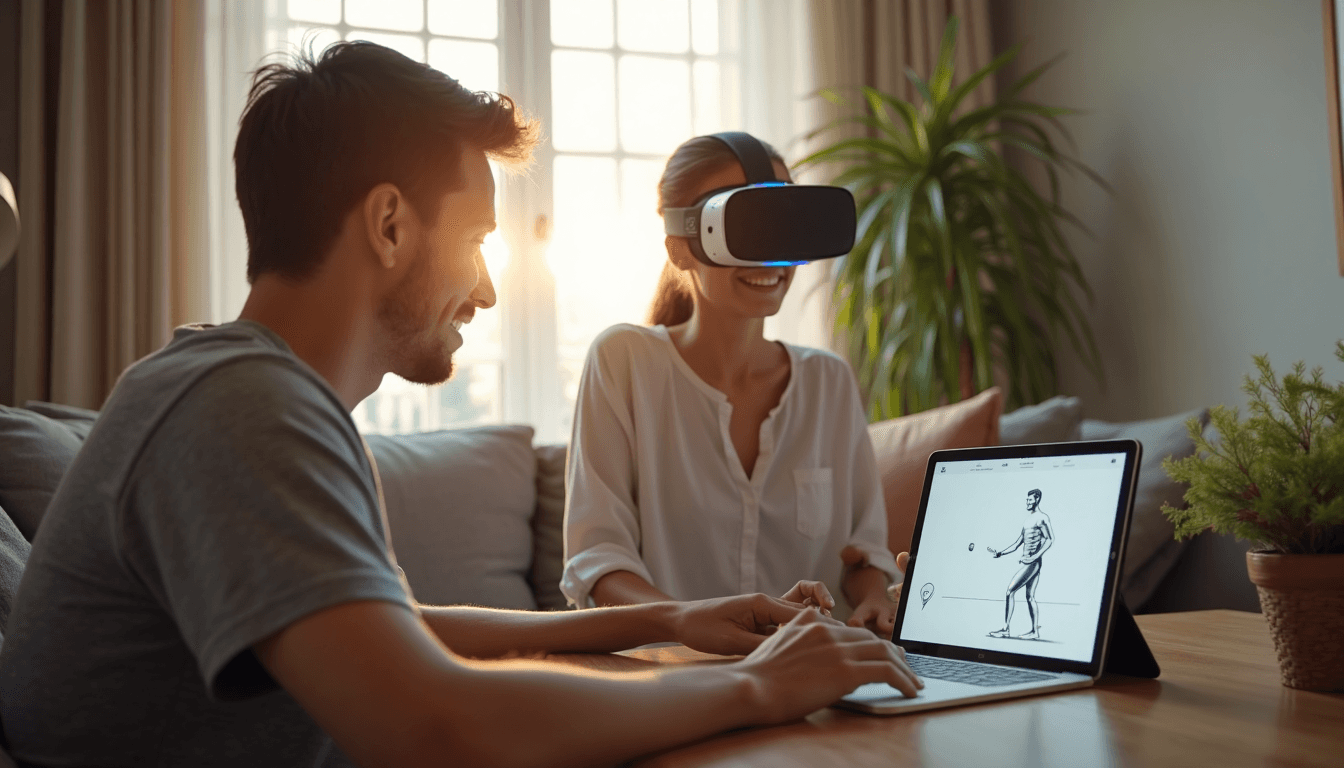
Modern sports vision training integrates cutting-edge technological solutions. Digital platforms and virtual reality systems now offer sophisticated training protocols that can measure and improve visual performance with unprecedented precision.
Interestingly, while some historical studies questioned the effectiveness of vision training, contemporary research suggests that sport-specific, targeted approaches yield measurable improvements in visual-motor performance.
Key considerations for effective sports vision training include:
- Individualised assessment of current visual capabilities
- Targeted exercise protocols matching specific sport requirements
- Consistent practice and progressive difficulty levels
- Integration of technological assessment tools
Whether you are a young athlete aspiring to professional sports or a mature individual seeking to maintain visual sharpness, sports vision training offers comprehensive benefits. By systematically developing visual skills, individuals can enhance their athletic performance, reduce injury risks, and improve overall visual efficiency.
Consult with professional optometrists specialising in sports vision to develop a personalised training regime that addresses your unique visual needs and athletic goals.
Adapting Vision Training for Specific Needs
Sports vision training is not a one-size-fits-all approach. Different individuals require personalised strategies that address their unique visual capabilities, athletic goals, and potential limitations. Explore our comprehensive eye care guide to understand how tailored vision training can transform athletic performance.
Vision Training for Different Athletic Profiles
Athletic performance demands specific visual skills that vary dramatically across sports and individual capabilities. Research from the University of Chichester demonstrates that visual search behaviors differ significantly between sports, highlighting the importance of targeted training approaches.
For instance, cricket players require distinct visual skills compared to football or tennis athletes. According to the European Journal of Sports & Exercise Science, specialized vision training programs can substantially improve sport-specific visual capabilities.
Addressing Unique Challenges in Vision Training
Individuals with vision impairments face unique challenges in sports participation. Research from the University of Central Lancashire reveals that over 90% of vision-impaired children engage in sedentary activities, underscoring the critical need for adaptive vision training strategies.
Key considerations for specialized vision training include:
- Comprehensive Visual Assessment: Detailed evaluation of individual visual strengths and limitations
- Customised Training Protocols: Developing targeted exercises matching specific athletic requirements
- Assistive Technology Integration: Leveraging modern technological solutions to support visual skill development
- Progressive Skill Building: Gradual approach to improving visual capabilities
To clarify the strategies for addressing unique vision training challenges, the following table summarises key considerations and approaches:
| Challenge | Approach/Strategy |
|---|---|
| Vision impairment | Comprehensive assessment, adaptive protocols |
| Sport-specific visual demands | Tailored training, sport-specific exercises |
| Need for technological support | Assistive/modern technology integration |
| Progressive improvement | Gradual skill building, ongoing evaluation |
Technological Innovations in Personalised Vision Training
Cutting-edge technologies are revolutionising sports vision training, offering unprecedented levels of personalisation. Advanced assessment tools now enable precise mapping of visual skills, allowing for highly targeted training interventions.
Virtual reality systems, sophisticated tracking technologies, and AI-driven training platforms provide athletes with immersive experiences that can:
- Simulate complex visual scenarios
- Measure real-time visual performance
- Provide instant feedback and performance metrics
- Adapt training difficulty dynamically
Whether you are a professional athlete, amateur sports enthusiast, or an individual seeking to improve visual performance, understanding and implementing personalised vision training is crucial. Each person’s visual journey is unique, requiring a nuanced approach that considers individual strengths, challenges, and athletic aspirations.
Consulting with sports vision specialists can help develop a comprehensive training strategy that addresses your specific needs, ultimately enhancing your visual performance and athletic potential.
Daily Habits to Enhance Visual Performance
Visual performance is not solely determined by genetics or structured training programs but significantly influenced by daily habits and lifestyle choices. Discover practical eye care strategies that can transform your visual health and athletic potential.
Nutrition and Lifestyle Impacts on Visual Performance
A holistic approach to visual performance begins with understanding how daily habits directly affect eye health and function. Vision Matters UK highlights that regular physical activity can reduce the risk of visual impairment by an impressive 58% compared to a sedentary lifestyle.
Nutritional strategies play a crucial role in maintaining optimal visual performance. Key dietary recommendations include:
- Omega-3 Rich Foods: Incorporate fish, nuts, and seeds to support retinal health
- Antioxidant-Packed Fruits and Vegetables: Consume leafy greens, berries, and citrus fruits
- Hydration: Maintain adequate water intake to support overall eye function
Screen Time and Visual Strain Management
In our digital age, managing screen time becomes critical for maintaining visual performance. According to Brighthorizons Solutions, the 20-20-20 rule offers a simple yet effective strategy for reducing eye strain:
- Every 20 minutes
- Look at something 20 feet away
- For 20 seconds
Additional strategies to mitigate digital eye strain include:
- Adjusting screen brightness and contrast
- Using blue light filtering technologies
- Maintaining proper ergonomic workspace setup
Physical and Mental Wellness for Visual Performance
Visual performance is intrinsically linked to overall physical and mental well-being. Practices that support comprehensive health can significantly enhance visual capabilities:
- Regular Exercise: Improves blood circulation and oxygen delivery to eye tissues
- Quality Sleep: Supports eye muscle recovery and visual processing
- Stress Management: Reduces tension that can impact visual focus and perception
Drivers and individuals with visually demanding professions can explore specialized eye exercise techniques to maintain sharp visual skills.
Consistent implementation of these daily habits can create a robust foundation for enhanced visual performance. While no single strategy guarantees immediate results, a comprehensive approach integrating nutrition, technology management, and holistic wellness can yield significant improvements in visual acuity, reaction time, and overall athletic potential.
Remember that individual responses vary, and consulting with vision specialists can provide personalised guidance tailored to your specific needs and lifestyle demands.
Common Mistakes and How to Overcome Them
Sports vision training demands precision and strategic approach. Understanding common pitfalls can dramatically improve an athlete’s visual performance and prevent potential setbacks. Explore our comprehensive performance enhancement guide to navigate these challenges effectively.
Misunderstanding Visual Skill Development
Athletes often underestimate the complexity of visual skill training. According to research from Specialty Vision, inadequate focus on accommodation training can significantly impair an athlete’s ability to rapidly shift focus between near and distant objects.
Common misconceptions include:
- Assuming Visual Skills Are Fixed: Believing visual capabilities cannot be improved
- Inconsistent Training Approach: Sporadic or unstructured vision exercises
- Neglecting Comprehensive Assessment: Failing to understand individual visual strengths and limitations
Peripheral Awareness and Performance Challenges
Research from SimpliFaster highlights that overlooking peripheral awareness training can lead to substantial performance limitations. Peripheral vision plays a critical role in spatial orientation, movement anticipation, and swift reactions.
Key challenges in peripheral awareness development include:
- Reduced reaction times
- Increased risk of sports-related injuries
- Limited situational awareness during competitive scenarios
Strategies to overcome these challenges involve:
- Structured peripheral vision expansion exercises
- Technology-assisted visual training platforms
- Gradual progression of difficulty levels
Depth Perception and Strategic Training Errors
Research published in the National Library of Medicine emphasizes that neglecting depth perception development can result in significant athletic performance barriers. Accurate distance judgment is crucial across multiple sports disciplines.
Critical depth perception training considerations:
- Dynamic Visual Assessment: Regular evaluation of depth perception capabilities
- Sport-Specific Training Protocols: Tailored exercises matching specific athletic requirements
- Technological Integration: Leveraging advanced visual training technologies
Common depth perception training mistakes include:
- Relying solely on static training methods
- Insufficient variability in training scenarios
- Overlooking individual neurological differences
Successful sports vision training requires a holistic, personalized approach that addresses individual visual strengths and potential limitations. Professional guidance from sports vision specialists can help develop targeted strategies that transform visual performance.
Remember that visual skill development is a continuous journey. Consistent, structured training, combined with professional assessment and technological support, can unlock remarkable improvements in athletic visual capabilities.
Frequently Asked Questions
What is sports vision training?
Sports vision training involves exercises and techniques designed to enhance an athlete’s visual skills, such as tracking, depth perception, and peripheral awareness, to improve performance in their respective sports.
How can I improve my visual skills for sports?
You can improve your visual skills through targeted exercises tailored to your specific sport. This includes tracking exercises for eye movement, hand-eye coordination drills, and depth perception training using specialised equipment.
Are there age-specific vision training exercises?
Yes, vision training exercises should be tailored according to age groups. Children can focus on basic skills like tracking and coordination, while adult athletes might engage in advanced techniques like reaction time drills and depth perception training.
How does nutrition affect visual performance in sports?
Nutrition plays a crucial role in maintaining optimal visual performance. Incorporating foods rich in omega-3 fatty acids, antioxidants, and staying hydrated can support retinal health and overall eye function.
Elevate Your Game with Personalised Sports Vision Solutions
Want to turn the vision training advice from this article into real benefits for your sport and lifestyle? Many people struggle to connect general tips to their own unique visual challenges. Whether you want to sharpen your reaction time, improve peripheral awareness, or find practical ways to manage eye strain from modern life, a tailored approach makes all the difference. At Northern Optical Company, we bridge this gap with professional care, individual assessment, and technology-driven sports vision services.

Book your expert consultation at Northern Optical Company today and let our friendly, local team help you unlock your athletic potential through science-based, customised vision training. Do not let common mistakes or uncertainty hold you back any longer. Visit our homepage to discover every way we support your eye health journey. Your vision deserves the best and this is the perfect moment to take that next step.
Recommended
- Sports Vision Training in 2025: Clearer Sight for All Ages
- How to Choose Sports Glasses: A 2025 Guide for Every Lifestyle
- Best Eye Care Practices for Every Lifestyle in 2025
- Best Eye Exercises for Drivers: Essential Tips for 2025
- Why Eye Tests Matter: Crucial Eye Care for Every Age in 2025
- Types of Prescription Lenses 2025: A Guide for All Lifestyles