Looking after your eyes is about far more than handling a pair of glasses or worrying about reading small print. Shockingly, digital eye strain affects up to 90 percent of people who use screens for more than two hours a day. Yet, most people never realise that small daily choices with food, family games, and even the timing of eye check-ups can change everything for their vision. Simple habits hold more power over lifelong eye health than anyone thinks.
Table of Contents
- Everyday Habits For Stronger Eye Health
- Eye Care Tips For Different Age Groups
- Protecting Your Eyes In Work And Leisure
- Making Eye Care Fun For The Family
Quick Summary
| Takeaway | Explanation |
|---|---|
| Implement the 20-20-20 Rule | To manage eye strain from screens, look at an object 20 feet away for 20 seconds every 20 minutes, which helps relax the eye muscles. |
| Prioritise Regular Eye Examinations | Schedule routine eye check-ups every two years for adults and annually for children to detect early signs of vision problems and systemic health conditions. |
| Focus on Nutritional Choices for Eye Health | Incorporate omega-3 fatty acids and dark leafy greens into your diet, and ensure adequate hydration to support retinal health and prevent dry eyes. |
| Utilise Protective Eyewear in Work and Leisure | Use appropriate safety glasses and sunglasses with UV protection during work and recreational activities to shield your eyes from injury and harmful rays. |
| Engage in Family Eye Health Activities | Make eye care fun with interactive games and routines, promoting awareness and healthy habits for all ages within the family. |
Everyday Habits for Stronger Eye Health
Protecting your vision requires more than occasional check-ups. Developing consistent daily practices can significantly improve and maintain eye health across all ages and lifestyles.

Screen Time and Eye Strain Management
In our digital world, prolonged screen exposure poses substantial risks to eye health. Research from the Association of Optometrists reveals that consistent digital device use can lead to digital eye strain, causing symptoms like headaches, blurred vision, and eye fatigue. Combat these challenges by implementing the 20-20-20 rule: every 20 minutes, look at an object 20 feet away for 20 seconds. This simple technique helps relax eye muscles and reduces potential strain.
Additionally, adjust your screen settings to minimize eye stress. Reduce blue light exposure by enabling night mode on devices or using blue light filtering applications. Position computer screens slightly below eye level and approximately arm’s length away to maintain optimal viewing angles and reduce neck and eye strain.
Nutrition and Lifestyle Considerations
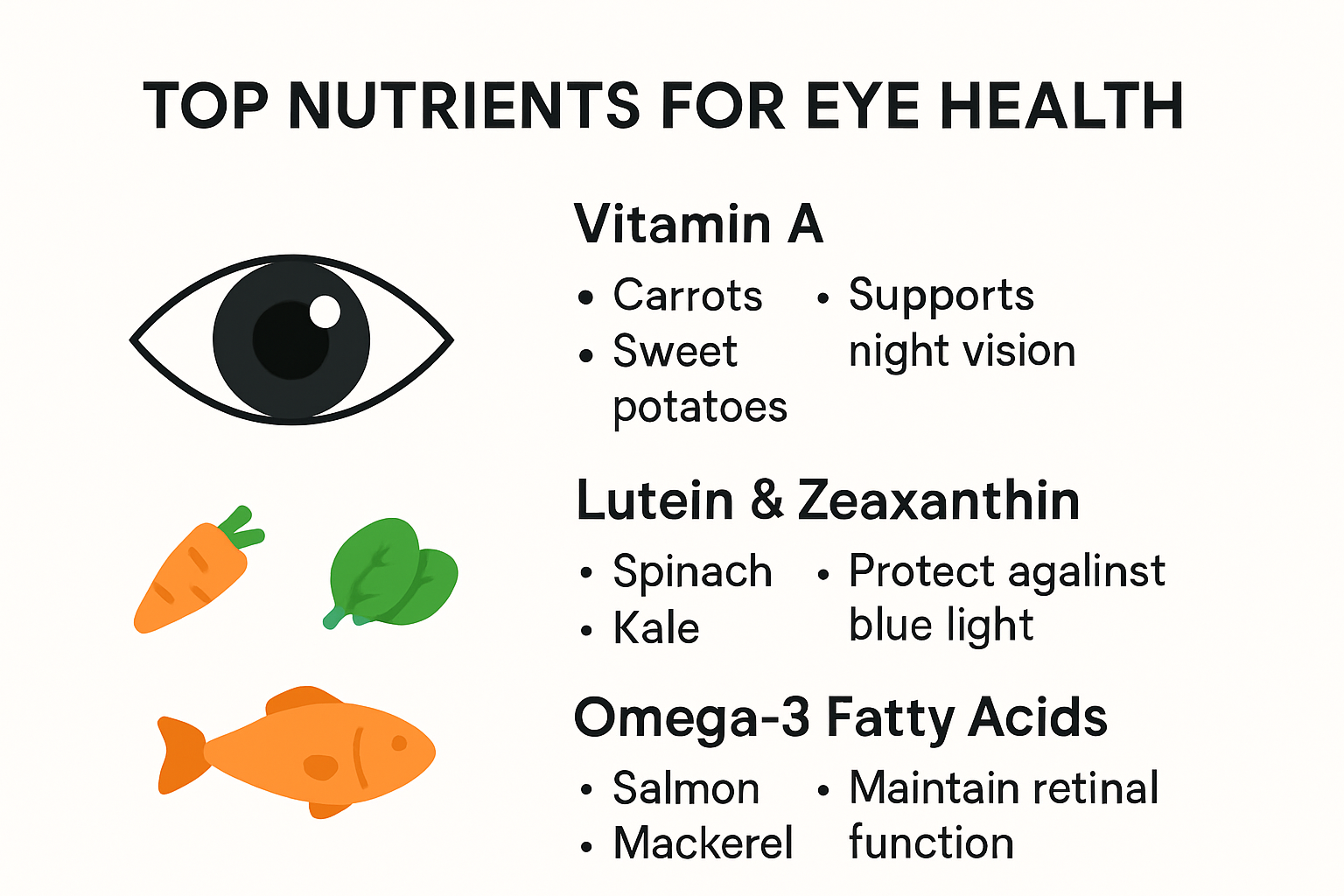
Your diet plays a crucial role in maintaining eye health. Nutritional research from Moorfields Eye Hospital highlights the importance of consuming nutrients that support vision. Incorporate foods rich in omega-3 fatty acids, such as salmon and mackerel, and dark leafy greens like spinach and kale. These foods contain essential vitamins and minerals that protect retinal health and may reduce the risk of age-related macular degeneration.
Hydration is equally important. Drinking adequate water helps maintain proper eye moisture and prevents dry eye syndrome. Aim for at least eight glasses of water daily and consider using lubricating eye drops if you experience persistent dryness.
Regular Eye Examinations and Protective Practices
Prevention remains the most effective strategy in eye care. Our comprehensive eye health guide recommends scheduling routine eye examinations every two years for adults and annually for children. These check-ups can detect early signs of potential issues like diabetes, high blood pressure, and emerging vision problems.
Protect your eyes from harmful ultraviolet rays by wearing sunglasses with proper UV protection, even on cloudy days. When engaging in sports or activities with potential eye hazards, use appropriate protective eyewear. Simple habits like washing hands before touching eyes, avoiding rubbing them excessively, and maintaining proper contact lens hygiene can prevent infections and maintain overall eye health.
By integrating these everyday habits into your routine, you can proactively safeguard your vision and enjoy long-term eye wellness. Remember, consistent small actions can make a significant difference in maintaining healthy eyes throughout your lifetime.
Eye Care Tips for Different Age Groups
Eye health is not a one-size-fits-all approach. Different life stages present unique challenges and requirements for maintaining optimal vision and eye wellness.
Childhood and Adolescent Eye Care
Children’s eye health demands proactive and consistent attention. Research from the National Health Service highlights that early detection of vision problems can prevent long-term developmental challenges. Parents should watch for subtle signs indicating potential vision issues, such as excessive squinting, sitting unusually close to screens, frequent eye rubbing, or difficulty reading.
Children’s eyes undergo rapid changes during growth. Regular eye examinations are crucial, with experts recommending initial screenings between six months and three years of age. Our comprehensive eye care guide suggests annual check-ups to monitor visual development, assess potential refractive errors, and ensure proper eye muscle coordination.
Limiting screen time and encouraging outdoor activities can support healthy eye development. Sunlight exposure and physical play help reduce the risk of myopia progression and support overall visual system maturation.
Adult Vision Management
Adult eye care transitions from developmental monitoring to preventative maintenance. Optometrists Association research indicates that adults aged 20-39 should have comprehensive eye examinations every two to four years. These check-ups become increasingly important for detecting early signs of systemic health conditions like diabetes and hypertension, which can manifest through ocular symptoms.
Professional adults spending significant time with digital devices must prioritize eye strain prevention. Implementing ergonomic workspace strategies, using blue light filtering glasses, and practicing regular eye relaxation techniques can mitigate potential long-term vision complications.
Senior Eye Health Considerations
Individuals over 60 face more complex eye health challenges. Sight Scotland research reveals that age-related eye conditions become significantly more prevalent during this life stage. Conditions like cataracts, glaucoma, and age-related macular degeneration require specialized attention and proactive management.
Seniors should focus on comprehensive eye care strategies. This includes more frequent eye examinations (typically annually), maintaining a nutrient-rich diet with omega-3 fatty acids and antioxidants, and using prescription eyewear designed for age-specific vision correction. Regular physical activity, proper hydration, and avoiding smoking can further support eye health during later life stages.
Understanding and adapting eye care practices throughout different life stages enables individuals to maintain optimal vision and detect potential issues early. Each age group presents unique challenges, and personalized, professional eye care remains the most effective approach to long-term visual wellness.
To help readers quickly identify recommended eye care routines for each age group, the following comparison table summarises key practices for children, adults, and seniors:
| Age Group | Eye Exam Frequency | Key Recommendations |
|---|---|---|
| Children | Annually | Limit screen time, encourage outdoor play, watch for signs of vision issues |
| Adults (20-39) | Every 2-4 years | Manage eye strain, regular check-ups, ergonomic workspace |
| Adults (40-59) | Every 2 years | Monitor for systemic conditions, blue light protection, healthy diet |
| Seniors (60+) | Annually | Manage age-related diseases, prescription eyewear, antioxidants, avoid smoking |
Protecting Your Eyes in Work and Leisure
Eye safety extends far beyond routine check-ups, requiring strategic protection in both professional and recreational environments. Understanding potential risks and implementing targeted protective measures can significantly reduce the likelihood of eye injuries and long-term vision complications.
Workplace Eye Protection Strategies
Research from the Health and Safety Executive highlights that workplace eye injuries remain a significant concern across multiple industries. Professionals in construction, manufacturing, healthcare, and laboratory settings face heightened risks of potential eye damage. Employers are legally obligated to provide appropriate personal protective equipment (PPE), including safety glasses, face shields, and specialised eye protection designed for specific work environments.
Digital professionals spending extended hours on computer screens must implement comprehensive eye protection strategies. The best eye care practices guide recommends using anti-glare screens, adjusting display brightness, and maintaining proper screen positioning. Ergonomic workspace design plays a crucial role in minimising eye strain, with optimal screen placement approximately arm’s length away and slightly below eye level.
Leisure and Sports Eye Safety
The Royal National Institute of Blind People emphasises the importance of eye protection during recreational activities. DIY enthusiasts should always wear safety goggles when performing tasks involving potential debris projection, such as woodworking, gardening, or home repairs. Sports participants, particularly in high-impact activities like racquet sports, cycling, and contact sports, require specialized protective eyewear to prevent potential eye injuries.
Outdoor leisure activities demand specific eye protection considerations. Public Health guidance recommends wearing sunglasses with CE mark certification to ensure adequate ultraviolet protection. Quality sunglasses should block both UVA and UVB rays, reducing the risk of long-term eye damage from prolonged sun exposure. Wraparound styles offer additional protection by minimising peripheral light entry.
Environmental and Lifestyle Eye Protection
Beyond structured work and leisure environments, daily lifestyle choices significantly impact eye health. Individuals working in dusty, chemical-rich, or high-glare environments should invest in professional-grade protective eyewear. Contact lens wearers must exercise additional caution, ensuring proper hygiene and using appropriate eye drops to maintain moisture and comfort.
Environmental factors like air quality, humidity, and allergen exposure can substantially affect eye health. Implementing air purification systems, using protective eyewear during high-pollution periods, and maintaining proper indoor humidity levels can help mitigate potential eye irritation and long-term damage.
Comprehensive eye protection requires a holistic approach, integrating professional guidelines, personal awareness, and proactive safety measures. By recognising potential risks and implementing targeted protective strategies, individuals can safeguard their vision across various work and leisure environments.
The following summary table provides an overview of recommended protective eyewear and practices for different environments based on the article’s advice:
| Environment | Recommended Protection | Key Practices |
|---|---|---|
| Workplace (industrial) | Safety glasses, face shields | Use PPE, follow safety protocols |
| Digital/Office Work | Anti-glare screens, blue light filters | Adjust screen position, take regular breaks |
| Sports & Outdoor Activities | Sports goggles, UV sunglasses | Use wraparound sunglasses, check UV rating |
| DIY/Home Activities | Safety goggles | Wear protective eyewear |
| High Pollution/Dusty Areas | Professional-grade eyewear | Maintain hygiene, use air purifiers |
| Contact Lens Wear | Moisturising eye drops, hygiene | Avoid dry eyes, wash hands before handling |
Making Eye Care Fun for the Family
Transforming eye care from a mundane health routine into an engaging family activity can significantly improve overall vision health and create lasting positive habits for children and adults alike.
Interactive Eye Health Education
Research from the Association of Optometrists demonstrates that family involvement is crucial in developing consistent eye care practices. Creating interactive learning experiences helps children understand the importance of eye health without feeling overwhelmed. Parents can introduce eye health concepts through educational games, storytelling, and age-appropriate discussions about how our eyes work.
Children are naturally curious, and turning eye care into a detective-like mission can spark their interest. Develop family challenges like identifying objects at different distances, playing vision-based board games, or creating visual scavenger hunts that subtly encourage eye muscle exercise and awareness. Our comprehensive children’s glasses guide offers additional strategies for making eye care engaging and fun for younger family members.
Family Screen Time and Eye Exercise Routines
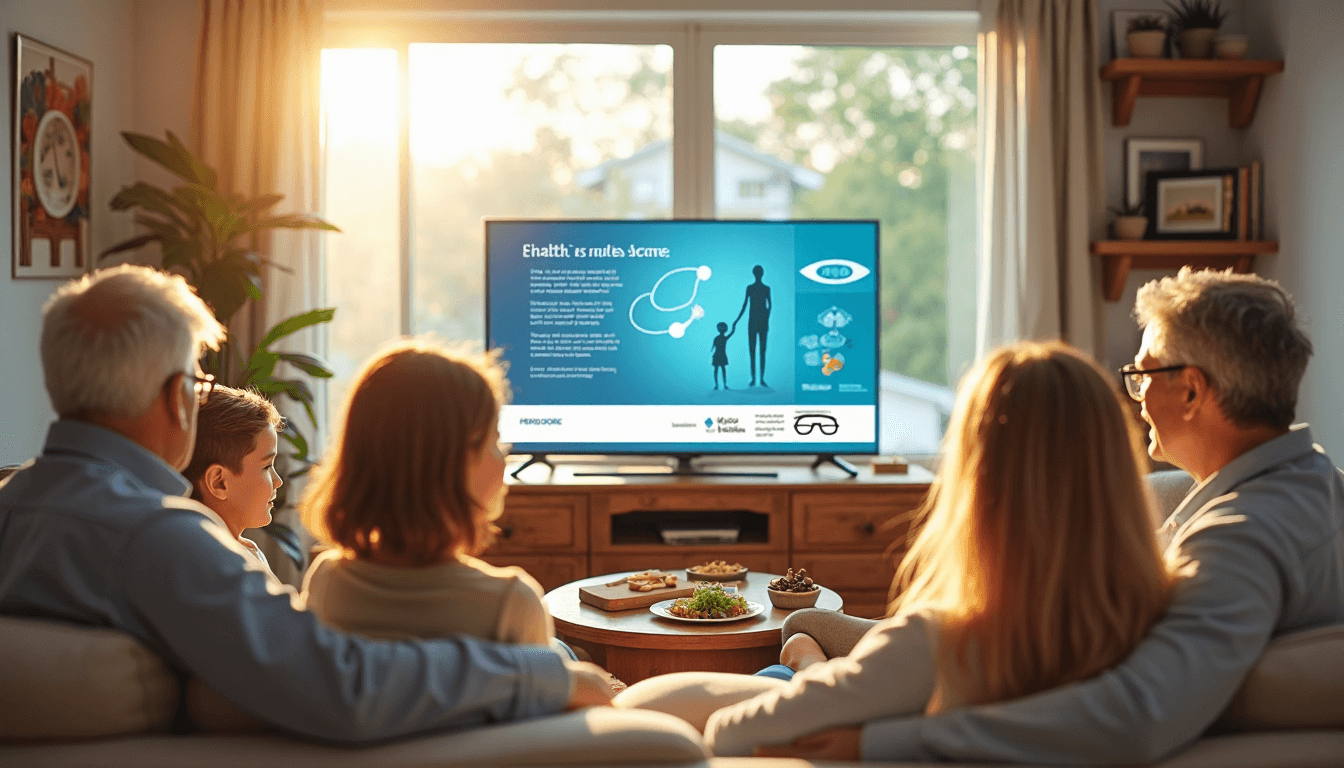
Public Health Agency guidance recommends implementing the 20-20-20 rule as a family activity. Every 20 minutes during screen time, encourage all family members to look 20 feet away for 20 seconds. Transform this into a playful ritual by creating a family timer, using a fun alarm sound, or turning it into a game where everyone stops and finds something interesting to observe.
Design family eye exercise sessions that feel more like playtime than medical routine. Create eye yoga movements, develop eye muscle strengthening games, and make tracking exercises competitive and enjoyable. Younger children can pretend to be pirates following a moving treasure, while older family members can challenge each other’s visual tracking skills.
Holistic Family Eye Health Approach
Moorfields Eye Charity emphasises the importance of comprehensive eye protection for all family members. Make selecting protective eyewear a collaborative and exciting experience. When choosing sunglasses, involve children in the selection process, allowing them to pick designs that reflect their personality while ensuring proper UV protection.
Encourage a holistic approach to eye health by connecting it with overall wellness. Create family nutrition challenges that include eye-healthy foods like colourful vegetables, fish rich in omega-3, and fruits packed with vitamins. Design meal preparation activities that educate children about nutrients supporting eye health, making dietary choices an interactive and educational experience.
By reimagining eye care as a collective, enjoyable family journey, parents can instil lifelong healthy habits. The key is maintaining a balance between education, protection, and enjoyment, ensuring that eye health becomes a natural, anticipated part of family life rather than a dreaded medical chore. Remember, when eye care becomes fun, children and adults are more likely to maintain consistent, proactive approaches to vision wellness.
Frequently Asked Questions
What is the 20-20-20 rule for eye strain?
To alleviate digital eye strain, follow the 20-20-20 rule: every 20 minutes, take a break and look at something 20 feet away for 20 seconds. This helps relax your eye muscles and reduces fatigue.
How often should I have my eyes checked?
Adults should have comprehensive eye examinations every two years, while children should be checked annually to catch any potential vision issues early.
What nutrients are essential for eye health?
Important nutrients for eye health include omega-3 fatty acids found in fish, antioxidants from colourful fruits and vegetables, and vitamins like A, C, and E. Staying hydrated is also crucial for maintaining eye moisture.
How can I protect my eyes during outdoor activities?
Wear sunglasses with UV protection to shield your eyes from harmful rays when outdoors. Choose wraparound styles for added peripheral protection and ensure they have a CE mark for quality assurance.
Take Control of Your Family’s Eye Health Today
Screen fatigue, digital strain and concerns about your child’s eye development are no longer just passing worries. With more of us spending hours in front of screens and relying on quick fixes for vision problems, the advice in our article on healthy lifestyle and eye care tips is now more important than ever. At Northern Optical Company, we understand these modern challenges and see every day how simple changes, like routine eye checks and tailored eyewear, help families of all ages maintain lifelong healthy vision.
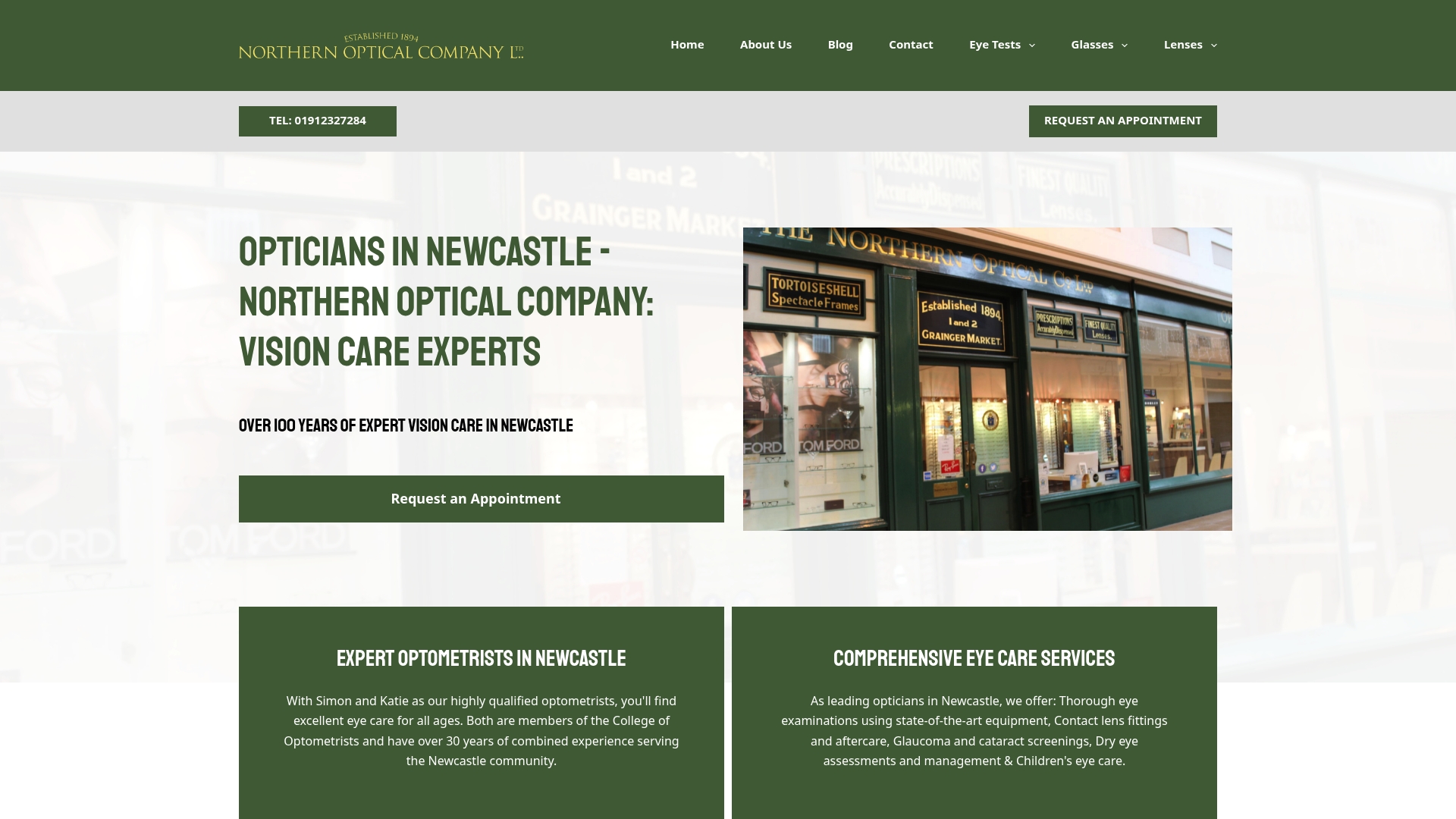
Ready to move from general advice to individual solutions? If you are seeking expert guidance on screen-related eye fatigue, children’s vision or the best protective eyewear for your lifestyle, let us help. Visit Northern Optical Company to discover how our thorough eye tests, enhanced diagnostic technology and welcoming local team make professional eye care easy and personal. Secure an appointment for yourself or your loved ones now and experience the reassurance of independent, community-based care. Make your next step towards stronger, clearer vision today at https://northernopticalcompany.com.
Recommended
- Best Eye Care Practices for Every Lifestyle in 2025
- Eye Health and Nutrition: Vital Tips for Every Lifestyle in 2025
- Why Your Eye Health Matters: Essential Care Tips in 2025
- Why Eye Tests Matter: Crucial Eye Care for Every Age in 2025
- Best Eye Exercises for Drivers: Essential Tips for 2025
- Children’s Eye Health: Key Tips for All Ages in 2025