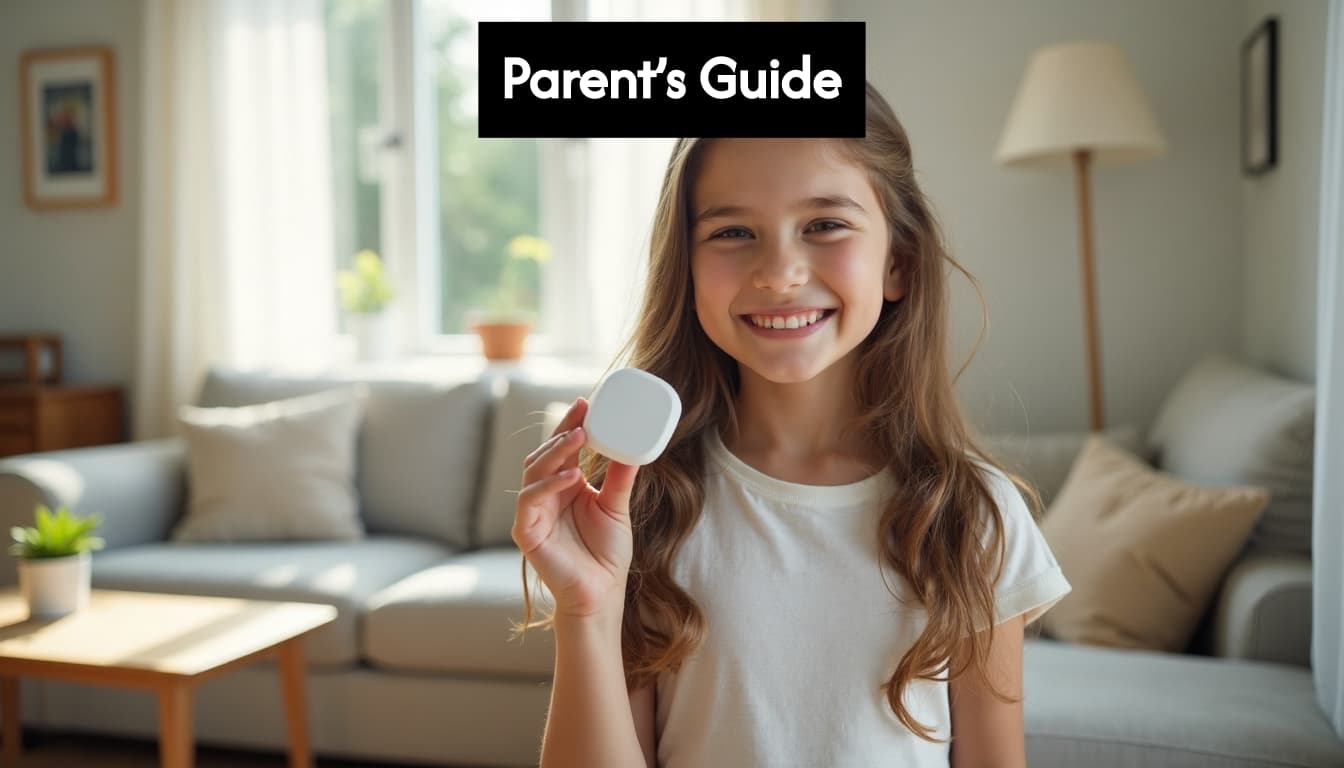
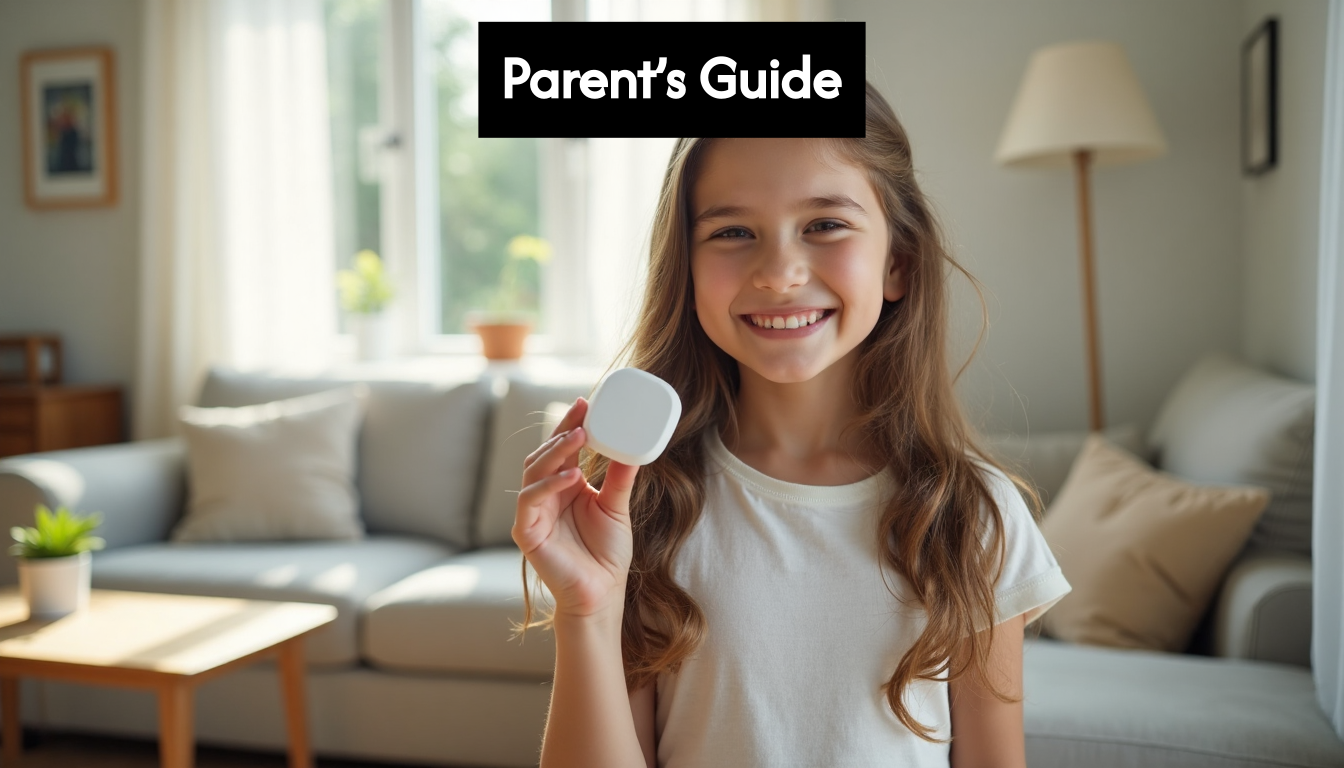
Contact lenses for children are gaining traction faster than you might expect. Over 97 percent of eight to twelve-year-olds report positive experiences with contacts. Yet, many parents still believe age is the main barrier to trying them. The real decider is not age but a child’s maturity and responsibility, which might surprise you.
Table of Contents
- Understanding If Children Are Ready For Contact Lenses
- Safety Tips And Daily Care For Young Lens Wearers
- Key Benefits For Active And Fashion-Forward Children
- Choosing The Right Lenses For Every Lifestyle In 2025
Quick Summary
| Takeaway | Explanation |
|---|---|
| Assess Readiness Beyond Age | Evaluate a child’s maturity, responsibility, and ability to follow care instructions before introducing contact lenses. Consider factors like personal hygiene habits and genuine interest in wearing lenses. |
| Establish a Hygiene Routine | Ensure children follow strict handwashing protocols and lens handling techniques to reduce the risk of complications. Create a consistent daily routine for lens care. |
| Monitor and Communicate Regularly | Engage in regular check-ups with optometrists and maintain open dialogue with children about any discomfort or vision changes to ensure proper lens fit and health. |
| Choose Appropriate Lenses for Lifestyle | Select contact lenses based on a child’s unique lifestyle, including daily activities and eye health needs, with an emphasis on daily disposables for convenience and hygiene. |
| Emphasise Psychological Benefits | Highlight the confidence and social advantages of wearing contact lenses, such as improved self-esteem and a more natural appearance, to support children’s decisions. |
Understanding If Children Are Ready for Contact Lenses
Determining whether a child is prepared for contact lenses requires careful consideration of multiple factors beyond simple age. Parents must evaluate their child’s emotional maturity, personal responsibility, and ability to follow complex care instructions.
Maturity and Responsibility Assessment
Contact lens wear demands a significant level of personal hygiene and commitment. Our guide on contact lens basics offers insights into the fundamental requirements. According to the College of Optometrists, there is no strict minimum age limit for contact lens wear. Instead, readiness depends on individual characteristics.
Key indicators of readiness include:
- Personal Hygiene Habits: Can the child consistently wash hands thoroughly?
- Responsibility Level: Does the child complete chores and homework without constant reminders?
- Motivation: Is the child genuinely interested in wearing contact lenses, or feeling pressured?
Parents should observe their child’s daily routines and assess whether they demonstrate the discipline required for proper lens care. The NHS advises that children over 8 years old may be suitable candidates, provided they can manage basic self-care tasks independently.
Physical and Emotional Readiness
Beyond practical skills, physical comfort and emotional preparedness play crucial roles. Some children might experience initial discomfort or anxiety when first attempting to insert and remove lenses. Alderhey NHS guidance emphasizes the importance of parental supervision during the initial adaptation period.
Critical considerations include:
- Eye health and any existing vision conditions
- Comfort with touching eyes and handling small objects
- Ability to follow multi-step instructions consistently
- Emotional resilience to potential initial challenges

Professional optometrists can conduct comprehensive assessments to determine a child’s readiness. These evaluations typically involve practical demonstrations, hands-on training, and monitoring of the child’s ability to handle lenses safely.
Ultimately, successful contact lens wear for children requires a collaborative approach. Parents must remain actively involved, providing guidance, monitoring lens care, and maintaining open communication about any difficulties or discomfort their child experiences. The journey to contact lens independence is gradual and unique to each child’s individual development and capabilities.
Safety Tips and Daily Care for Young Lens Wearers
Ensuring the safety and proper maintenance of contact lenses requires a comprehensive approach that involves both parental guidance and child education. Young lens wearers need clear instructions and consistent monitoring to prevent potential eye health complications.
Establishing a Robust Hygiene Routine
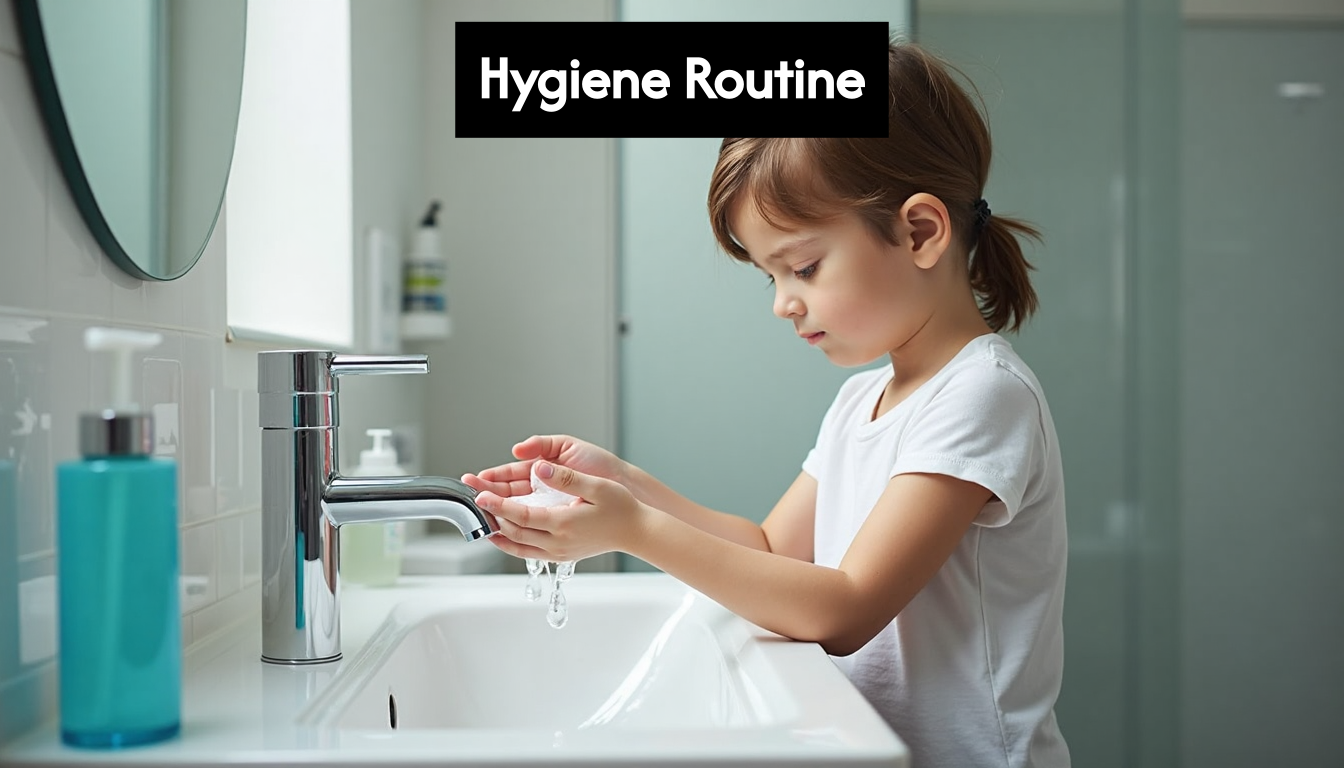
Our guide on safe contact lens practices highlights the critical importance of rigorous hygiene. According to Contact Lens Update, the risk of complications can be significantly reduced through proper care. Parents should teach children a strict handwashing protocol before touching contact lenses, emphasizing thorough soap application and complete hand drying.
Key hygiene steps include:
- Handwashing: Use antibacterial soap and warm water for at least 20 seconds
- Lens Handling: Always handle lenses with clean, dry hands
- Cleaning: Follow the optician’s specific cleaning instructions precisely
The Cambridge University Hospitals NHS guidance recommends creating a consistent daily routine that becomes second nature to the child. This might involve setting specific times for lens insertion and removal, and using a dedicated clean surface with good lighting.
Understanding Lens Wear Limitations
Children must comprehend the critical restrictions surrounding contact lens use. Research indicates that certain activities pose significant risks and should be strictly avoided. Lenses should never be worn while sleeping, swimming, showering, or when the child is unwell. These guidelines are not suggestions but essential safety protocols.
Critical wear restrictions include:
- Never wear lenses during sleep
- Avoid swimming or showering with lenses
- Remove lenses immediately if experiencing eye discomfort
- Do not wear lenses when ill or with eye infections
Parents should establish clear consequences for not following these rules, making it understood that lens privileges can be temporarily suspended if safety guidelines are not strictly adhered to.
Regular Monitoring and Professional Check-ups
Professional oversight remains crucial in maintaining young lens wearers’ eye health. Regular check-ups with an optometrist allow for comprehensive assessments of eye condition, lens fit, and potential emerging issues. Parents should schedule routine examinations and encourage open communication about any lens-related discomfort or changes in vision.
Parental involvement is key. This means:
- Conducting weekly visual inspections of the child’s eyes
- Discussing any lens-related experiences or concerns
- Ensuring timely replacement of lenses according to prescription
- Maintaining open dialogue about lens care and potential challenges
Successful contact lens wear for children depends on a collaborative approach between the child, parents, and eye care professionals. By establishing clear guidelines, maintaining rigorous hygiene, and providing consistent support, parents can help their children develop responsible lens-wearing habits that protect their eye health and vision.
Key Benefits for Active and Fashion-Forward Children
Contact lenses offer transformative advantages for children who lead active lifestyles or seek greater personal style flexibility. Unlike traditional glasses, modern contact lenses provide a range of benefits that cater to the dynamic needs of young wearers.
Performance and Active Lifestyle Advantages
Learn more about children’s vision solutions for active children. According to the British Contact Lens Association, young wearers demonstrate extraordinarily high satisfaction rates, with 97% of eight to twelve-year-olds reporting positive experiences. Children involved in sports and physical activities particularly benefit from contact lenses, which eliminate common eyewear challenges.
Key performance benefits include:
- Unobstructed Visual Field: No frame limitations or peripheral vision restrictions
- Stability During Movement: Lenses move naturally with eye motion
- Weather Resistance: No fogging, rain interference, or lens slippage
- Comprehensive Vision Correction: Clear sight across all activities
The College of Optometrists highlights that contact lenses provide more natural vision and improved peripheral awareness, critical for children engaged in sports, dance, martial arts, and other dynamic pursuits.
Fashion and Personal Expression
Beyond functional advantages, contact lenses offer children unprecedented opportunities for personal style and self-expression. Modern lens technologies allow young wearers to experiment with subtle aesthetic choices that traditional glasses cannot provide.
Fashion-related benefits encompass:
- Natural Appearance: Unobstructed facial features
- Makeup and Styling Flexibility: No frame interference
- Confidence Boost: Feeling more comfortable in social settings
- Versatile Look: Easy transition between different styles
Interestingly, the NHS optical voucher system supports children under 16 in accessing contact lenses, making these vision solutions more accessible for families seeking both functional and fashionable options.
Psychological and Social Benefits
The impact of contact lenses extends beyond physical performance and appearance. Many children report increased self-confidence and reduced social anxiety when wearing contacts. The ability to look and feel like their peers without visible vision correction can be profoundly empowering.
Psychological advantages include:
- Enhanced self-esteem
- Reduced self-consciousness
- Greater social integration
- Improved body image
Parents and eye care professionals should collaborate to help children understand these multifaceted benefits. By presenting contact lenses as a comprehensive solution that addresses vision, performance, and personal expression, children can make informed decisions about their eyewear choices.
Ultimately, contact lenses represent more than a vision correction tool—they are a pathway to enhanced confidence, improved physical performance, and personal style for active, fashion-forward children.
Choosing the Right Lenses for Every Lifestyle in 2025
Selecting the ideal contact lenses for children requires a nuanced approach that considers individual lifestyle, physical activity levels, and unique vision correction needs. Parents and eye care professionals must collaborate to identify the most suitable lens type that balances comfort, performance, and eye health.
Lifestyle-Specific Lens Considerations
Explore our comprehensive lens selection guide to understand the range of options available. According to the College of Optometrists, lens selection should be tailored to the child’s specific lifestyle and daily activities.
Key lifestyle factors to consider include:
- Sports and Physical Activities: Require stable, moisture-retaining lenses
- Academic Environment: Needs consistent vision correction throughout school hours
- Digital Screen Exposure: Lenses with blue light filtering capabilities
- Environmental Conditions: Resistance to dust, wind, and varying temperatures
The British Contact Lens Association recommends that lens type and replacement schedule should directly reflect the child’s age, maturity, and daily routine.
Lens Types and Their Unique Benefits
Modern contact lens technology offers multiple options to suit different needs. Cambridge University Hospitals NHS guidance emphasizes the importance of selecting lenses that provide both optimal vision correction and comfort.
Primary lens types include:
- Daily Disposable Lenses: Ideal for active children, minimal maintenance
- Fortnightly Replacement Lenses: Cost-effective for consistent wearers
- Monthly Replacement Lenses: Suitable for responsible older children
- Specialised Multifocal Lenses: For children with complex vision requirements
Daily disposable lenses are particularly recommended for children, as they reduce infection risks and eliminate the need for complex cleaning routines. These lenses are hygienic, convenient, and provide fresh lens experience every day.
Professional Guidance and Regular Assessments
Choosing contact lenses is not a one-time decision but an ongoing process of evaluation and adjustment. Professional optometrists play a crucial role in monitoring a child’s eye health, lens fit, and vision changes.
Critical assessment factors include:
- Annual comprehensive eye examinations
- Periodic lens fit evaluations
- Monitoring for potential eye health changes
- Adjusting lens type as the child grows
Parents should view lens selection as a dynamic process. What works perfectly at age 10 might require modification by age 14. Regular communication with eye care professionals ensures that the child’s vision correction remains optimal, comfortable, and aligned with their evolving lifestyle and visual needs.
Ultimately, the right contact lenses are those that provide clear vision, comfort, and seamless integration into a child’s daily activities while maintaining the highest standards of eye health and safety.
Frequently Asked Questions
What age can children start wearing contact lenses?
Children can start wearing contact lenses as early as eight years old, provided they demonstrate the necessary maturity and responsibility in managing hygiene and care.
How can I assess if my child is ready for contact lenses?
To assess readiness, evaluate your child’s personal hygiene habits, responsibility level, and motivation to wear lenses. It’s essential to consider their ability to follow care instructions and handle lenses safely.
What types of contact lenses are best for children in 2025?
Daily disposable lenses are often recommended for children, as they are hygienic, require minimal maintenance, and reduce the risk of infections. Specific lens types can also be chosen based on a child’s lifestyle and activities.
What are the safety tips for children wearing contact lenses?
Key safety tips include ensuring strict hand hygiene before touching lenses, avoiding wearing them while sleeping or in water, and scheduling regular check-ups with an optometrist to monitor eye health.
Ready to Help Your Child Explore Contact Lenses With Confidence?
It is natural to feel uncertain when deciding if your child is truly ready for contact lenses. As highlighted in our guide, navigating the balance of maturity, hygiene and responsibility can be a real challenge for families. Parents often worry about daily care, safety routines and ensuring their child receives the right clinical advice. Yet, making the switch to contact lenses could open up a world of freedom, comfort and confidence for your child – especially if they lead an active life or want to express their style without limits.
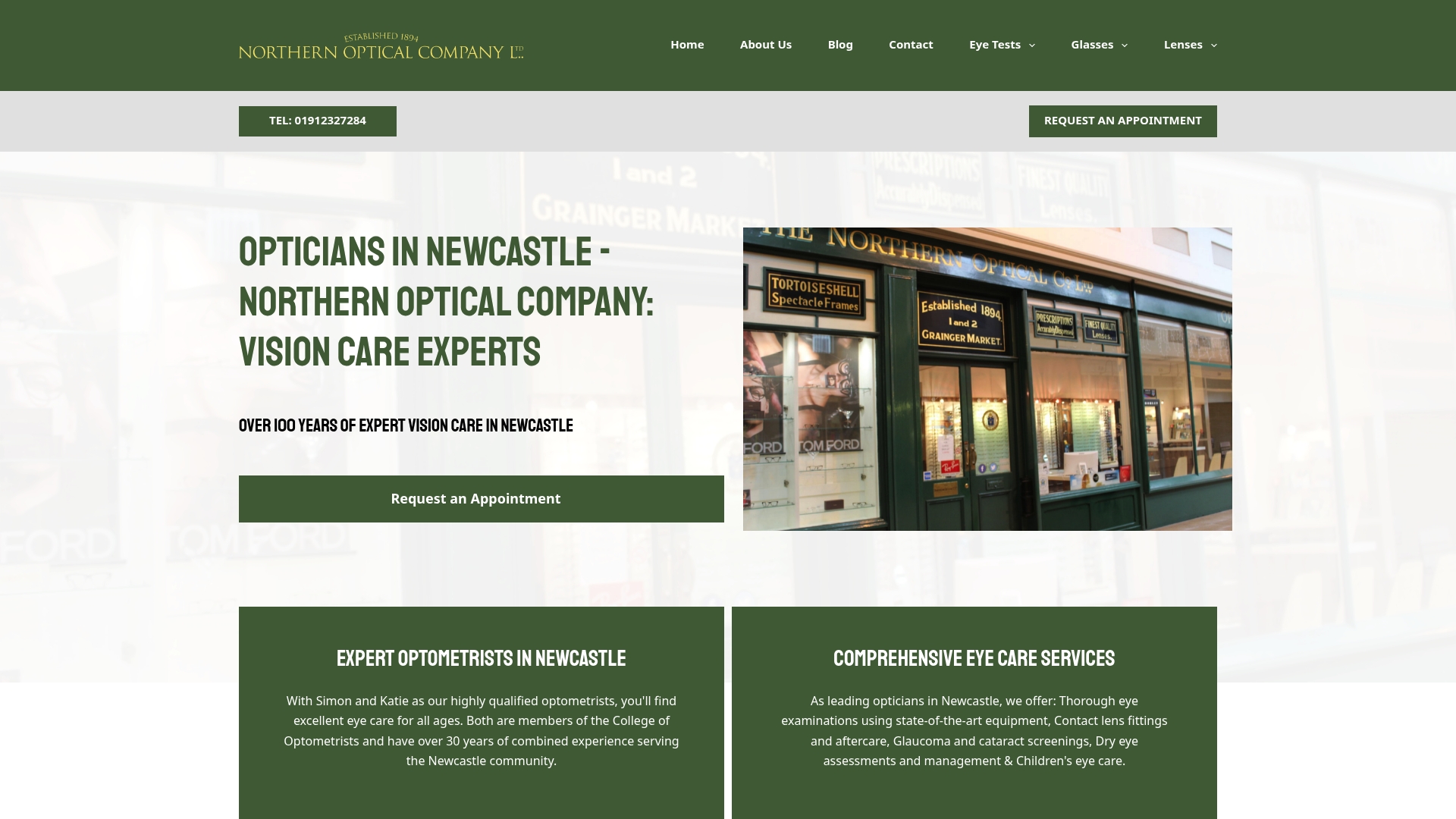
Give your child the best start with support from local experts who truly understand young patients. Book a friendly consultation at Northern Optical Company and let our independent, family-run team offer tailored advice based on your child’s unique needs. See how our approach to eye care helps ease concerns, encourages healthy habits and ensures complete peace of mind. Reserve your appointment today – help your child enjoy clarity and confidence with contact lenses now.
Recommended Articles
- The Ultimate Children’s Glasses Guide 2025: Easy Tips for All
- Choosing Kids’ Glasses: Tips for Eyewear 2025
- Top Tips for Safe Contact Lens Use in 2025: A Guide for Every Lifestyle
- Contact lenses and eye health: Keeping eyes safe | 2025
- How to Choose Contact Lenses: A 2025 Guide for Every Lifestyle
- Contact Lenses Basics Guide 2025 – Simple Explanation